Kenya turns to private capital to expand water and sanitation
Kenya is seeking new sources of investment to bridge a KSh652 billion financing gap in the water and sanitation sector, with blended finance emerging as one of the approaches that could help accelerate infrastructure development and expand services to underserved communities.
The country requires approximately KSh995 billion between 2023 and 2030 to meet its water and sanitation investment targets, according to the National Water and Sanitation Investment and Financing Plan (NAWASIP). The shortfall highlights the challenge facing the government as it seeks to expand water supply, improve sanitation and strengthen infrastructure amid growing demand.
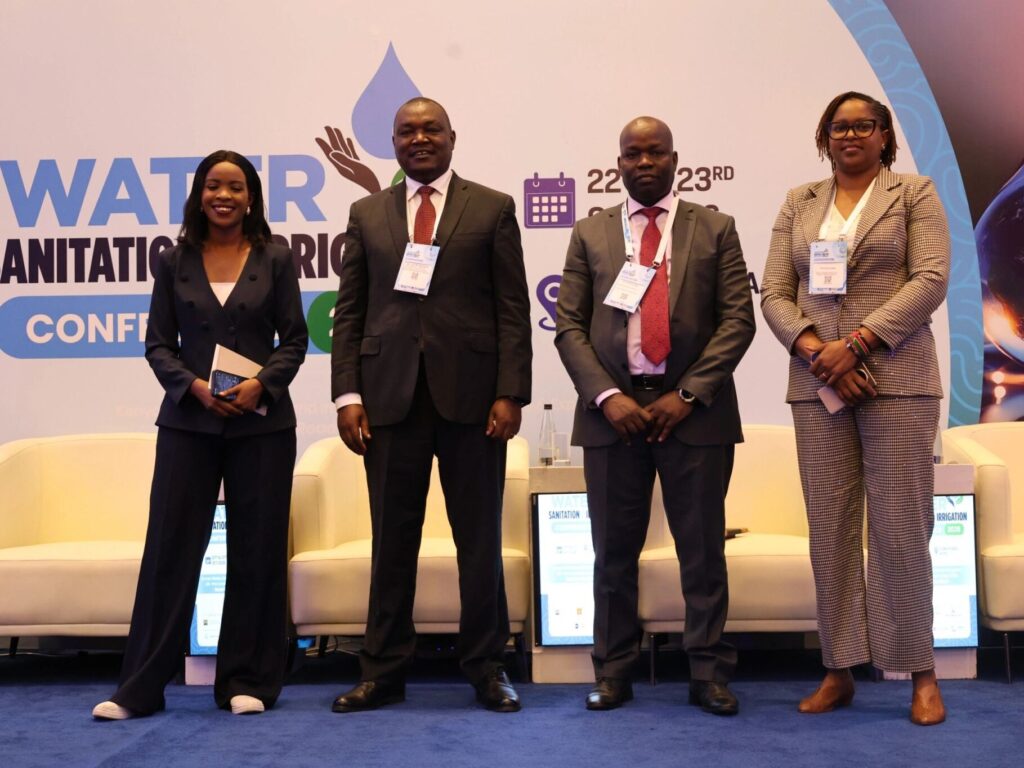
The Water Sector Trust Fund (WaterFund) is among the institutions promoting alternative financing models to mobilise resources beyond conventional government allocations and development assistance.
Blended finance combines different funding sources, including public resources, development partner support and private investment, to make projects financially viable and attract additional capital. The approach can help reduce investment risks and support projects that might struggle to secure commercial financing on their own.
For Kenya’s water sector, the model could provide funding for treatment plants, distribution pipelines, storage facilities and sanitation systems needed to improve service delivery in rural and urban areas.
WaterFund’s financing programmes target communities that have historically struggled to attract sufficient investment, including low-income urban settlements and rural areas where water projects may not be commercially attractive to conventional service providers.
The institution provides grants to counties and supports the development and management of water and sanitation services in marginalised and underserved areas.
Its commercial financing programme also uses loans from Kenyan commercial banks to support water and sanitation projects in low-income urban areas, with subsidies provided when agreed results are achieved.
This results-based approach links financial support to project outcomes, creating incentives for service providers to deliver the intended improvements while attracting commercial funding.
WaterFund has also identified public-private partnerships, climate finance and other alternative funding mechanisms as potential sources of additional investment for the sector.
However, attracting private capital will require water utilities to demonstrate stronger financial performance and effective management of their infrastructure.
Poor revenue collection, high levels of non-revenue water and inadequate operational systems can weaken utilities’ ability to repay loans and discourage lenders from financing expansion projects.
Improving billing systems, reducing water losses and strengthening accountability could therefore help service providers become more attractive to commercial financiers.
The financing challenge also raises questions about how Kenya can expand investment while keeping water and sanitation services affordable for low-income households.
Although private capital can accelerate infrastructure development, projects must generate sufficient returns without placing an excessive financial burden on consumers. Public subsidies and concessional funding can help bridge this gap, particularly in communities where household incomes are low and commercial returns are limited.
WaterFund’s rural investment programme supports water and sanitation projects through partnerships involving county governments, water service providers and other implementing organisations. Its interventions also include technical assistance and oversight to strengthen project implementation.
According to the fund’s published programme information, its rural water and sanitation investments have initiated projects valued at KSh3.74 billion, reaching approximately 1.48 million people through 386 projects.
These investments illustrate how targeted financing can support communities that might otherwise remain outside the priorities of conventional commercial lenders.
Nevertheless, the scale of the national funding shortfall means that existing programmes will need to be complemented by additional investment and more efficient use of available resources.
Closing the KSh652 billion gap will require coordinated action by the government, counties, financial institutions, development partners and private investors.
The ultimate measure of success will be whether the financing models translate into completed infrastructure, reliable water supplies and improved sanitation for communities that continue to face service shortages.