Nairobi sewerage project nears completion at 98 per cent
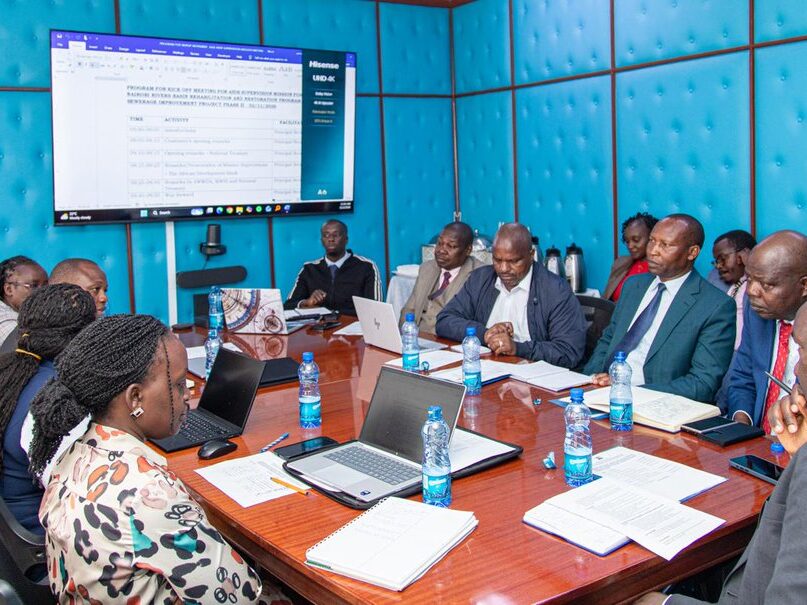
The Nairobi River Basin Rehabilitation and Restoration Programme: Sewerage Improvement Project Phase II (NARSIP II) has reached 98 per cent completion, bringing Nairobi closer to expanding sewerage services and reducing pollution entering the Nairobi River.
The progress was highlighted during the kick-off meeting for a supervision mission reviewing the implementation of the project, which is being undertaken through the Athi Water Works Development Agency (AWWDA).
NARSIP II is designed to increase sewerage coverage in Nairobi City from 48 per cent to 60 per cent, with more than 400,000 residents expected to benefit from improved sanitation services.
The project also seeks to strengthen pollution control by collecting and treating approximately 80,000 cubic metres of wastewater daily. This is expected to reduce the volume of untreated wastewater entering the Nairobi River and improve environmental conditions within the river basin.
During the supervision meeting, participants reviewed implementation progress and the status of key infrastructure works, with overall completion reported at 98 per cent.
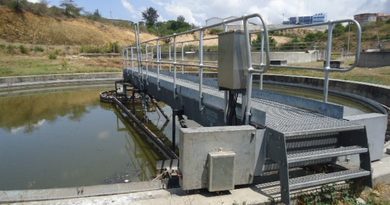
The rehabilitation and duplication of the Dandora Estate Wastewater Treatment Plant (DEWWTP) inlet works has also reached 98 per cent completion. The intervention is intended to improve the infrastructure through which wastewater enters the treatment facility, supporting the handling and treatment of sewage generated across the city.
Other components have already been completed, including the construction of reticulation sewers serving Kahawa West, Githurai 44 and Githurai 45, as well as Kahawa Sukari. These networks are important in extending sewer connections to neighbourhoods and enabling more households to benefit from centralised wastewater management.
Water and sewerage interventions in informal settlements have also been completed under the programme, addressing sanitation infrastructure needs in densely populated areas where access to reliable services remains a major concern.
Beyond expanding sewer connections, NARSIP II aims to improve the financial sustainability of sewerage operations through increased revenue collection. Improved revenue performance is important for supporting the operation and maintenance of wastewater infrastructure and ensuring that treatment facilities and sewer networks continue functioning effectively.
The project’s targets reflect the wider challenge facing Nairobi, where expanding urban settlements and population growth continue to increase demand for sanitation infrastructure. Increasing sewerage coverage is particularly important in reducing the discharge of untreated wastewater into rivers, drainage channels and other parts of the urban environment.
The Nairobi River remains a major focus of restoration efforts, with improved wastewater collection and treatment forming an important part of efforts to address pollution across the basin.
With implementation now at 98 per cent, attention is turning towards completing the remaining works and ensuring that the infrastructure delivers the intended benefits to residents and the environment.
The project’s success will ultimately depend not only on completing construction but also on maintaining the sewer networks, operating treatment facilities efficiently and ensuring that more households are connected to the expanded system.