WRA allocates KSh84 million to protect coastal water catchments
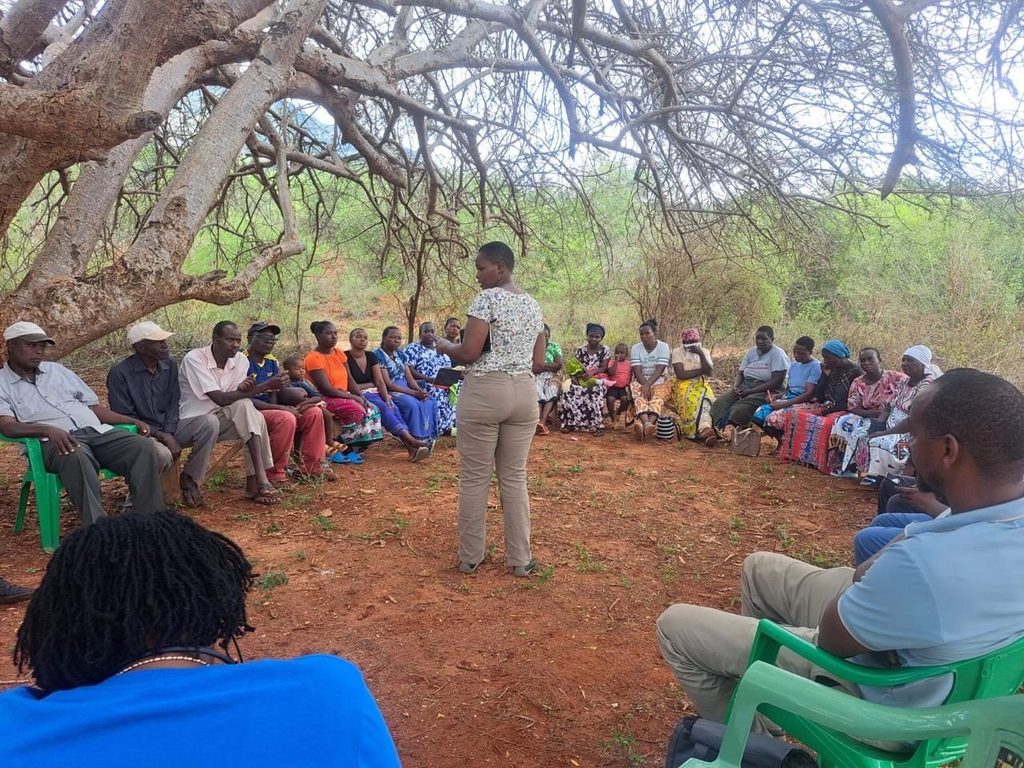
The Water Resources Authority (WRA) has allocated KSh84 million to community water associations in Kwale and Taita Taveta counties to support conservation activities aimed at protecting water sources and reducing land degradation in the coastal region.
The funding, channelled through the Mwache Watershed Project, will benefit 14 Water Resource Users Associations (WRUAs) operating within the Coastal Athi Sub-Basin. Each association is expected to receive KSh6 million to implement sustainable land and water management interventions in their respective areas.
The investment targets the restoration of degraded landscapes, reduction of soil erosion and improvement of water retention, particularly in areas where land degradation threatens the availability and sustainability of water resources.
Among the planned interventions are terracing and the construction of half-moon structures, which are designed to slow down surface runoff, retain rainwater and reduce the amount of soil washed away during heavy rainfall.
These conservation measures are expected to improve the ability of the watershed to retain water, support groundwater recharge and reduce sediment entering rivers and other water bodies.
The beneficiary associations are Kifumbu, Kirongwe, Buguta, Maungu, Birikani, Barani, Magombe Shariani, Ndokoko Lukakani, Shirango Kafuloni, Manjewa, Mwaruphesa Dambale, Mwang’ombe, Gombo Bomani and Nzovuni Gandini.
The funding places local communities at the centre of watershed protection by providing organised water users with resources to undertake conservation activities that directly affect the condition of their surrounding catchments.
The latest allocation builds on previous conservation funding directed towards community organisations in the Mwache catchment, where environmental degradation has emerged as a major concern for the long-term sustainability of water infrastructure.
In April 2026, WRA announced a separate disbursement of KSh49.9 million to WRUAs in Kwale, Kilifi and Taita Taveta counties under the broader watershed conservation programme. The funding was intended to strengthen community participation in catchment protection and support activities aimed at reducing soil erosion and sedimentation.
The authority has also been working with local associations to develop Sub-Catchment Management Plans, which guide conservation activities and promote responsible use of land and water resources.
During an earlier funding announcement, WRA reported that 24 WRUAs had been mobilised under the Mwache programme, with 2,360 hectares of land rehabilitated through community-led conservation activities.
The interventions included construction of 54 kilometres of terraces, marking and pegging 91 kilometres of riparian land and building more than 1,200 metres of gabions to control erosion.
Communities have also established six acres of vetiver grass multiplication sites and planted approximately 27,000 indigenous and fruit trees as part of efforts to restore vegetation cover and protect water sources.
Other activities have included poultry keeping, goat rearing, beekeeping and cultivation of aloe vera and green grams, providing alternative livelihood opportunities while encouraging communities to participate in environmental conservation.
The wider conservation programme is linked to the Mwache Multi-Purpose Dam project in Kwale County, a major water infrastructure investment expected to improve water supply in Mombasa and parts of Kwale.
The dam, located along the Mwache River in Fulugani, Kinango Sub-County, is designed to have a reservoir capacity of approximately 136 million cubic metres and support a water treatment plant with a production capacity of 186,000 cubic metres daily.
The infrastructure is expected to strengthen water supply for households and businesses while supporting agricultural development through irrigation in the surrounding areas.
However, maintaining the dam’s long-term capacity will depend partly on the condition of the surrounding watershed. Soil erosion, deforestation and uncontrolled land use can increase the amount of sediment carried into rivers and reservoirs, gradually reducing water storage capacity and increasing the cost of water treatment.
This makes catchment conservation an important part of the wider investment, rather than treating dam construction and water distribution as the only requirements for improving water security.
The project’s watershed management component therefore focuses on addressing environmental challenges before they affect water storage and supply. The approach combines restoration of degraded land, improved agricultural practices, tree planting, water harvesting and community participation in natural resource management.
The Mwache catchment covers approximately one million acres and has experienced environmental pressure associated with deforestation, charcoal production, unsustainable farming and other land-use activities.
The degradation has increased the vulnerability of the catchment to climate change, making restoration necessary to protect the natural resources that support local livelihoods.
The project also incorporates sediment management infrastructure, including upper and lower check dams, designed to trap sediment before it reaches the main reservoir.
The Mwache project is part of wider investments in coastal water security and climate adaptation. Its components include the multipurpose dam, water treatment facilities, transmission pipelines and improvements to water distribution systems in Mombasa.
The project is also expected to support irrigation development in Kwale County, creating opportunities for agricultural production and improving access to water for communities surrounding the dam.
For WRA, the latest KSh84 million allocation represents an expansion of efforts to involve communities in protecting water resources through practical conservation activities.
WRUAs play an important role in local water resource management by bringing together water users to participate in catchment protection, monitor water resources and promote sustainable utilisation.
Their involvement is particularly important in areas where farming activities, vegetation loss and soil erosion can affect rivers and other water sources relied upon by downstream communities.
Through the latest funding, the 14 associations are expected to translate conservation plans into physical interventions on the ground, helping reduce land degradation while improving the resilience of agricultural landscapes to changing weather conditions.
The investment also highlights the growing recognition that securing reliable water supplies requires more than developing dams, treatment plants and pipelines. Protecting the ecosystems that collect, store and regulate water is equally important in ensuring that infrastructure investments deliver long-term benefits.
As the Mwache project advances, the success of its watershed conservation component will depend on the ability of local associations to implement the planned interventions, maintain restored landscapes and sustain community participation in catchment management.
The KSh84 million allocation is expected to strengthen the link between community-led environmental protection and the wider objective of improving water security across Kenya’s coastal region.