Innovative financing seen as key to expanding climate-resilient sanitation
Water and sanitation investments are gaining attention as potential drivers of economic growth, climate resilience and sustainable development, with calls for innovative financing models and stronger partnerships to help expand access to essential services.
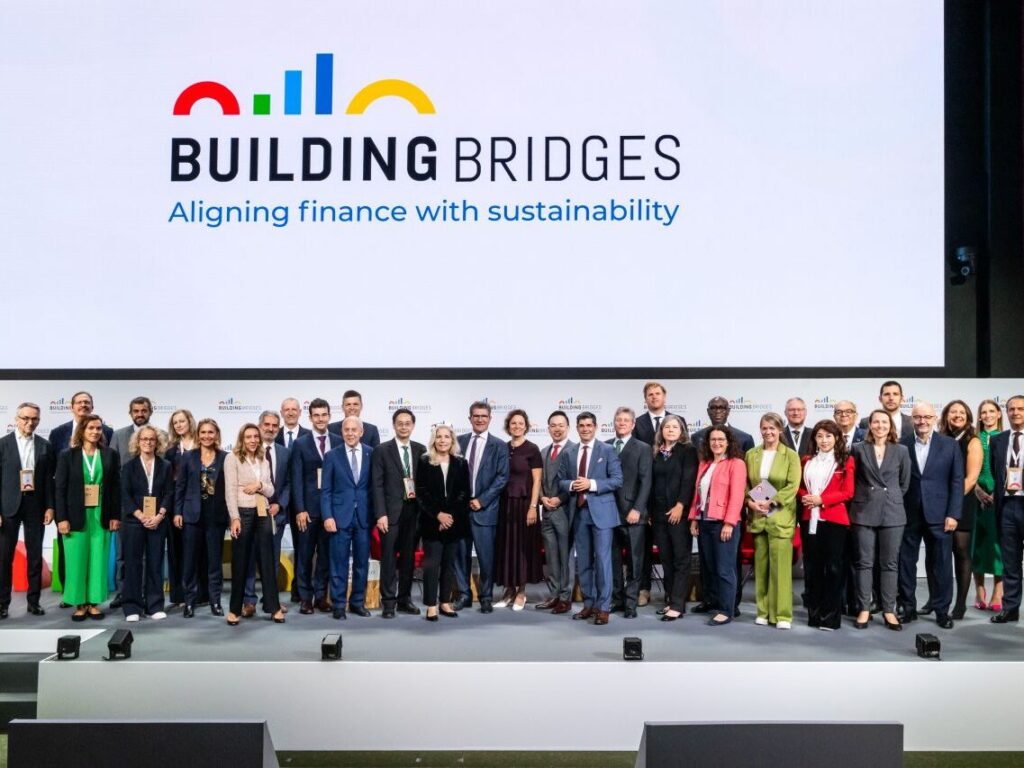
The Kenya Innovative Finance Facility for Water (KIFFWA) has joined international development partners and finance experts at the Building Bridges Summit in Geneva, Switzerland, to explore ways of mobilising capital for sustainable water and sanitation projects.
During the summit, KIFFWA collaborated with Treehouse Investments LLC, UNICEF, Loowatt Ltd, Aqua for All and the Swiss Agency for Development and Cooperation (SDC) to co-convene a side session focusing on “Sanitation in a Changing Climate: Unlocking Investment That Scales.” The discussion examined how innovative financial approaches could attract investment into climate-resilient sanitation infrastructure and services.
The engagement highlighted the need to move beyond conventional funding commitments towards developing bankable projects capable of attracting private capital and delivering sustainable results on a larger scale.
Speaking during the session, KIFFWA’s Ruth Onyango emphasised that the availability of investment-ready and scalable projects remains a major factor in determining whether sanitation receives adequate financial support.
She noted that without projects that can demonstrate financial viability and potential for expansion, sanitation risks remaining a neglected area despite its importance to public health, environmental protection and economic development.
The discussions underscored the importance of creating a pipeline of well-prepared projects, developing innovative financing mechanisms and strengthening collaboration among investors, policymakers, innovators and development partners.
Such approaches could help bridge the gap between the need for improved sanitation services and the financial resources required to deliver them, particularly as climate change places additional pressure on water and sanitation infrastructure.
Sanitation was also presented as an investment opportunity extending beyond the provision of toilets, sewerage systems and waste management services. Participants explored how sanitation solutions could generate additional economic value through resource recovery, wastewater reuse and the development of affordable decentralised systems.
For instance, faecal sludge can be processed into fertiliser and other useful products, while treated wastewater can support irrigation and agricultural production. These approaches can create opportunities for businesses, improve resource efficiency and reduce environmental pollution when implemented safely and appropriately.
Linking sanitation investments with agriculture, water security and climate resilience could therefore attract a wider range of investors while helping communities respond to the growing challenges associated with water scarcity and changing weather patterns.
Affordable, decentralised sanitation systems were also highlighted as potential solutions for areas where conventional sewerage infrastructure may be expensive or difficult to extend. With suitable financing and operational arrangements, such systems could help expand service coverage while supporting more sustainable approaches to waste management.
The summit’s closing high-level plenary, titled “Water as the Trojan Horse: Valuing Water from Scarcity Risk to Strategic Asset,” further examined the importance of water in supporting interconnected sectors of the economy.
The discussion reinforced the role of water in public health, food production, energy generation, climate resilience and economic growth. It also highlighted the need to recognise water and sanitation as essential economic assets rather than treating them solely as development assistance priorities.
Reliable water supplies and effective sanitation systems are fundamental to healthy communities, productive economies and environmental sustainability. However, expanding these services requires financial resources, appropriate technologies and institutional arrangements that can support long-term operations and maintenance.
For KIFFWA, the engagement in Geneva provided an opportunity to advance discussions on how partnerships between the public and private sectors can help mobilise the investment needed to close the water and sanitation financing gap.
Building stronger connections between financiers, technology providers, governments and development organisations could help transform promising ideas into commercially viable projects that deliver measurable benefits to communities.
The discussions also pointed to the importance of designing financing structures that reflect the specific needs of sanitation projects, including their affordability, environmental benefits, potential revenue streams and resilience to climate-related risks.
By improving project preparation and encouraging innovative approaches to financing, stakeholders can create opportunities for investment while supporting the expansion of essential services.
The challenge facing the water and sanitation sector is therefore not only to secure funding commitments, but also to ensure that available capital can be directed towards projects capable of achieving sustainable and scalable results.
KIFFWA’s participation in the summit reinforced the importance of collaboration in turning this ambition into action. Stronger partnerships, investment-ready projects and innovative financing solutions will be critical to attracting the resources needed to improve sanitation services and strengthen resilience to climate change.
As global efforts to achieve Sustainable Development Goal 6 continue, mobilising investment for water and sanitation remains an important step towards ensuring access to safe water and adequate sanitation for all.
The discussions in Geneva highlighted a growing opportunity to connect financial innovation with practical solutions, positioning water and sanitation as essential components of resilient communities and sustainable economies.