Water resources drive community forest conservation
Access to reliable water supplies remains essential to environmental conservation, particularly in supporting tree nurseries, restoring degraded landscapes and promoting sustainable forest management.
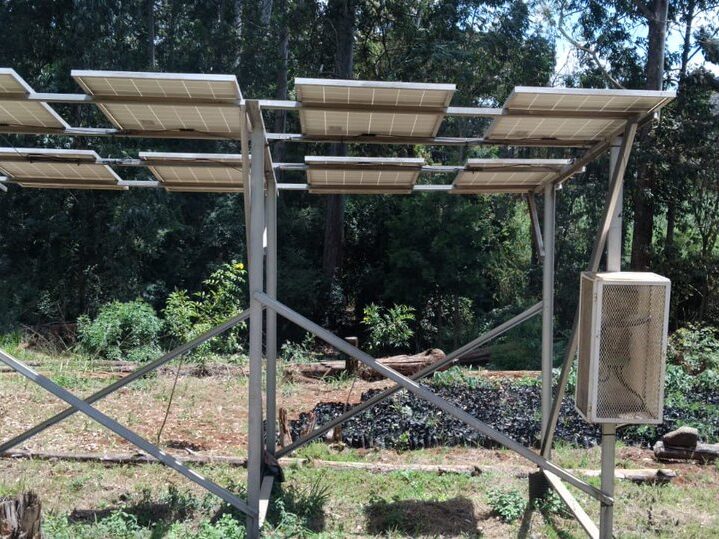
A community tree nursery has received a boost following donations of a solar-powered water pump from Davis & Shirtliff and a 10,000-litre water storage tank from BidcoRo, a subsidiary of Bidco Group. The contributions are intended to support the nursery’s operations and strengthen ongoing community conservation efforts associated with Ngong Road Forest.
The donations highlight the importance of water resources in sustaining tree-growing initiatives, which depend on adequate water supplies to nurture seedlings before they are transplanted to their permanent growing sites.
Water plays a fundamental role in the growth and survival of trees. It supports seed germination, nutrient absorption, photosynthesis and the development of strong root systems. Without sufficient water, seedlings may struggle to establish themselves, particularly during dry periods when soil moisture levels decline.
For tree nurseries, a dependable water supply is therefore critical to maintaining healthy seedlings and ensuring that resources invested in raising trees translate into successful planting and restoration activities.
The donated solar-powered water pump is expected to support water access at the nursery, while the 10,000-litre storage tank will provide capacity to store water for use when required. Together, the facilities can help improve water management and make it easier to maintain seedlings throughout their growth stages.
The use of solar-powered pumping technology also demonstrates how renewable energy can support environmental conservation. By harnessing solar energy to pump water, the nursery can reduce its dependence on conventional electricity or fuel-powered pumping systems, potentially lowering operational costs and environmental impacts where the technology is appropriately designed and maintained.
Beyond supporting tree nurseries, water resources are central to the health of forests and other ecosystems. Adequate soil moisture enables vegetation to flourish, supports biodiversity and helps maintain habitats for wildlife. Healthy forests also contribute to the regulation of local water cycles by influencing rainfall infiltration, reducing surface runoff and supporting groundwater recharge.
Trees help protect soils from erosion by stabilising the ground with their roots and reducing the impact of rainfall on exposed surfaces. Forest vegetation can also slow water movement across the land, helping reduce soil loss and the movement of sediment into rivers and other water bodies.
These functions demonstrate the close relationship between water conservation and forest protection. While trees depend on water to grow, healthy forest landscapes also help regulate water movement through catchments, contributing to the long-term sustainability of water resources.
Community tree nurseries provide an important foundation for these conservation benefits by producing seedlings for planting and restoration programmes. They also create opportunities for local communities to participate directly in protecting natural resources and improving the condition of surrounding environments.
However, successful tree-growing programmes require more than planting seedlings. They depend on proper nursery management, reliable water supplies, suitable tree species and continued care after seedlings are transferred to the ground. Water planning is particularly important in areas that experience prolonged dry seasons or irregular rainfall.
Collecting and storing water, improving irrigation practices and using water efficiently can help nurseries maintain production while reducing pressure on available water resources. Conservation initiatives must also ensure that water abstraction does not compromise the needs of surrounding communities or the ecosystems they seek to protect.
The contributions from Davis & Shirtliff and BidcoRo demonstrate how private-sector partnerships can support practical interventions that strengthen community-led environmental conservation. Providing equipment and infrastructure can help address operational challenges faced by local initiatives and improve their capacity to sustain tree-growing activities.
As pressure on forests, water resources and biodiversity continues to grow, cooperation between businesses, communities and conservation organisations remains important in promoting responsible environmental management.
Supporting community tree nurseries with reliable and sustainably managed water supplies can contribute to broader efforts to restore forest landscapes, protect soil, safeguard biodiversity and strengthen ecosystem resilience.
The initiative associated with Ngong Road Forest serves as a reminder that effective environmental conservation depends on the responsible management of interconnected natural resources. Protecting water resources while supporting tree-growing activities can help communities nurture healthier ecosystems and contribute to a more sustainable environment for future generations.