Kisumu rethinks the future of urban water
The Kisumu Water and Sanitation Company Limited (KIWASCO) is strengthening water access in low-income settlements through community partnerships, digital technology and capacity-building initiatives aimed at improving distribution networks and ensuring more reliable services for residents.
The utility uses the Delegated Management Model (DMM) to extend affordable water services to underserved neighbourhoods, including Nyalenda, Manyatta and Obunga, which are home to approximately 60 per cent of Kisumu’s population. The approach enables KIWASCO to work with local operators to bring water services closer to communities while improving customer management.
Since 2006, KIWASCO has partnered with community-based operators known as Master Operators (MOs), who manage water distribution and customer services within designated areas. Through this arrangement, the utility extends its reach by relying on local actors who understand the needs of residents and play a critical role in last-mile water delivery.
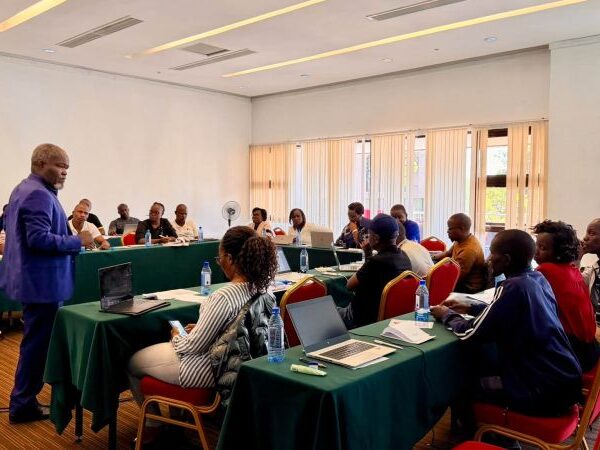
Between 2024 and 2025, five Master Operators benefited from the Delegated Management Model Capacity Development for Sustainability project, which sought to strengthen their operational capacity and improve the long-term sustainability of community-based water services.
The support included digital billing systems, training, branding and marketing initiatives designed to enhance business management, improve customer relations and increase operational efficiency. Digital billing systems can help operators maintain customer accounts and payment records more effectively, while training equips them with the skills needed to manage daily activities and respond to customer needs.
Branding and marketing support also helps improve awareness of services and strengthen the visibility of Master Operators within the communities they serve.
The project provided an opportunity to assess how these interventions influenced the performance of the participating operators and identify areas requiring further support. A report based on their performance between August 2024 and September 2025 documents the progress made, challenges encountered and lessons that could inform improvements to the model.
The findings are expected to guide future interventions by highlighting practical ways to strengthen local operators, address operational difficulties and improve the sustainability of water distribution in underserved settlements.
The initiative is implemented by Rural Water Management Solutions Kenya, Elphrods Credit, OPERO-Services and Water & Sanitation for Urban Populations, with support from The Stone Family Foundation and VOx Impuls.
The collaboration demonstrates the importance of partnerships between water utilities, community operators and development organisations in expanding access to essential services in urban settlements.
By combining digital innovation with training and business support, KIWASCO is seeking to strengthen community-level water management and improve the effectiveness of its distribution network. The experience gained through the project could also provide useful lessons for other utilities seeking to adopt or improve delegated management approaches.
Strengthening the capacity of Master Operators remains an important step towards ensuring that investments in water infrastructure translate into reliable, affordable services for more households across Kisumu’s low-income communities.