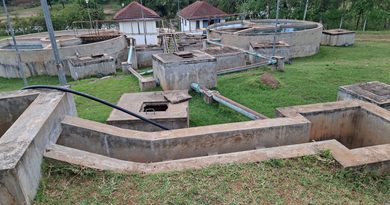
Kapenguria–Makutano sewerage project nears completion
The Kapenguria–Makutano Sewerage Project in West Pokot County is 99 per cent complete, with the facility moving towards the Defects Liability Period as the government advances efforts to improve sanitation and wastewater management.
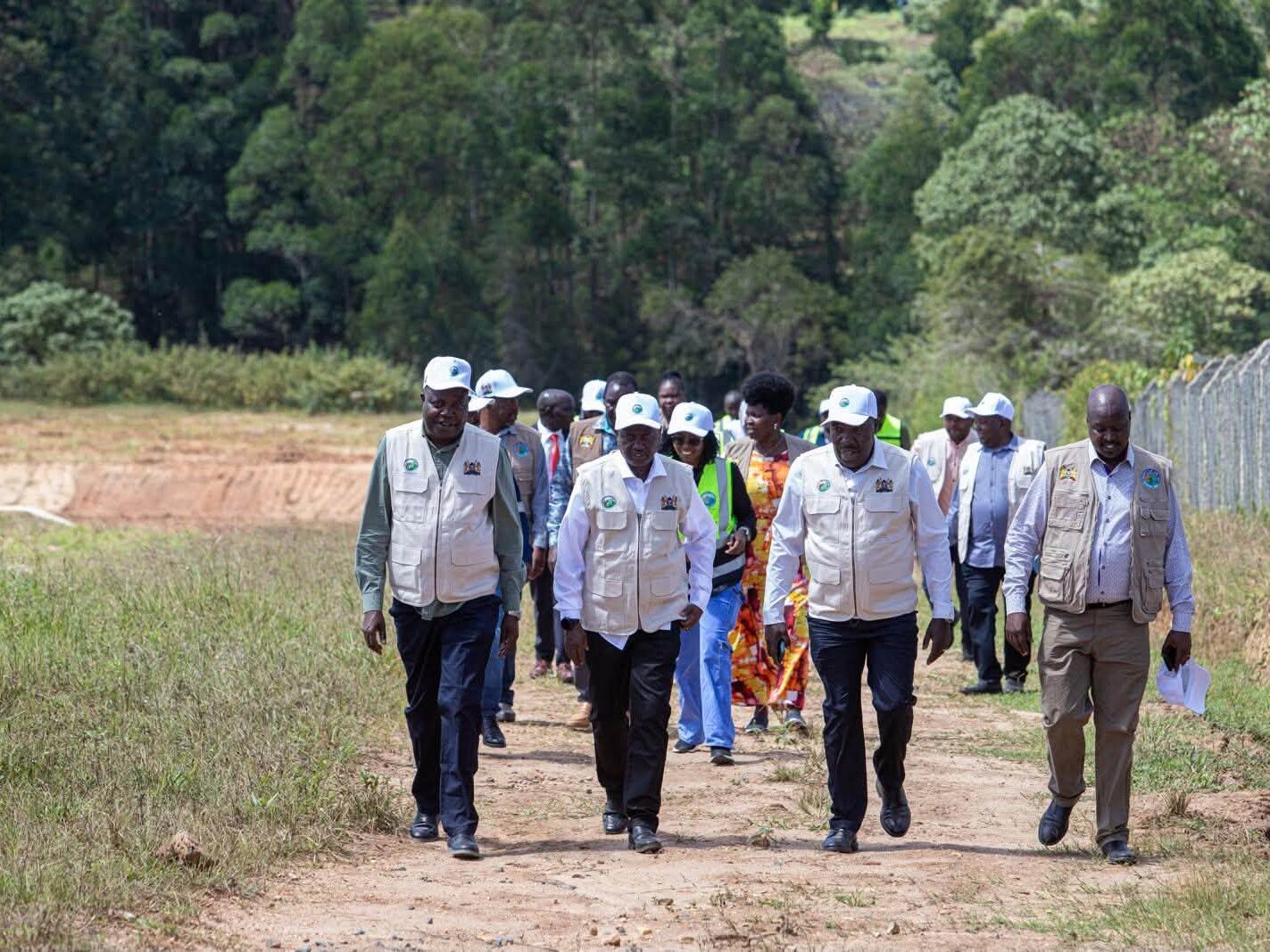
Principal Secretary for Water and Sanitation Julius Korir inspected the project in Makutano, accompanied by Water Secretary Eng. Samuel Alima, to assess progress on the infrastructure.
Once fully completed, the wastewater treatment plant will have the capacity to process 3,000 cubic metres of wastewater daily, providing a major boost to sanitation services in Kapenguria, Makutano and neighbouring communities.
The facility is expected to improve the management of wastewater generated by homes, businesses and other establishments, helping reduce the risks associated with the uncontrolled disposal of sewage. Proper wastewater treatment is essential in protecting water resources, preventing environmental pollution and safeguarding public health.
The project is also expected to contribute to a cleaner environment by reducing the likelihood of untreated wastewater entering rivers, drainage channels and other natural water systems. Improved sanitation infrastructure can help protect communities from waterborne diseases while supporting healthier living conditions.
Its near-completion marks an important stage in expanding wastewater treatment capacity in West Pokot County, where reliable sanitation services are essential to growing urban centres and surrounding settlements.
The transition into the Defects Liability Period will provide an opportunity for any defects identified after construction to be addressed in accordance with the project’s contractual requirements. This phase is important in ensuring that the completed infrastructure performs as intended.
Beyond treating wastewater, the project is expected to support better environmental management and improve the quality of life for residents. Effective sewerage systems help communities manage growing sanitation needs while reducing pressure on the surrounding environment.
The Kapenguria–Makutano project forms part of the wider need to expand sewerage infrastructure in Kenya, where investments in wastewater collection and treatment remain important for protecting public health, water resources and urban environments.
With construction reported at 99 per cent completion, attention is now turning towards the final stages of delivery and ensuring the facility can provide sustainable wastewater treatment services to residents of Kapenguria, Makutano and surrounding areas.