Kenya eyes Indian irrigation model to expand rice production
Kenya is exploring new investment models to improve water utilisation and expand irrigated agriculture at the Bura Irrigation Scheme in Tana River County, as the government seeks to increase domestic rice production and strengthen food security.
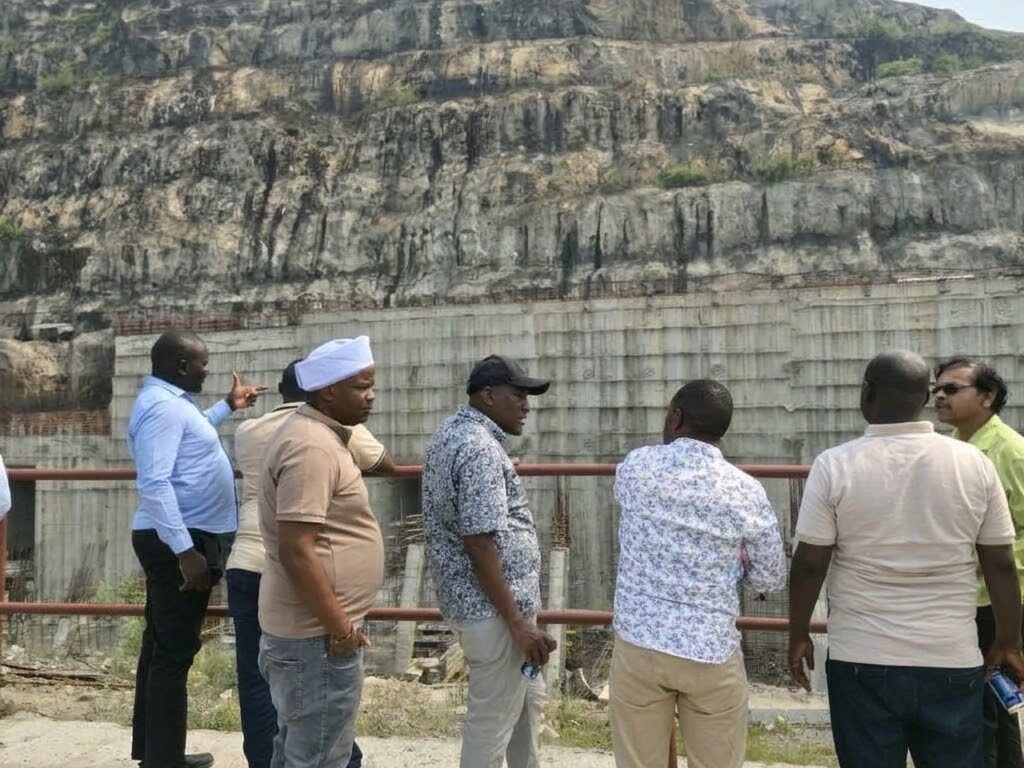
Principal Secretary for Irrigation Ephantus Kimotho led a delegation from the State Department for Irrigation on a working visit to Hyderabad, Telangana, and Kakinada, Andhra Pradesh, India, on Wednesday, October 21, 2026. The visit, following an invitation from United Port Services Private Limited, is focused on examining how private investment, modern irrigation technologies and large-scale water infrastructure can transform 35,000 acres at Bura into a major rice production hub.
The discussions come as Kenya seeks to improve the management of its water resources to support agriculture amid increasingly variable rainfall, rising food demand and competition for water among households, industries and agricultural producers. Expanding irrigation offers an opportunity to make better use of available water supplies, reduce dependence on rain-fed farming and improve the reliability of crop production.
During the visit, the Kenyan delegation toured India’s Polavaram Irrigation Project, a multipurpose water infrastructure development designed to support irrigation, water transfers and hydropower generation.
The project has a reported gross reservoir storage capacity of approximately 5.51 billion cubic metres and is designed to bring an additional 720,000 acres under irrigation while stabilising water supplies for another 2.35 million acres across the Godavari and Krishna delta regions. It also incorporates a 960-megawatt hydropower plant and facilitates water transfers between river basins.
The development demonstrates how water storage, irrigation networks and energy infrastructure can work together to support agricultural productivity and regional economic growth. For Kenya, such an approach offers lessons on planning irrigation investments around dependable water supplies, efficient distribution systems and long-term management of river resources.
At Bura, water from the Tana River provides the foundation for expanding agricultural production. The scheme has a gazetted area of 176,000 acres, although only part of the land has been developed for irrigation. Improving water conveyance and distribution infrastructure remains essential to bringing additional acreage into production while reducing operational costs.
In February 2025, the government commissioned a 26-kilometre gravity canal linking Korakora and Nanighi. The infrastructure was intended to improve water delivery and reduce reliance on costly pumping arrangements, demonstrating the importance of efficient conveyance systems in irrigation development.
Under the proposed investment, 35,000 acres could be dedicated to large-scale rice production. Based on an estimated yield of 30 bags per acre, with each bag weighing 75 kilogrammes, the area could produce approximately 78,750 metric tonnes of rice per production cycle. Actual output would depend on water availability, farming practices, crop performance and the final investment arrangements.
The development could increase domestic rice supplies, create employment and provide new opportunities for farmers, processors, transporters and other businesses. However, achieving these benefits will require careful water allocation, maintenance of irrigation infrastructure and farming practices that use water efficiently without undermining the needs of downstream communities and ecosystems.
The initiative aligns with Kenya’s National Irrigation Sector Investment Plan 2025–2035, which targets the expansion of irrigation by one million acres over ten years. Private-sector partnerships are expected to help mobilise the financing, technology and technical expertise required to accelerate this expansion.
As Kenya studies India’s experience, the proposed transformation of Bura highlights the central role of water resource management in agricultural development. Reliable river flows, efficient irrigation networks and sustainable water allocation will be critical to turning the scheme into a productive rice-growing centre and strengthening the country’s long-term food security.