Government steps up Nairobi river restoration
The government is pursuing a basin-wide strategy to restore Nairobi’s degraded river system through sewerage expansion, waste management reforms and rehabilitation of riparian land, in an effort to improve water quality and strengthen environmental protection across the capital and downstream counties.
The Nairobi River Basin Regeneration Programme (NaBREP), coordinated by the Nairobi Rivers Commission, targets approximately 175 kilometres of waterways covering the Nairobi, Ngong and Mathare rivers, alongside sections of the Stony Athi River. The initiative aims to address longstanding environmental challenges while improving sanitation, urban drainage and living conditions for communities along the river corridors.
The river system has experienced mounting pressure from rapid urbanisation, untreated domestic sewage, industrial effluent, indiscriminate waste disposal and development within riparian reserves. These activities have degraded water quality, disrupted aquatic ecosystems and increased the vulnerability of riverside settlements to flooding and pollution-related health risks.
A central pillar of the regeneration plan is investment in wastewater infrastructure. Proposed interventions include twin trunk sewer lines along river corridors, decentralised wastewater treatment systems and improvements to the Kariobangi Wastewater Treatment Plant. The infrastructure is intended to reduce the discharge of untreated sewage into rivers and strengthen the management of wastewater generated by Nairobi’s expanding population.
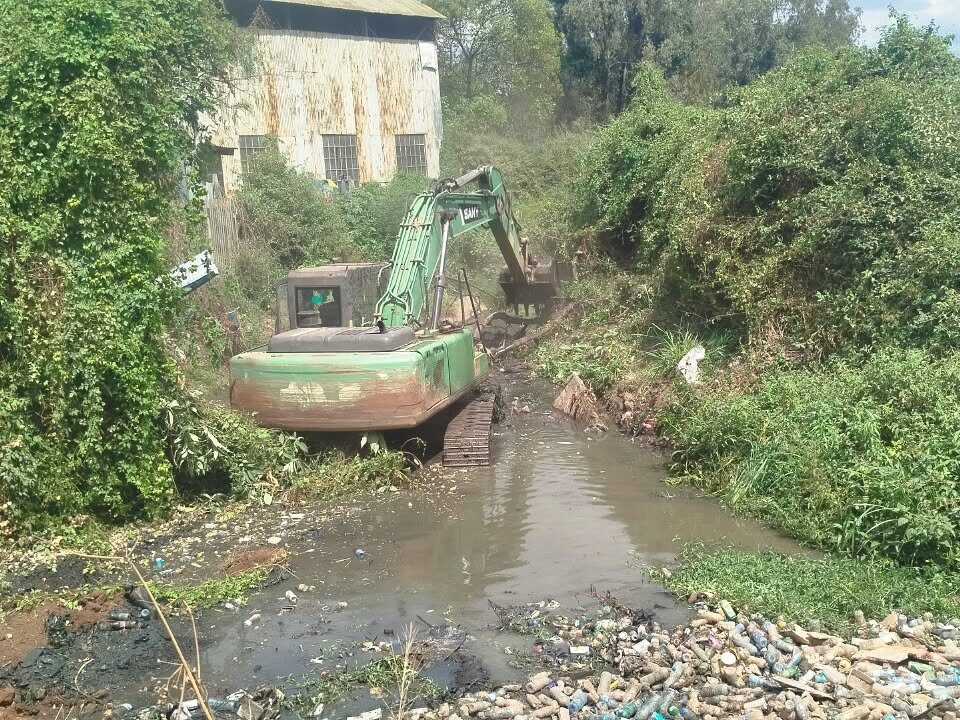
The programme also prioritises the rehabilitation of degraded riverbanks, improved solid waste collection and the decontamination of the Dandora dumpsite. River deepening, widening and bank stabilisation are among the planned measures intended to improve water flow and reduce flood risks, particularly during periods of heavy rainfall.
Beyond environmental restoration, NaBREP incorporates urban renewal measures, including affordable housing, retail markets, public amenities, pedestrian and cycling routes, and green spaces. The approach seeks to balance environmental protection with the social and economic needs of communities living and working along the river corridors.
The Climate WorX initiative forms part of the programme’s employment and environmental conservation agenda. According to the programme information provided, more than 42,000 young people are engaged in activities such as river clean-ups, tree planting and environmental maintenance, linking restoration efforts with livelihood opportunities.
Implementation involves national government agencies, Nairobi City County and the county governments of Kiambu, Machakos, Makueni and Kajiado. Development partners, environmental organisations and community-based groups also contribute technical support and participate in conservation activities.
The programme’s projected outcomes include improved water quality, reduced erosion, better urban sanitation and the creation of employment opportunities. Its plans also envisage approximately 30,000 affordable and social housing units, alongside investments intended to stimulate economic activity along the river corridors.
However, achieving these targets will require sustained financing, effective coordination among implementing agencies and stronger enforcement of environmental regulations. Improving sewerage coverage and waste collection will also be essential to preventing renewed pollution after rehabilitation works are completed.
The programme’s wider significance lies in the connection between Nairobi’s urban waterways and the Athi River Basin, which extends downstream towards the Sabaki River outlet in Kilifi County. Pollution entering the river system in the capital can affect ecosystems and water resources beyond the city.
By combining sanitation infrastructure, riverbank rehabilitation, waste management and community participation, NaBREP seeks to move beyond short-term clean-up exercises towards sustained restoration of the river basin. Its success will depend on whether these interventions deliver lasting improvements in water quality, ecosystem health and the safety of communities along the waterways.