Water defenders champion community rights
Environmental protection and sustainable water management are increasingly linked to the ability of communities to participate in decisions concerning rivers, catchments and other natural resources that support their livelihoods.
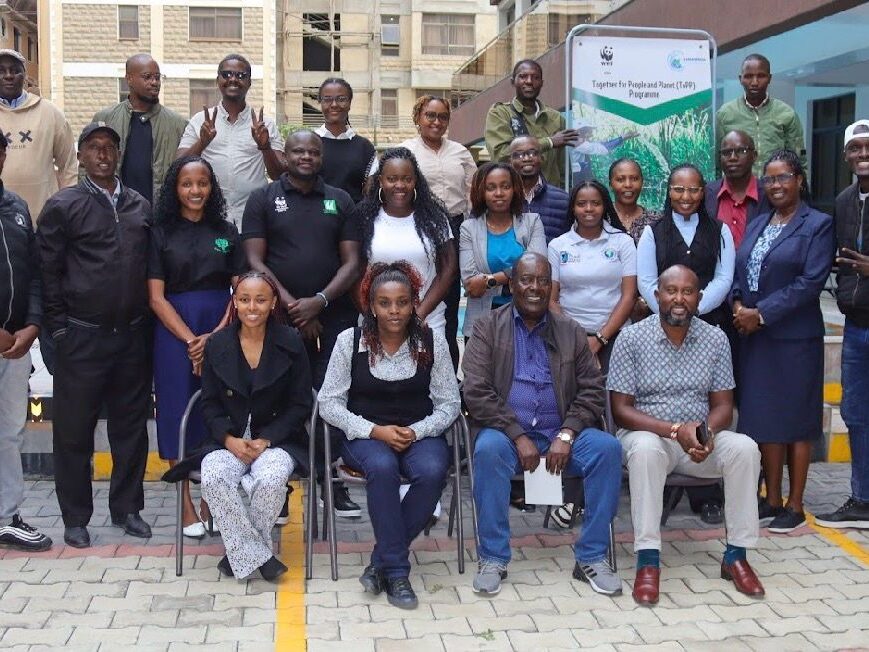
Twenty-six Environmental Human Rights Defenders drawn from Water Resources Users Associations (WRUAs) have undergone capacity-building training aimed at strengthening community participation in natural resource governance and promoting equitable access to water resources.
The training, facilitated by the Economic and Social Rights Centre–Hakijamii on October 19, 2026, focused on equipping grassroots defenders with the knowledge and practical skills needed to influence decisions affecting the environment, water security and community rights.
The initiative comes amid growing concerns over declining river flows, competition for limited water supplies, unsustainable resource use and the exclusion of some communities from decisions affecting their natural environment. These challenges can affect household water availability, agricultural activities, livelihoods and the long-term health of aquatic ecosystems.
Water resources are essential to both human development and environmental sustainability. However, protecting them requires more than regulating water use and conserving catchments. Communities must also understand their rights, know which institutions are responsible for managing water resources and have opportunities to participate meaningfully in decisions that affect them.
Kenya’s constitutional framework recognises the right to clean and safe water in adequate quantities, as well as the right to a clean and healthy environment. Public participation and access to relevant information are therefore important elements of accountable natural resource governance.
The training on influencing natural resource governance decisions sought to bridge the gap between these rights and the ability of communities to defend them. Participants were equipped to identify institutions with legal responsibility for addressing water and environmental concerns, engage decision-makers and develop evidence-based advocacy strategies.
The programme also emphasised the importance of holding public institutions accountable, strengthening public participation and advocating for fair access to natural resources. These skills can help community representatives communicate local concerns more effectively and seek appropriate responses from relevant authorities.
Water Resources Users Associations play an important role in community-level water resource management by bringing together stakeholders who depend on shared water sources. Strengthening their capacity can improve dialogue over competing water needs, support catchment conservation and encourage responsible use of rivers and other water resources.
The involvement of Environmental Human Rights Defenders is particularly important where environmental degradation threatens community livelihoods or where residents feel excluded from decisions about natural resource utilisation. Equipped with appropriate knowledge and advocacy skills, local defenders can help communities present evidence, engage institutions and seek solutions to environmental challenges.
The initiative is being implemented through a partnership between WWF-Kenya and the Kenya National Association of Water Resources Users Associations (KeNAWRUA) under the Together for People and Planet (ToPP) Project.
Beyond training the 26 participants, the programme seeks to strengthen collective community action, promote transparent decision-making and ensure that environmental protection considers the needs and rights of people who depend directly on natural resources.
Ultimately, sustainable water governance requires cooperation between communities, government agencies and conservation organisations. Empowering local defenders can help ensure that decisions about water resources are informed by community experiences, respect fundamental rights and support the long-term protection of Kenya’s ecosystems.