Nakuru launches major water and sewerage upgrade

Nakuru County has launched a Sh5.6 billion water supply and sanitation programme aimed at expanding clean water services, improving wastewater treatment and reducing pollution flowing into Lake Nakuru.
The Lake Nakuru Biodiversity Conservation Project, funded through a grant from the German Development Bank (KfW), marks a renewed push to modernise ageing infrastructure that has struggled to keep pace with the city’s rapid population growth.
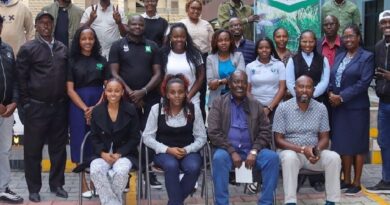
Governor Susan Kihika said implementation had been accelerated after administrative delays that stalled the project for five years. The first phase brings together national and county government agencies, contractors and development partners to coordinate the planned works.
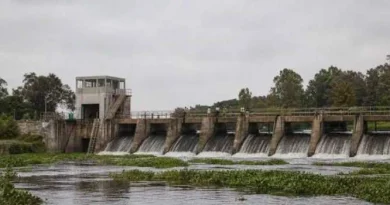
A major component of the programme is the modernisation of wastewater treatment facilities, including upgrading the Njoro treatment works to handle increased volumes of sewage. The project also plans to redirect wastewater from ageing treatment infrastructure to improved facilities, reducing pressure on the existing system.
The county will rehabilitate and extend sewer lines to estates that have long depended on septic tanks and other alternative waste disposal methods. The expansion is expected to improve sanitation in parts of Nakuru East, Nakuru West and other areas incorporated into Nakuru City.
According to project details published by the Central Rift Valley Water Works Development Agency, the programme includes rehabilitation of approximately 65 kilometres of sewer networks, drilling 12 boreholes, improvements to four existing wellfields and construction of a 10,000-cubic-metre water storage reservoir.
The water supply component will also involve rehabilitating distribution pipelines, improving existing water sources and constructing reservoirs to strengthen reliability as demand increases.
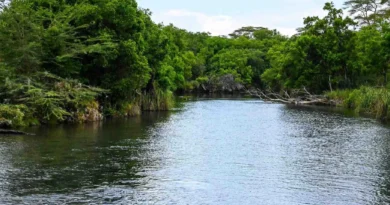
Kihika said protecting Lake Nakuru was another central objective of the investment. By improving wastewater collection and treatment, the project seeks to prevent untreated sewage from entering the lake, which supports important wildlife habitats and biodiversity.
The sewerage expansion is particularly significant for residents who face high costs when disposing of waste from full septic tanks. Improved connections could reduce reliance on private exhausters while lowering the risk of sewage leaks and contamination in residential areas.
Principal Secretary for Water and Sanitation Julius Korir previously said the investment would help strengthen water supply reliability as urbanisation increases demand in Nakuru and surrounding communities.
The project will be implemented over five years by the Central Rift Valley Water Works Development Agency in collaboration with the Nakuru County Government and other sector institutions, including Nakuru Water and Sanitation Services Company.
Beyond improving household services, the investment is expected to support environmental conservation by strengthening wastewater management and reducing pollution risks around Lake Nakuru.
Successful implementation will depend on completing the infrastructure works, extending connections to underserved estates and ensuring that the upgraded facilities operate sustainably as the city continues to grow.