Mzima springs decline disrupts water supply in Taita Taveta
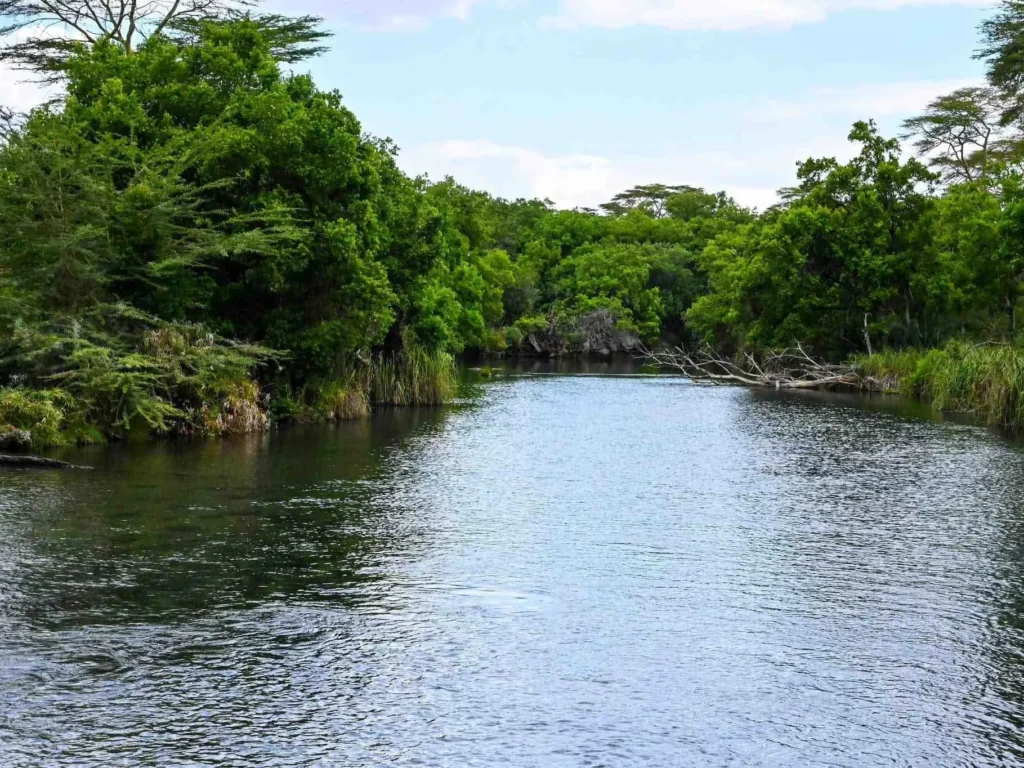
Water users in Voi, Maungu and Mackinnon Road will have to adjust to intermittent supplies after falling water output from Mzima Springs prompted a rotational distribution plan across the three areas.
The Coast Water Works Development Agency (CWWDA), responsible for bulk water supply to the affected locations, has introduced a schedule running from October 2026 to the beginning of January 2027. The arrangement is intended to manage the available water by allocating supply periods instead of serving all the areas at the same time.
Tavevo Water and Sewerage Company announced the measures in a public notice circulated through the Taita Taveta County Government’s Directorate of Communication and Strategy. The company attributed the restrictions to insufficient water from Mzima Springs to satisfy demand across the entire supply network.
Under the published timetable, the first allocation covered October 5–11, with another period scheduled for October 19–25. November allocations run from November 2–8, November 16–22 and November 30–December 6. The remaining periods are December 14–20 and December 28–January 3, 2027.
The notice does not provide details on the daily hours when water will flow, the volume allocated to each town or the expected date for the restoration of normal supply. It also gives no estimate of the total number of customers affected or the amount by which available production has fallen short of demand.
Tavevo has appealed to customers to use water carefully and retain enough for essential household and business activities whenever supplies are available. The rotational arrangement is likely to require households, traders and institutions to manage their consumption between scheduled delivery periods, particularly where storage capacity is limited.
The shortage draws attention to the importance of Mzima Springs within the water supply system serving Taita Taveta and parts of the Coast region. Water from the springs is conveyed through a major pipeline to supply towns along its route, making the reliability of the source and transmission infrastructure important to consumers.
CWWDA operates bulk water infrastructure across the Coast region, drawing supplies from several sources, including Mzima Springs, the Baricho well fields, Marere Springs and Tiwi boreholes. However, alternative sources cannot necessarily replace a shortfall in the Mzima system because water distribution depends on the location of infrastructure, transmission capacity and the design of individual supply networks.
The wider region also faces a significant imbalance between water demand and production. Estimated daily demand across CWWDA’s six-county area is about 329,306 cubic metres, against production of approximately 180,000 cubic metres. This difference reflects the broader challenge of providing sufficient water for a growing population and expanding economic activities.
Ageing infrastructure adds to the pressure. The existing Mzima pipeline, built in the 1950s, has faced concerns over leaks and bursts. Such problems can lead to water losses and interruptions, although the latest rationing announcement does not establish that pipeline damage caused the current decline in spring output.
A longer-term intervention is the proposed Mzima II water supply project. Designed to convey up to 105,000 cubic metres of water daily through a pipeline measuring about 220 kilometres, the project aims to increase supplies to coastal areas, including Taita Taveta, Mombasa, Kilifi and Kwale. However, the project is intended to address longer-term water needs and is not an immediate remedy for the current shortage.
The immediate priority for residents and businesses is to manage available water throughout the scheduled allocation periods. Regular updates from the water agencies on supply days, distribution hours and changes to the timetable will be important in helping customers plan their needs.
The situation also underlines the need to strengthen water production, maintain transmission infrastructure and reduce losses so that communities across Taita Taveta and the wider Coast region can receive more dependable supplies.