Kenya, Egypt deepen water ties
Kenya and Egypt have reaffirmed their commitment to strengthening cooperation in water resources management, food security and sustainable development following bilateral discussions on the sidelines of Cairo Water Week 2026.
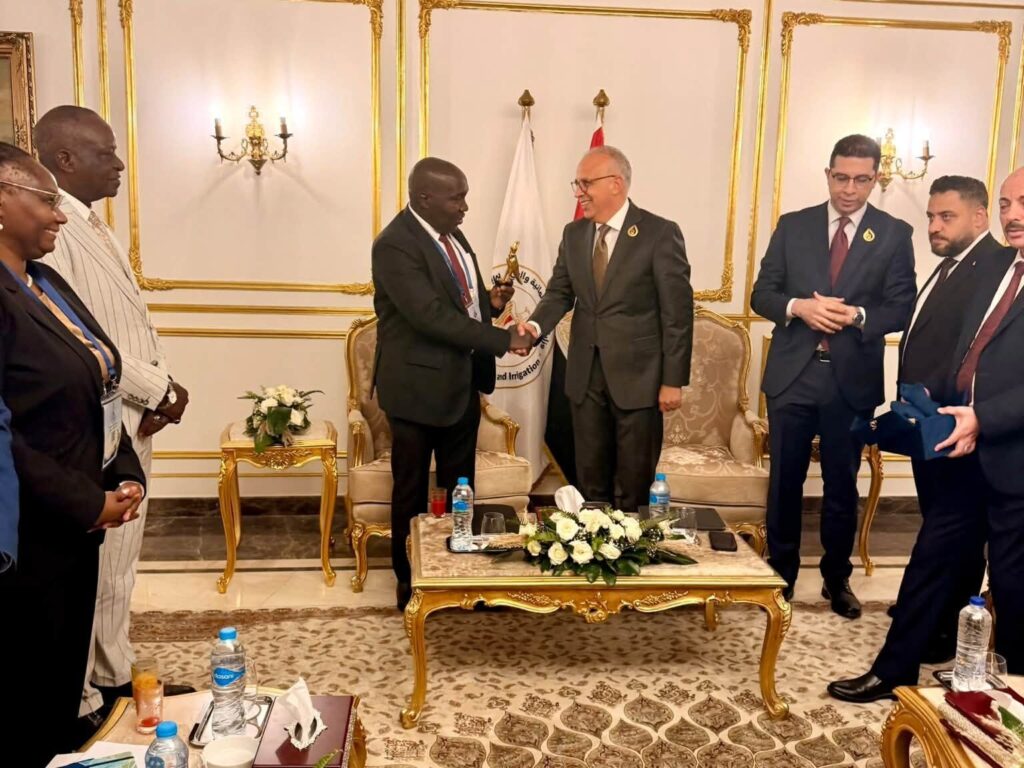
Principal Secretary for Water and Sanitation Julius Korir held talks with Egypt’s Minister of Water Resources and Irrigation, Dr Hani Sewilam, during the international conference, which runs from October 25 to 29 under the theme Water as a Catalyst for Peace, Shared Prosperity, and a Sustainable Planet.
The meeting focused on strengthening bilateral relations and advancing cooperation frameworks that promote dialogue, mutual understanding and shared benefits among countries that depend on the Nile Basin’s water resources.
Korir’s participation comes as countries across the region continue to seek collaborative approaches to water governance amid growing demand, climate-related pressures and the need to strengthen food production and economic development.
Both countries emphasised the importance of working through the Nile Basin Initiative (NBI) to advance regional cooperation and establish constructive platforms for addressing shared water challenges.
The discussions highlighted the importance of recognising water not only as an essential natural resource but also as a foundation for regional stability, agricultural productivity and sustainable economic growth.
The Nile Basin connects countries with diverse water needs and development priorities. Cooperation among basin states is therefore important in promoting information exchange, strengthening institutional relationships and identifying opportunities for development that benefit communities across the region.
Cairo Water Week provides a platform for policymakers, water experts, development partners and international organisations to discuss emerging challenges and explore practical solutions for sustainable water management.
The ninth edition of the conference features discussions on managing shared water resources under international water law, strengthening food systems through desalination and wastewater treatment, improving climate resilience and using digital technologies to support sustainable water management.
For Kenya and Egypt, the engagement builds on broader efforts to strengthen bilateral cooperation in water and irrigation development. In March 2026, Kenya’s Ministry of Water reported that Korir and other officials had held discussions with Egypt’s ambassador to Kenya to advance cooperation on water and sanitation projects, including initiatives intended to improve water security, expand irrigation and strengthen climate resilience.
Such cooperation could create opportunities for exchanging technical expertise, strengthening institutional capacity and exploring practical approaches to water infrastructure development. However, the implementation of specific initiatives will depend on subsequent agreements, technical discussions and arrangements between the two governments.
The engagement also comes at a time when water security is increasingly linked to food production and climate resilience. Reliable water supplies are essential for agricultural irrigation, livestock production and the livelihoods of communities that depend on water resources for economic activities.
Strengthening cooperation can help countries explore ways to improve water-use efficiency, support sustainable agricultural practices and build resilience against droughts and other climate-related challenges.
Korir’s meeting with Sewilam was attended by Kenya’s Ambassador to Egypt, Frederick Outa, and Deputy Ambassador Jennifer Njiru, highlighting the diplomatic support accompanying the two countries’ engagement on water-related issues.
The discussions reinforced the importance of sustained dialogue and cooperation in addressing shared challenges while respecting the interests and development priorities of the countries involved.
As Kenya and Egypt pursue stronger bilateral relations, continued engagement through the Nile Basin Initiative and other regional platforms is expected to remain important in promoting cooperation, supporting food security and advancing sustainable development.
The broader objective is to ensure that water-resource management contributes to regional prosperity and stability while supporting the needs of present and future generations.