Kenya plans AI adoption to improve water management
Kenya is proposing to use artificial intelligence (AI) to improve water management, strengthen climate resilience and address persistent losses in water distribution as the country prepares to present its priorities at the United Nations Water Conference in Abu Dhabi in December 2026.
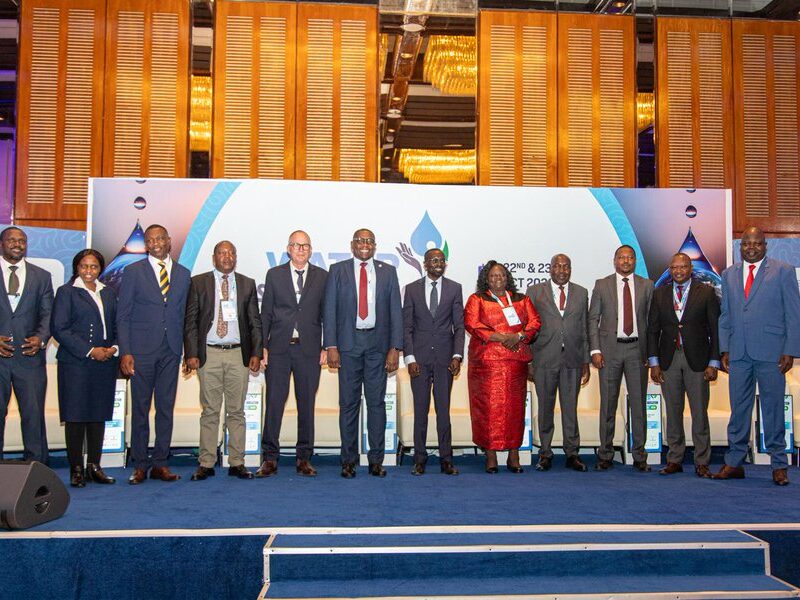
The proposals emerged during the second Water, Sanitation and Irrigation Conference held in Nairobi on October 22–23, where stakeholders discussed increased sector financing, improved infrastructure and reforms to strengthen water and sanitation services.
Under the proposed plan, AI would support drought and flood forecasting, irrigation scheduling, water-demand prediction, water-quality monitoring and the detection of leaks in distribution networks.
The measures are intended to help water-sector institutions make informed decisions, improve the use of available resources and strengthen preparedness against climate-related challenges.
Mary Wamaitha, Acting Director of Sanitation at the Ministry of Water, Sanitation and Irrigation, said the sector continues to face challenges that require increased investment and stronger regulatory measures.
“Water access, wastewater management and distribution remain major challenges, requiring greater investment, stronger regulation and climate-resilient infrastructure,” she said.
The proposed technology adoption forms part of wider efforts to improve the country’s water security while expanding access to reliable water and sanitation services.
AI-based forecasting could help authorities anticipate periods of water scarcity and prepare for potential flooding. Similarly, analysing consumption patterns could improve estimates of demand, allowing water providers to plan supply and distribution more effectively.
In agriculture, digital forecasting and irrigation scheduling could support more efficient water use, particularly among smallholder farmers who depend on increasingly unpredictable rainfall.
Kenya seeks increased water-sector financing
Alongside the proposed AI applications, Kenya is seeking to increase funding for water and sanitation infrastructure and establish a dedicated financing mechanism for climate-resilient water projects.
The country’s proposed financing position targets progressively raising allocations towards at least 0.5 per cent of gross domestic product (GDP) for sanitation and 1.2 per cent for water by 2030, from an indicative baseline of 0.1 per cent.
The government also proposes establishing a dedicated instrument to finance water development and climate resilience, either by adapting an existing facility or creating a new one.
Other priorities include strengthening water harvesting and storage, expanding climate-resilient water supply and irrigation infrastructure, and integrating water, energy and food security into national and county development planning.
These interventions are expected to support more coordinated management of natural resources and improve the country’s capacity to respond to changing climatic conditions.
Water losses remain a major concern
The push for modern water-management systems comes amid growing concern over losses in distribution networks and persistent gaps in sanitation services.
The 2024/25 Joint Annual Sector Report by the Water Services Regulatory Board and Kenya WASH indicates that non-revenue water increased from 43 per cent to 48 per cent.
Non-revenue water refers to treated water that does not generate revenue for service providers, including water lost through leaking pipes, inaccurate metering and unauthorised consumption.
Donald Murgor, Chairperson of the Water Resources Authority Board, questioned the increase in losses despite investments in water infrastructure.
He called for the modernisation of distribution systems to ensure that water harvested and treated reaches consumers rather than being lost before delivery.
AI-assisted monitoring could help utilities identify unusual changes in network pressure, detect potential leaks and prioritise maintenance. However, reducing water losses will also require investment in physical infrastructure, improved metering and effective operational management.
Sanitation remains another challenge. The sector report indicates that only 16 per cent of the population is connected to sewerage systems, while six per cent still practise open defecation.
Alex Manyasi, Policy Engagement Manager at the African Population and Health Research Centre, called for improvements to sanitation legislation, particularly in the management of on-site sanitation and wastewater.
“The Water Act currently has focused largely on sewage,” he said, arguing that the legal framework needs to address gaps affecting other sanitation systems.
Technology and partnerships in focus
The conference also highlighted the importance of research, innovation and collaboration between universities, research centres and government institutions in supporting the implementation of new technologies.
Willis Ombai, Chief Executive Officer of the Water Sector Trust Fund, emphasised the need for clear arrangements to mobilise financing for water infrastructure.
“We must have a clear track to realise the money for water projects,” he said.
Anthony Njaramba, Chief Executive Officer of the Water Services Providers Association, said the conference offered Kenya an opportunity to coordinate its priorities ahead of international discussions.
“This is the first time as a country we are going to a conference speaking the same language,” he said.
Wamaitha said the meeting provided an opportunity to examine new technologies and innovations that could improve water and sanitation services.
The proposals are expected to inform Kenya’s position at the December United Nations Water Conference, with financing, governance and technology identified as important areas for improving water access and resilience.
If supported by adequate resources, reliable data and effective implementation, AI could help strengthen forecasting, improve water allocation and reduce losses across supply networks. The immediate task, however, will be translating the proposed measures into practical programmes that deliver measurable improvements for households, farmers and water service providers.