WASPA seeks partnerships to cut water losses
The Water and Sanitation Providers Association (WASPA) is exploring potential partnerships aimed at strengthening the capacity of water sector personnel and helping water service providers improve revenue collection through innovative solutions to reduce water losses.
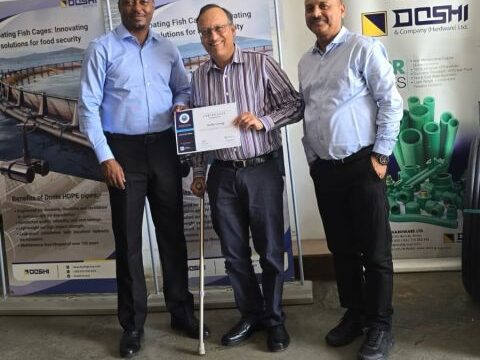
The initiative emerged during a meeting between WASPA Chief Executive Officer Anthony Njaramba and Doshi Group representatives Ameet Doshi and Mahesh Prasad, where discussions centred on opportunities for collaboration in technical capacity building and the development of sustainable revenue streams for water utilities.
The engagement comes as water service providers continue to face operational and financial challenges that affect their ability to deliver reliable services, maintain infrastructure and expand water supply to growing populations.
One of the key areas discussed was reducing Non-Revenue Water (NRW), which refers to water that enters a distribution system but does not generate revenue for the utility. Such losses can result from physical leakages, illegal connections, meter inaccuracies and weaknesses in billing and revenue collection systems.
High levels of NRW can place considerable pressure on water utilities by increasing production and distribution costs while limiting the income available for infrastructure maintenance and service expansion. Reducing these losses can therefore help providers make better use of existing water supplies and improve their financial performance.
Innovative approaches to NRW management could include improved leak detection, modern metering technologies, more effective monitoring of distribution networks and stronger systems for identifying unaccounted-for water. The suitability of these interventions would depend on the specific challenges facing individual water service providers.
The discussions also highlighted capacity building for water sector personnel as a potential area of partnership. Strengthening technical skills and operational expertise can help utilities identify system weaknesses, manage infrastructure more effectively and adopt solutions that improve service delivery.
Training and knowledge exchange can also support water providers in responding to changing sector demands, including the need for efficient water distribution, better asset management and financially sustainable operations.
For water utilities, the ability to generate sufficient revenue is essential to maintaining services, repairing ageing infrastructure and investing in additional supply capacity. Improving operational efficiency while reducing avoidable losses could help providers direct more resources towards these priorities.
The engagement between WASPA and Doshi Group represents an opportunity to explore how collaboration between sector institutions and private-sector organisations could contribute to these objectives.
However, the discussions focused on potential partnerships, and specific agreements, implementation timelines and project commitments were not detailed.
Further progress will depend on the development of concrete collaboration plans that identify the needs of participating utilities, the technologies or training required, and the expected outcomes.
If translated into practical interventions, the proposed areas of cooperation could support efforts to reduce water losses, strengthen the skills of water sector personnel and improve the financial sustainability of water service providers.
These priorities remain important to Kenya’s water sector, where utilities must balance the costs of supplying safe water with the need to expand services and maintain dependable infrastructure.