KNBS data shows rise in Kenya’s rural water spending
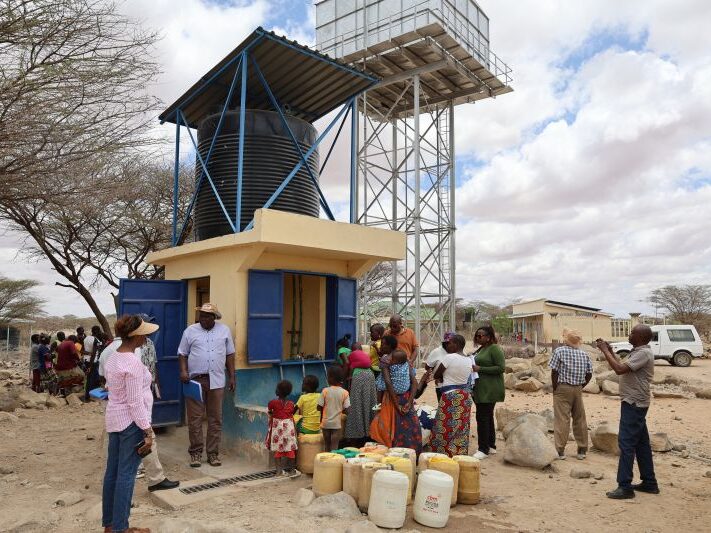
Kenya increased development expenditure on rural water supplies to KSh13.21 billion in the 2025/26 financial year, up from KSh5.43 billion in the previous year, highlighting a major rise in government spending aimed at strengthening water services in rural communities.
Data published by the Kenya National Bureau of Statistics (KNBS) in the Economic Survey 2026 shows that expenditure on rural water supplies increased by approximately 143 per cent during the period under review.
The figures point to a significant increase in resources directed towards rural water infrastructure, although the extent to which the additional spending has improved access to reliable and safe water will depend on the projects implemented and their operational performance.
The report also shows that expenditure on water development rose from KSh20.86 billion in 2024/25 to KSh33.71 billion in 2025/26, representing an increase of approximately 62 per cent.
Overall, development expenditure on water supplies and related services increased from KSh46.66 billion to KSh55.11 billion over the same period. The 2025/26 figures are provisional.
The increased expenditure comes as rural communities across Kenya continue to depend on a combination of piped water systems, boreholes, protected springs, water pans and community-managed water projects to meet their daily needs.
Investment in these facilities is important in areas where households travel long distances to collect water or depend on seasonal sources that become unreliable during prolonged dry periods.
Improved rural water infrastructure can also support schools, health facilities, small businesses and agricultural activities by providing more dependable supplies for domestic and productive uses.
However, higher expenditure alone does not establish whether more households have gained access to water. The impact will depend on the number of projects completed, the reliability of water sources, the condition of distribution networks and the ability of water service providers to maintain the infrastructure.
The figures therefore raise questions about how the additional resources have been distributed across counties, which projects have benefited and whether the spending has translated into measurable improvements in water services.
County governments, water works development agencies and rural water service providers have important roles in ensuring that infrastructure investments deliver lasting benefits to communities.
Monitoring project completion, household connections, water quality and continuity of supply will be essential in assessing the effectiveness of the increased expenditure.
The KNBS figures provide an important benchmark for evaluating public investment in the water sector. Further implementation data will be needed to establish whether the increase in rural water spending is closing existing service gaps and improving the reliability of supplies for underserved communities.