Garissa riverbank works target households against flood Risks
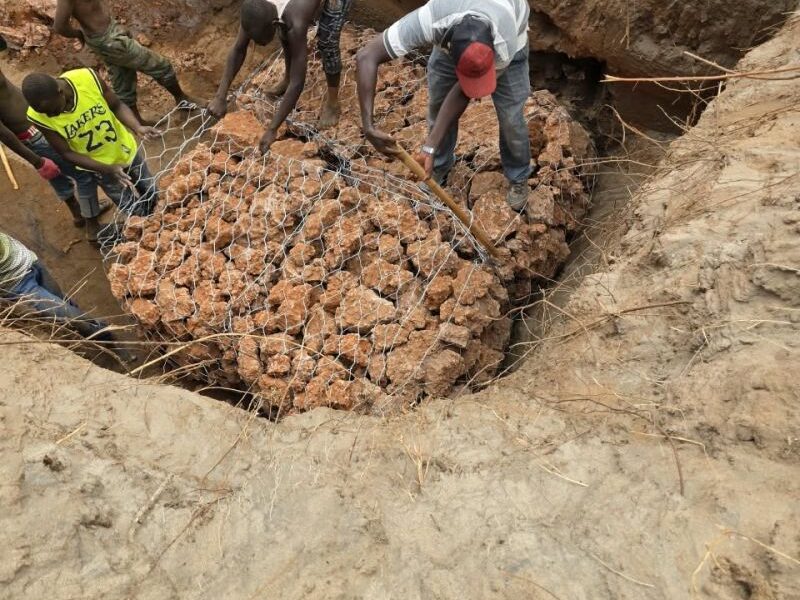
Riverbank protection works are underway in Bakuyu, Garissa Township Constituency, to shield 460 households and 200 acres of agricultural land from potential flooding as Kenya enters the October–December rainy season.
The intervention focuses on strengthening vulnerable sections of the riverbank to reduce erosion and the risk of breaches when river levels rise. Through the Garissa Farmers Network, the Tana and Athi Rivers Development Authority (TARDA) is implementing a 630-metre protection system combining gabions, dyke reinforcement and bioengineering measures.
The works are intended to protect homes, farmland and livelihoods in an area where flooding can disrupt agricultural activities, damage property and threaten communities living near the river. By reinforcing the riverbank before peak rainfall, the intervention seeks to reduce exposure to flood hazards and improve preparedness among residents.
Agriculture is a key consideration in the project because productive land supports household food supplies and income generation. Floodwater and riverbank erosion can wash away crops, undermine farmland and interrupt farming activities, leaving families vulnerable to financial losses and food insecurity. Protecting the 200 acres targeted by the intervention could therefore help preserve agricultural production and sustain the livelihoods of farming households.
The project also highlights the importance of managing rivers as part of broader flood-risk reduction efforts. During periods of intense rainfall, increased river flows can place pressure on riverbanks, particularly where erosion has weakened the soil. Reinforcing these vulnerable areas can help reduce the likelihood of riverbank failure, although the level of protection ultimately depends on rainfall intensity, river conditions and the design and maintenance of the works.
The use of gabions and bioengineering provides a combination of structural and nature-based protection. Gabions, which are wire enclosures filled with stones, help stabilise riverbanks and resist the force of flowing water. Bioengineering complements these structures by using vegetation and other natural methods to improve soil stability and limit erosion. Together with dyke protection, the measures are designed to strengthen the riverbank against flood pressure.
Beyond protecting property, the initiative highlights the connection between river management, food security and community resilience. Healthy and stable riverbanks help protect land used for farming while reducing the risks faced by households living close to rivers. Effective flood preparedness is particularly important in areas where communities depend on agriculture for their livelihoods and have limited capacity to recover from major losses.
The works also underscore the importance of preparing for seasonal rainfall before flooding reaches dangerous levels. Early interventions can help reduce potential damage, although protection measures must be supported by regular inspections, proper maintenance and timely warnings to communities when river levels rise.
Sustainable river management requires continued attention to erosion, catchment conditions and activities that may weaken riverbanks. Protecting vegetation, managing land use near rivers and improving community awareness can complement engineered interventions and contribute to long-term flood resilience.
As the October–December rainy season progresses, the Bakuyu project represents a targeted effort to reduce flood risks while protecting agricultural resources and settlements. Its effectiveness will depend on the quality of construction, continued maintenance and coordination with local communities.
By focusing on vulnerable riverbanks before peak rainfall, the initiative demonstrates the importance of investing in preventive infrastructure to protect lives, preserve farmland and strengthen the resilience of communities whose livelihoods depend on the river system.