Makueni invests in water infrastructure as county targets economic growth

Makueni County is stepping up investment in water infrastructure to address persistent shortages, strengthen agricultural production and improve livelihoods, with several dam and water supply projects forming part of its development agenda.
Water availability remains a major challenge in Makueni, where unreliable rainfall, prolonged dry spells and limited storage infrastructure place pressure on households, livestock keepers and farmers. The scarcity of dependable water sources can undermine food production, increase the cost of meeting domestic needs and constrain the growth of small businesses that rely on water.
During this year’s Mashujaa Day celebrations in Nziu, Makueni Sub-County, Governor Mutula Kilonzo Jr. highlighted ongoing investments aimed at improving water availability while outlining wider county priorities in agriculture, healthcare, infrastructure and employment.
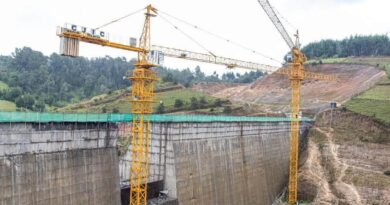
Among the projects cited was the Sh450 million Athi-Kalawa initiative, alongside the ongoing Kaiti IV project supported by the Tanathi Water Works Development Agency. The governor also highlighted the 42-acre Londokwe Dam project in Kitise, which forms part of efforts to strengthen water storage and improve availability for communities facing supply challenges.
Investment in dams and water distribution infrastructure is important in semi-arid areas because it can help communities retain water during periods of rainfall for use during drier months. When supported by effective catchment management, water conservation and maintenance of distribution systems, such infrastructure can improve the reliability of domestic supplies and support productive activities.
For households, improved water availability can reduce the time spent travelling to collect water while supporting hygiene, sanitation and public health. Schools and healthcare facilities also depend on reliable supplies to maintain sanitary conditions and deliver essential services.
Agriculture stands to benefit from improved water security, particularly where farmers can use available supplies for small-scale irrigation, livestock production and other farming activities. Greater reliability can help reduce dependence on rainfall alone, although the extent of irrigation benefits will depend on the design and capacity of individual projects.
The county’s water priorities also connect with its agricultural market programme. Governor Mutula announced a Sh50 million allocation for mango purchases during the current season and outlined plans to expand markets for Makueni produce, including a proposed engagement with representatives of the Oman government to explore export opportunities.
The county is also pursuing a mango aggregation centre in Nziu, alongside cold storage, digital market information and value-addition initiatives intended to improve produce handling and reduce post-harvest losses. Reliable water supplies can complement these investments by supporting agricultural production and related processing activities.
On employment and investment, the governor highlighted a Sh2.5 billion initiative involving the county government, Agrione Fresh Produce and the Anglican Church of Kenya, projected to create approximately 12,000 jobs.
He also reported that 258 promotions had been undertaken and 279 county employees converted to permanent and pensionable terms. On infrastructure, he called for closer cooperation between national and county governments to advance shared projects, including the proposed Makueni professional stadium.
Sustained water security will, however, require more than constructing dams and pipelines. Protecting catchment areas, preventing pollution, managing water demand and maintaining infrastructure are essential to preserving available resources and ensuring dependable supplies.
The county’s development priorities therefore highlight the connection between water resource management, agriculture, public health and employment. Improving the availability and sustainable use of water remains important to strengthening resilience against drought and supporting long-term economic activity across Makueni.