Coast water agency steps up drive to close regional water deficit
The Coast Water Works Development Agency (CWWDA) is expanding investments in water infrastructure, renewable energy and distribution networks to address persistent shortages and improve access to reliable water supplies across Kenya’s coastal region.
The agency is implementing projects aimed at increasing water production, reducing pumping costs, upgrading ageing infrastructure and extending supply networks to underserved communities in Mombasa, Kwale, Kilifi, Taita-Taveta, Tana River and Lamu counties.
Despite ongoing investments, the region continues to face a substantial gap between available water supplies and daily demand. Figures presented in the agency’s sector update indicate that the coastal region produces approximately 230,584 cubic metres of water daily against an estimated demand of 439,198 cubic metres, highlighting the need for additional infrastructure and better management of existing resources.
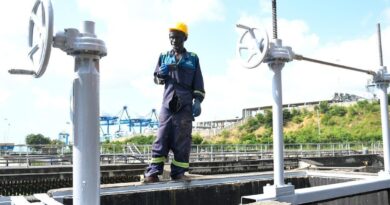
One of the major interventions is the solarisation of Baricho Water Works in Kilifi County, a critical facility supplying water to parts of the coastal region. The project is intended to reduce electricity expenses associated with pumping water through the supply network while improving the sustainability of water production.
The Baricho facility has historically incurred substantial electricity bills because of the energy required to extract and pump water. Introducing solar power is expected to reduce dependence on electricity from the national grid, lower operating expenses and release resources that can support maintenance and service improvements.
The initiative also reflects the growing role of renewable energy in the water sector, where high operating costs can affect utilities’ ability to maintain infrastructure and expand services. More affordable pumping operations could improve the financial sustainability of bulk water supply systems.
CWWDA is also prioritising the rehabilitation and expansion of major transmission pipelines that transport water from production facilities to urban centres and surrounding settlements. These networks are essential for ensuring that additional water produced at treatment plants reaches consumers efficiently.
Key sources supporting the region include Baricho, Mzima Springs, Marere and Tiwi-Likoni. Maintaining these facilities and their associated pipelines is crucial to improving the reliability of supply to homes, businesses, schools, hospitals and other public institutions.
In Kwale County, the Marere Water Treatment Plant is among the infrastructure investments intended to increase production capacity and strengthen water services. The project forms part of broader efforts to improve supplies to communities affected by shortages as population growth and commercial activity increase demand.
The agency is also supporting improvements to local water systems, including distribution networks and associated infrastructure designed to extend services to underserved populations. Such interventions are important in settlements where existing facilities cannot adequately meet the needs of expanding communities.
However, addressing the water deficit requires more than increasing production. Efficient distribution, regular maintenance, adequate storage, reduced pipeline losses and reliable electricity or alternative energy sources are also necessary to ensure that available supplies reach consumers.
The water infrastructure programme has wider economic implications for the coastal region. Reliable water supplies are essential for tourism, agriculture, manufacturing, healthcare and other activities that contribute to employment and local economic development.
Coordination between national and county governments, water service providers and development partners will remain important in delivering projects and ensuring that completed facilities operate effectively.
As the coastal population grows, CWWDA’s investments are intended to strengthen regional water security and improve service reliability. Sustained financing, timely project completion and proper maintenance will be critical to narrowing the supply gap and ensuring that more households and businesses receive dependable water services.