Kenya steps up groundwater protection
Kenya and other Eastern African countries are being urged to strengthen groundwater management, regional cooperation and investment in water infrastructure as climate change, population growth and rapid urbanisation increase pressure on available water resources.
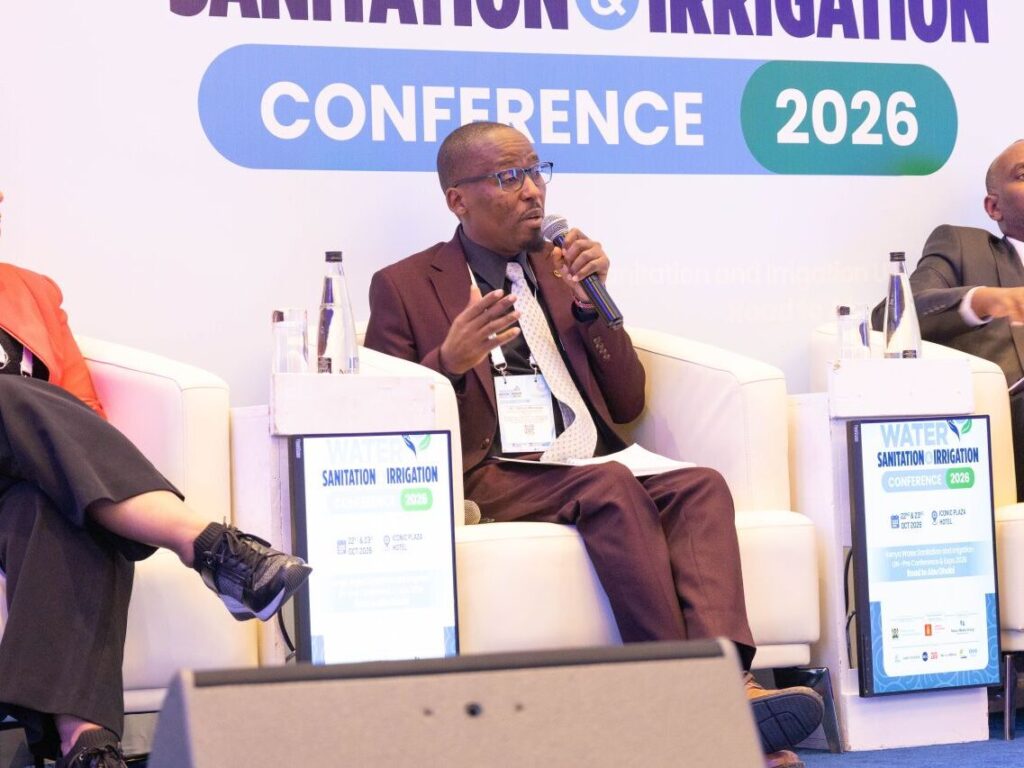
The need for sustainable water management featured prominently at the Water, Sanitation and Irrigation Conference 2026, held at the Iconic Plaza Hotel, where the Regional Centre on Groundwater Resources (RCGW) joined policymakers, researchers, development partners and industry leaders to discuss strategies for improving water security.
The conference provides a platform for stakeholders to examine the challenges affecting water supply, sanitation and irrigation while identifying practical solutions to support sustainable development across Kenya and the wider Eastern African region.
Groundwater is an important resource for households, agriculture, livestock production and industries, particularly in areas where rivers and other surface-water sources are limited or unreliable. Its importance increases during prolonged dry spells, when communities and water service providers may depend more heavily on underground reserves to meet demand.
However, groundwater resources face growing pressure from increased abstraction, inadequate monitoring, pollution and the effects of changing weather patterns. Without effective management, these pressures can undermine the long-term availability and quality of water, threatening communities and economic activities that depend on it.
RCGW’s participation in the conference reflects the growing importance of scientific research, training and technical capacity in addressing these challenges. The centre is focused on supporting groundwater protection and sustainable management while helping bridge the gap between research findings and practical interventions in the water sector.
Climate resilience is another key issue on the conference agenda. Unpredictable rainfall, prolonged droughts and flooding can affect water availability, damage infrastructure and increase the cost of delivering reliable services. Stakeholders are therefore considering how climate financing can support resilient water infrastructure, catchment protection and interventions that improve the management of water basins.
The discussions also place emphasis on transboundary water governance, recognising that groundwater systems and river basins can extend across national boundaries. Cooperation between neighbouring countries is important in improving data sharing, coordinating research and developing management frameworks that protect shared resources while reducing the risk of disputes over water use.
Financing remains another major consideration as governments seek to expand water supply networks, improve sanitation and increase irrigation coverage. The conference’s high-level financial roundtables are expected to explore ways of mobilising public resources and strengthening partnerships involving Parliament, the National Treasury and international development partners.
Investment in water infrastructure must also be accompanied by technical skills, reliable information and effective institutions to ensure that projects deliver lasting benefits. Research and capacity building can help decision-makers identify groundwater reserves, assess their condition and develop appropriate strategies for their protection and use.
Sanitation development is equally important to groundwater conservation. Poorly managed wastewater and waste disposal can contaminate underground aquifers, making water unsafe for domestic consumption and increasing treatment costs. Protecting groundwater therefore requires coordination between water supply, sanitation, environmental management and public health programmes.
Through collaboration with the Ministry of Water, Sanitation and Irrigation and other development stakeholders, RCGW is contributing to discussions on strengthening research, improving professional capacity and promoting responsible water-resource management.
As the conference continues, its outcomes could help shape investment priorities and cooperation frameworks for the sector. Sustained attention to groundwater protection, climate resilience and regional governance will be essential to securing dependable water supplies for communities, supporting economic growth and advancing Kenya’s water security goals.