WRA graces global water security agenda at WASIC 2026

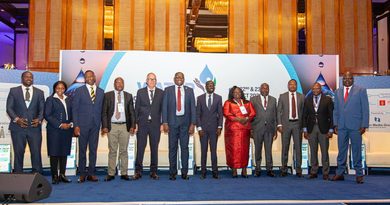
The Water Resources Authority (WRA) has called for stronger collaboration among water-sector stakeholders to improve water security and promote sustainable management of the country’s water resources during the WASIC 2026 Road to Abu Dhabi Pre-Conference held on October 22, 2026.
The authority was represented by Acting Chief Executive Officer CPA James Mburu, Board Chairman Donald Murgor, Director Jared Ongwae, Director of Water Resources Assessment and Monitoring Fred Nyongesa, Director of Stakeholder Mobilisation and Community Engagement Elizabeth Diego, and other senior officials.
The engagement provided a platform for water-sector stakeholders to discuss approaches to protecting water sources, strengthening resource management and building cooperation ahead of the December 2026 United Nations Water Conference in Abu Dhabi, United Arab Emirates. The global conference, scheduled for December 8–10, aims to accelerate progress towards Sustainable Development Goal 6, which focuses on clean water and sanitation for all.
Water security remains a critical development priority for Kenya because rivers, lakes, wetlands and underground aquifers sustain domestic consumption, agriculture, livestock production, industries and natural ecosystems. However, increasing demand, pollution, catchment degradation and changing rainfall patterns continue to put pressure on available water resources.
As the institution responsible for regulating water-resource management and use, WRA plays a central role in monitoring water availability, regulating abstraction, protecting water sources and promoting the sustainable allocation of water. These responsibilities are important in balancing competing demands while ensuring that resources remain available for future generations.
Protecting catchment areas is particularly important because forests, wetlands and other natural landscapes help regulate river flows, reduce soil erosion and support groundwater replenishment. When these areas are degraded, sedimentation and pollution can affect water quality, while changes in the natural water cycle can increase vulnerability to shortages and flooding.
Responsible water management also has direct implications for food security and economic development. Farmers depend on reliable water supplies for irrigation and livestock, while industries require water for production. Households, schools and healthcare facilities need safe and dependable supplies to maintain hygiene, sanitation and public health.
The discussions also highlighted the importance of cooperation between government agencies, communities, researchers, development partners and private-sector organisations in addressing water challenges. Sharing technical knowledge, improving monitoring systems and strengthening public participation can support better decisions on water allocation and conservation.
The pre-conference forms part of broader international preparations for the Abu Dhabi meeting, where governments and other stakeholders will seek to accelerate action on the global water crisis. Millions of people worldwide continue to face challenges in obtaining safely managed drinking water, underscoring the scale of the challenge facing water institutions and governments.
For Kenya, translating discussions into practical measures will be essential. Investments in water monitoring, catchment restoration, pollution control and efficient resource use can help protect supplies and strengthen resilience to climate-related pressures.
WRA’s participation in WASIC 2026 underscores the importance of coordinated action in safeguarding water resources, supporting economic activities and securing reliable supplies for communities now and in the future.