Kenya unites water sector ahead of Abu Dhabi conference
Kenya is seeking to strengthen coordination across the water, sanitation and irrigation sectors while preparing a unified national agenda for the United Nations Water Conference scheduled for December 2026 in Abu Dhabi, United Arab Emirates.
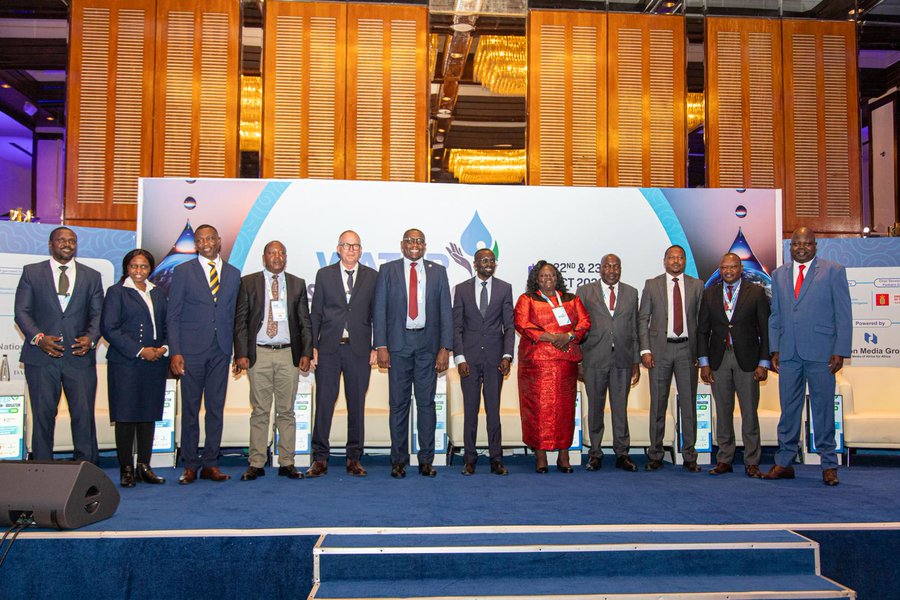
The preparations took centre stage during the official opening of the Water, Sanitation and Irrigation Conference – Road to Abu Dhabi in Nairobi, where the Cabinet Secretary for Water, Sanitation and Irrigation, Eric Mugaa, called on stakeholders to work together to improve service delivery and advance sustainable water development.
The conference, sponsored by Nation Media Group in partnership with the Embassy of Denmark in Kenya, brought together players from across the sector to discuss national priorities ahead of the international meeting.
During the discussions, the State Department for Water and Sanitation highlighted progress in expanding services, reporting that national water access stands at 76 per cent. Safely managed sanitation accounts for 41 per cent, while sewered sanitation stands at 16 per cent.
The figures point to continuing gaps in sanitation infrastructure, particularly in wastewater collection and treatment, despite progress in expanding water supply. Addressing these challenges will require sustained investment, stronger institutions and improved coordination between government agencies, utilities, development partners and the private sector.
The State Department said it has a pipeline of projects intended to accelerate investment in water supply and sanitation infrastructure and support Kenya’s efforts to achieve the Sustainable Development Goals, including targets on universal access to safe water and sanitation.
Delegates were challenged to ensure Kenya’s participation in Abu Dhabi produces a clear investment agenda rather than a general statement of sector ambitions. The emphasis was on developing projects that are technically sound, financially viable and ready to attract appropriate funding partners.
The goal, according to the message delivered at the conference, is to move “from projects seeking finance to investment-ready projects seeking the right financing partners.” This approach is intended to connect infrastructure priorities with suitable financing arrangements and improve the prospects of turning proposed projects into completed facilities.
Water resources remain central to these ambitions because they sustain households, agriculture, livestock production, industry and ecosystems. However, growing demand, climate variability, pollution and catchment degradation continue to place pressure on water availability and quality. Expanding supply infrastructure must therefore go hand in hand with protecting catchments, regulating water use and improving monitoring.
Sanitation investment is equally important in preventing pollution of rivers and groundwater, protecting public health and supporting environmental conservation. Meanwhile, irrigation development can strengthen food security and rural livelihoods when supported by efficient water management.
As Kenya prepares for Abu Dhabi, stakeholders are expected to align national priorities around practical projects, clear financing needs and stronger partnerships. The conference provides an opportunity to build a common position that links improved water and sanitation services with sustainable resource management and long-term development.