Kenya advances climate financing plan for water security
Kenya is strengthening its climate financing strategy for water and sanitation infrastructure as the government seeks to mobilise sustainable investment to protect water resources, improve service delivery and prepare communities for the growing effects of climate change.
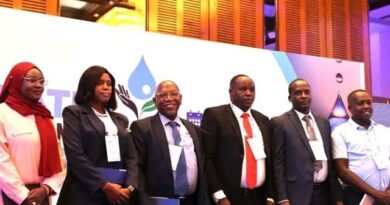
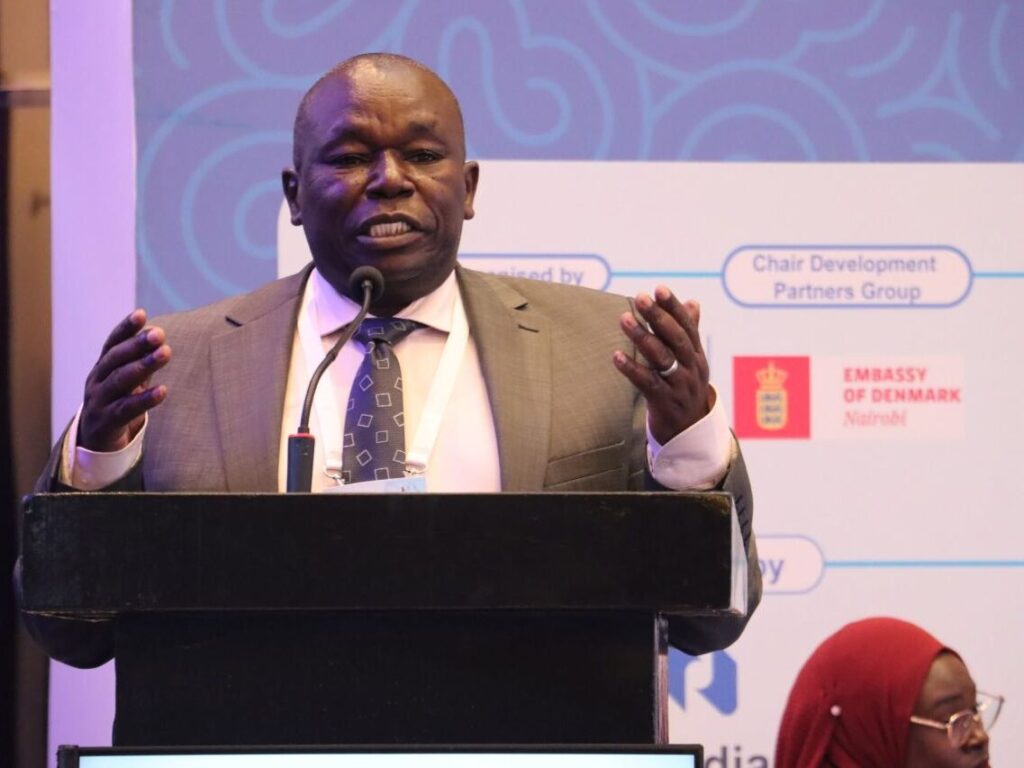
The initiative was highlighted during the Water, Sanitation and Irrigation Conference 2026 – Road to Abu Dhabi, held in Nairobi on October 22–23, where a presentation on the current Climate Financing Plan outlined the importance of securing appropriate funding for resilient water infrastructure.
The presentation emphasised that sustainable financing is essential to developing infrastructure capable of withstanding climate-related challenges while ensuring that communities continue receiving reliable water and sanitation services.
The conference brought together government officials, water sector institutions, development partners and other stakeholders to discuss investment priorities ahead of the 2026 United Nations Water Conference, scheduled for December 8–10 in Abu Dhabi, United Arab Emirates.
According to the conference discussions, Kenya is seeking to strengthen financing arrangements that can support water supply systems, sewerage infrastructure, irrigation development and water storage projects. The approach is intended to help bridge investment gaps and ensure that infrastructure planning takes account of changing rainfall patterns, droughts and flooding.
Climate financing is increasingly important for Kenya because water infrastructure faces risks from both prolonged dry spells and intense rainfall. Drought can reduce the availability of water in rivers, reservoirs and groundwater sources, while flooding can damage pipelines, contaminate supplies and disrupt sanitation systems.
Investments in climate-resilient infrastructure can help reduce these risks by strengthening water storage, protecting catchment areas, improving drainage and ensuring that treatment and distribution facilities can continue operating during extreme weather events.
The Ministry of Water, Sanitation and Irrigation has identified climate resilience as a priority in its water sector planning. The government’s proposed water and sanitation investment framework for the 2026/2027–2028/2029 medium-term period includes a Water Sector Climate Financing Plan intended to mobilise resources for climate-resilient investments.
The proposed interventions include incorporating climate resilience into the design and protection of dams, water supply systems and sewerage infrastructure. Other priorities include expanding storage through dams, reservoirs and water pans, alongside promoting rainwater harvesting, underground water storage and greywater recycling.
These measures are intended to improve water availability during dry periods while strengthening the ability of infrastructure to withstand climate-related disruptions.
Financing such investments requires cooperation between the government, development partners, financial institutions and private investors. Public funding remains important, but grants, concessional loans, public-private partnerships and blended financing arrangements can provide additional resources for projects that require substantial capital.
The Ministry’s wider strategic direction also recognises the need for diversified financing approaches to improve infrastructure delivery while maintaining accountability and value for money.
For water utilities, access to appropriate financing can support the construction of treatment plants, expansion of distribution networks, rehabilitation of ageing pipelines and development of sewerage facilities. However, investment must also cover operations, maintenance and long-term management to ensure that completed infrastructure continues delivering services.
Kenya’s preparations for the international conference are taking place against a wider global water challenge. The United Nations estimates that approximately 2.1 billion people worldwide lack safely managed drinking water, while 3.4 billion lack safely managed sanitation services.
The December conference in Abu Dhabi will bring together governments, international institutions, development partners and other stakeholders to accelerate progress towards Sustainable Development Goal 6, which calls for the availability and sustainable management of water and sanitation for all.
For Kenya, the meeting offers an opportunity to present national priorities, strengthen international cooperation and seek investment for projects that can improve water security and sanitation coverage.
The country’s water infrastructure needs extend beyond developing new sources. Reliable services require coordinated investment in water harvesting, storage, treatment, transmission and distribution, alongside effective wastewater collection and treatment systems.
Climate financing can help address these interconnected needs by directing resources towards projects that reduce vulnerability to extreme weather while improving the sustainability of water services.
As the government advances its Climate Financing Plan, attention will focus on translating financing proposals into practical investments, strengthening project preparation and ensuring that resources reach priority areas.
The success of the strategy will ultimately depend on its ability to mobilise funding, accelerate implementation and deliver infrastructure that benefits communities.
With climate pressures continuing to affect water availability and service delivery, sustainable financing is expected to remain central to Kenya’s efforts to strengthen water security, protect vital resources and build resilient communities.