Water infrastructure project records 20% progress
The Sh15 billion Nairobi Water and Sanitation Project has reached 20 per cent completion, with the investment expected to improve water supply and sewerage services for communities across the Nairobi metropolitan region, including Mavoko and parts of Kajiado County.
The project, implemented by the Athi Water Works Development Agency (AWWDA), seeks to expand water infrastructure through the development of distribution networks and supporting facilities aimed at improving the reliability of supplies to growing urban and peri-urban settlements.
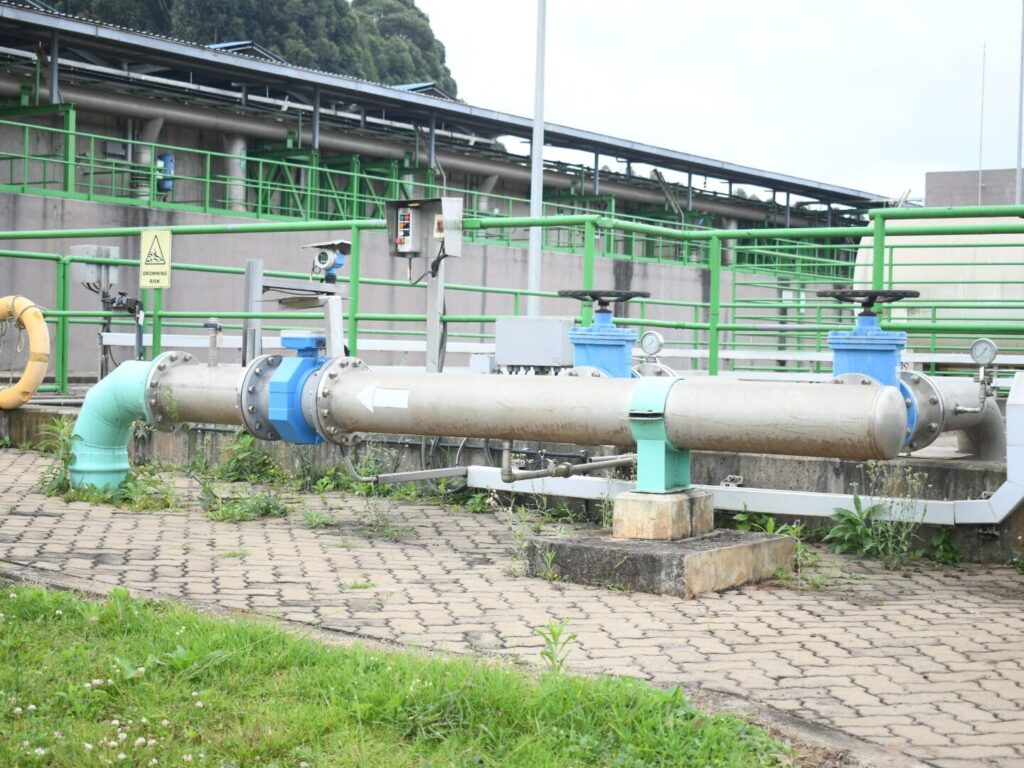
According to the agency’s official website, the Nairobi Water and Sanitation Project (NWSP) is expected to benefit approximately 30,000 residents. Its planned infrastructure includes borehole drilling, construction of elevated storage tanks and installation of pipeline distribution networks.
The reported 20 per cent completion marks progress towards expanding water services in areas experiencing increasing demand as residential settlements, commercial centres and other developments continue to grow around Nairobi.
The planned infrastructure is expected to strengthen water distribution by improving supply facilities and extending networks to communities that require better connections. Boreholes can provide additional sources of water where groundwater assessments confirm that abstraction is sustainable and the water meets required quality standards.
Elevated storage tanks can help maintain distribution pressure and provide storage to support supply during periods of high demand. Pipeline networks will also play a critical role in linking water sources and storage facilities to distribution systems, enabling supplies to reach more households and other consumers.
The effectiveness of these investments will depend on the availability of sufficient water, integration of new facilities with existing infrastructure and the capacity of local water service providers to operate and maintain the completed systems.
The project also includes sewerage infrastructure, an important component in improving sanitation as the metropolitan region expands. Reliable wastewater collection and management can help reduce pollution risks and support healthier living conditions in densely populated settlements.
Mavoko, in Machakos County, is among the areas where demand for water infrastructure has grown alongside rapid urban development. Residential estates and commercial activities around Athi River, Mlolongo and Syokimau have increased pressure on existing water supply and sanitation systems.
Government records have previously highlighted shortages in Mavoko and Syokimau, including gaps in last-mile connections that prevent some households from benefiting fully from available bulk water supplies.
In a statement presented to the National Assembly on April 30, 2025, the Ministry of Water outlined separate interventions targeting Mavoko and Syokimau. These included pipeline extensions and sewerage works intended to improve services in the affected communities.
The Ministry reported that one of these separate interventions involved approximately 50 kilometres of water distribution pipelines and 60 kilometres of sewer lines, with a target of serving about 250,000 residents.
These works are distinct from the Nairobi Water and Sanitation Project’s estimated 30,000 beneficiaries, but they illustrate the wider infrastructure requirements facing communities across the metropolitan region. As more people settle in satellite towns, water agencies must expand both bulk supply infrastructure and the distribution systems needed to deliver water to individual consumers.
The Sh15 billion investment reflects the scale of resources required to develop water and sanitation infrastructure in a rapidly growing metropolitan area. AWWDA has been implementing projects across Nairobi and neighbouring counties to expand water supply, improve sewerage coverage and strengthen the region’s infrastructure.
The agency’s strategic plan for 2024–2029 outlines broader ambitions to increase water production and treatment capacity, expand transmission infrastructure and develop additional sewer networks across its area of jurisdiction.
Such investments are important because water security depends not only on the quantity of water available but also on the infrastructure required to store, treat and distribute it safely. For the Nairobi Water and Sanitation Project, continued implementation will be important in determining how quickly the intended beneficiaries can experience improvements in water and sanitation services.
Progress will require coordination between the national government, AWWDA, local water utilities and other relevant institutions. Effective project supervision, timely financing and maintenance planning will also be necessary to ensure the infrastructure delivers lasting benefits.
Once completed and operational, the project is expected to contribute to improved water distribution and sanitation services in its designated areas. More reliable supplies can reduce the burden on households that experience interruptions, while better distribution infrastructure can support residential developments and economic activities. Expanded sewerage systems can also help address sanitation challenges associated with rapid urbanisation.
However, the full benefits will depend on the facilities becoming operational, adequate water being available and distribution networks reaching the intended communities. The 20 per cent completion figure published by AWWDA provides a progress benchmark, although the agency’s public project listing does not specify a detailed construction schedule or explain the remaining implementation milestones.
As the project advances, regular progress updates will be important in showing how construction is proceeding and when the planned infrastructure is expected to improve services for residents.
For communities across Nairobi’s metropolitan fringe, the investment represents part of the wider effort to keep essential water and sanitation infrastructure in step with urban growth. Its ultimate success will be measured by the reliability of supplies, the reach of distribution networks and the quality of sanitation services delivered to the intended beneficiaries.