Kenya urged to close gaps in sanitation law
Kenya’s sanitation regulations are facing renewed scrutiny, with sector stakeholders calling for legal reforms and stronger wastewater management systems to address gaps affecting households that rely on sanitation facilities outside conventional sewer networks.
Alex Manyasi, Policy Engagement Manager at the African Population and Health Research Centre, said the Water Act needs to be reviewed to address on-site sanitation, which he argued receives insufficient attention under the existing legal framework.
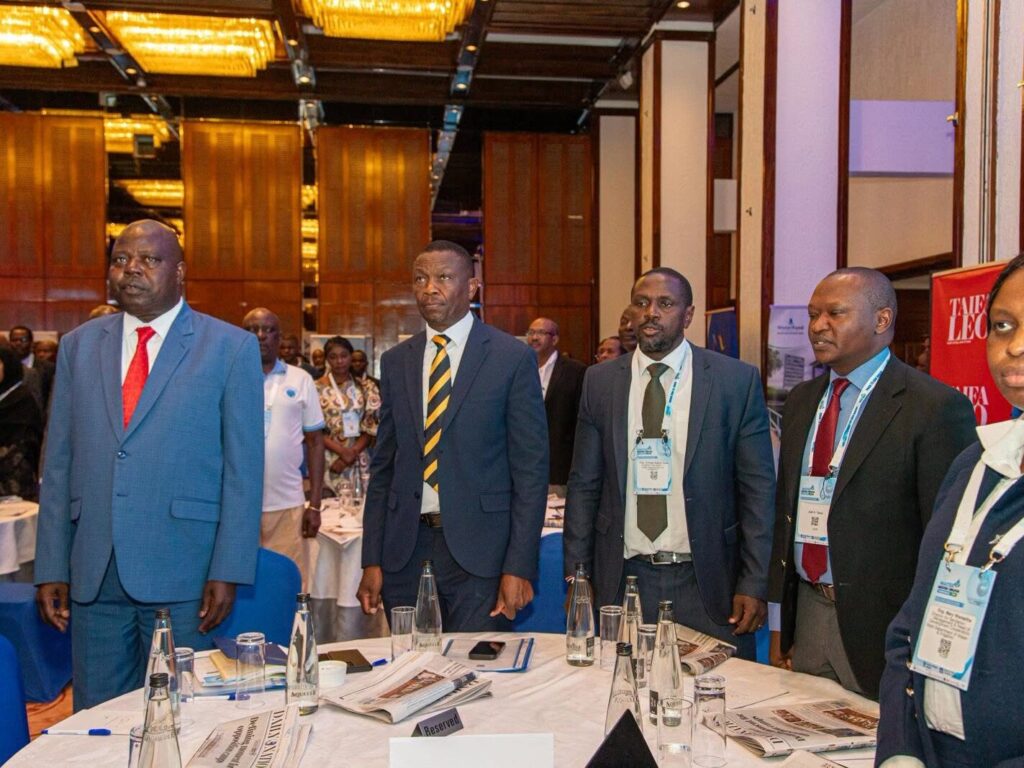
Speaking during the second edition of the Water, Sanitation and Irrigation Conference in Nairobi on Friday, October 23, Manyasi said the law had largely concentrated on sewerage systems, leaving important questions around other forms of sanitation inadequately addressed.
“The Water Act currently has focused largely on sewage,” he said.
His remarks highlighted a challenge facing Kenya as it seeks to improve sanitation coverage: households can use toilets and other on-site facilities without being connected to a public sewer network, but the waste generated must still be safely collected, transported, treated and disposed of.
Where these stages are poorly managed, wastewater and faecal sludge can contaminate groundwater, rivers and other sources relied upon by communities. The risks are particularly important in densely populated settlements where sanitation infrastructure may not keep pace with population growth.
On-site sanitation includes facilities such as pit latrines and septic tanks. Although these systems provide alternatives where sewer networks are unavailable, they require effective regulation and supporting services to ensure that waste does not become a public health or environmental hazard.
A review of the legal framework could help clarify responsibilities for managing these systems, strengthen oversight and support better coordination among institutions involved in sanitation services. It would also help policymakers consider sanitation beyond the construction of toilets, including what happens to waste after it leaves households.
The concerns come as Kenya continues to face gaps in wastewater collection and treatment infrastructure. Figures presented during the conference put sewered sanitation coverage at 16 per cent, underscoring the limited reach of conventional sewer networks and the need for complementary solutions.
Expanding sewer infrastructure remains important, particularly in urban areas, but it requires significant investment in pipelines, pumping stations and treatment facilities. On-site systems therefore remain an important part of sanitation provision, making their safe management essential to national sanitation goals.
The conference brought together stakeholders from the water, sanitation and irrigation sectors to discuss policy priorities, financing and service delivery ahead of the United Nations Water Conference scheduled for Abu Dhabi in December 2026.
Beyond infrastructure investment, Manyasi’s call points to the importance of ensuring that legislation keeps pace with the different ways people access sanitation services. Stronger laws, adequate treatment capacity and effective enforcement will be necessary to reduce pollution risks and protect public health.
For communities without sewer connections, improving sanitation will depend not only on access to toilets but also on reliable systems for managing the waste those facilities produce.