Explainer: Why do water shortages happen even during rainy season?
Rainfall is often associated with improved water availability, replenished rivers and full reservoirs. However, across many parts of Kenya, households continue to experience water shortages even during rainy seasons. Despite receiving rainfall, some communities still face rationing, unreliable supply and rising costs of obtaining water, raising questions about why the rains do not always translate into reliable water services.
The problem is largely linked to the country’s capacity to capture, store, treat and distribute available water. Inadequate storage infrastructure, growing demand, ageing distribution networks, catchment degradation and uneven rainfall patterns all contribute to the persistent shortages.
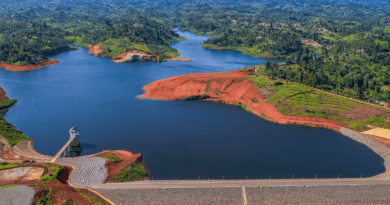
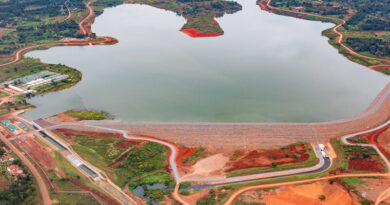
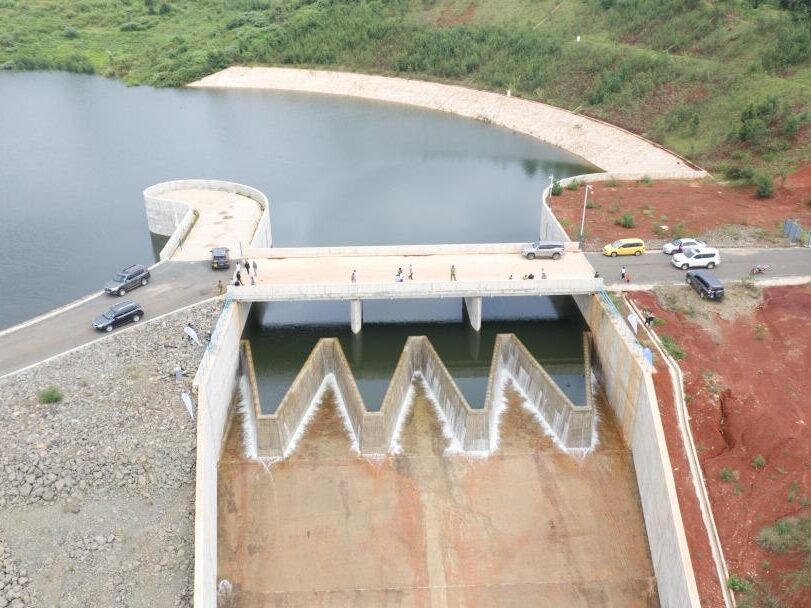
One of the major challenges is inadequate water storage. Although rainfall replenishes rivers and other water sources, significant volumes flow downstream without being captured for future use. Dams, reservoirs and water pans are essential in storing excess water during rainy periods and making it available when rainfall declines. However, limited storage capacity in some regions leaves communities vulnerable to seasonal changes.
Kenya’s growing population and expanding urban centres have also increased pressure on existing water resources. Cities such as Nairobi continue to experience rising demand as residential developments, industries, institutions and businesses require more water. When demand exceeds the amount that water utilities can produce and distribute, rationing becomes necessary. Consequently, even when rivers and reservoirs receive additional water from rainfall, consumers may not experience an immediate improvement in supply.
Infrastructure limitations further complicate the situation. Water must pass through several stages before reaching households, including abstraction, treatment, transmission and distribution. Breakdowns, ageing pipelines, inadequate pumping capacity and maintenance challenges can interrupt this process. In some areas, the challenge is not necessarily the absence of raw water but the inability to move sufficient treated water through existing infrastructure to meet demand.
Another major concern is non-revenue water, which refers to water that is lost or unaccounted for before reaching consumers. Physical leakages, illegal connections and inaccurate metering contribute to these losses. The high levels of water lost within distribution networks reduce the volumes available to consumers and affect the financial performance of utilities. Reducing these losses through pipeline rehabilitation, improved metering and better monitoring could help utilities serve more customers without necessarily increasing water production.
The condition of water catchments also influences how much rainfall eventually becomes available for use. Forests, wetlands and other natural ecosystems help regulate water movement by supporting infiltration, groundwater recharge and the gradual release of water into rivers. However, deforestation, land degradation, encroachment and unsustainable agricultural activities interfere with these natural processes.
When catchments deteriorate, rainfall can generate increased surface runoff instead of adequately replenishing groundwater and sustaining river flows. Soil erosion also increases sedimentation in rivers and reservoirs, affecting water quality and raising treatment costs. Protecting catchment areas is therefore important not only for environmental conservation but also for maintaining reliable water supplies.
Climate variability presents another challenge. Rainfall is not evenly distributed across Kenya or throughout the rainy season. Some areas experience intense rainfall over short periods, followed by extended dry spells. Others receive insufficient rainfall despite the onset of the rainy season. This makes water planning difficult, particularly in communities that depend on seasonal rivers, shallow wells and limited storage facilities.
Managing these challenges requires coordinated action from institutions responsible for water resources, environmental protection and water service delivery. The Water Resources Authority (WRA) regulates the abstraction and use of surface and groundwater, issues water permits and monitors compliance with water-resource requirements. The Water Services Regulatory Board (WASREB) oversees water service providers, monitors their performance and sets standards for water supply and sewerage services.
The National Environment Management Authority (NEMA) plays a role in protecting water sources through environmental regulation and pollution control, while the Ministry of Water, Sanitation and Irrigation provides policy direction and coordinates the sector. Other institutions, including the National Water Harvesting and Storage Authority, Water Works Development Agencies, county governments and Water Resources Users Associations, contribute to developing infrastructure, managing local water services and protecting catchments.
These responsibilities are interconnected because improving water availability requires both sustainable management of natural resources and investment in infrastructure. While regulatory institutions oversee how water is used and services delivered, infrastructure agencies and utilities must ensure that available resources can be captured, treated and supplied to consumers.
Addressing the shortages will require increased investment in dams, reservoirs and water treatment facilities, alongside rehabilitation of ageing distribution networks. Water utilities also need to strengthen monitoring systems, reduce leakages and improve operational efficiency to ensure that more treated water reaches consumers.
Catchment protection must equally remain a priority. Conserving forests, wetlands, riverbanks and groundwater recharge areas can improve the natural storage and regulation of water. Community participation through Water Resources Users Associations can also support local conservation efforts and encourage responsible use of shared water resources.
For households and institutions, rainwater harvesting provides an additional opportunity to supplement conventional water supplies. However, such measures cannot replace the need for adequate public storage, treatment and distribution infrastructure.
Ultimately, Kenya’s water shortages are not simply a question of how much rain falls. They reflect the country’s ability to manage rainfall, protect water sources, store available resources and deliver treated water to consumers. Until these challenges are addressed together, rainy seasons alone will not guarantee reliable water supplies for households, businesses, farmers and institutions.