Audit puts irrigation projects and Water management under spotlight
The State Department for Irrigation has been urged to address issues raised during an external audit of its financial transactions and operations for the 2025/26 financial year, as scrutiny of public expenditure remains important to the delivery of irrigation projects and water management programmes across the country.
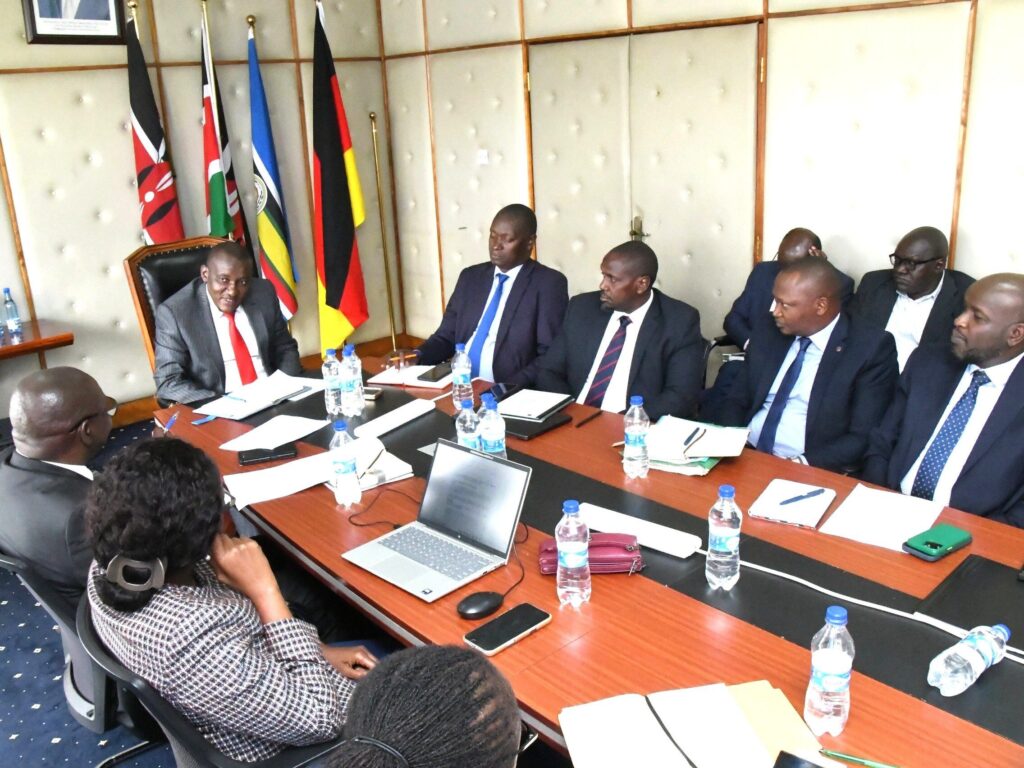
Principal Secretary for Irrigation CPA Ephantus Kimotho made the remarks during an exit meeting with an audit team from the Office of the Auditor-General, which has been examining the department’s systems and financial transactions since June 2026.
The team, led by Director of Audit Wilson Maiyo and Deputy Director of Audit Khadija Alugong, called on the department to respond promptly to the issues identified before the final management letter is issued.
Kimotho described audits as an important institutional assessment tool, saying they allow public institutions to evaluate their performance and establish whether they are complying with applicable standards, regulations and legal frameworks.
He likened the exercise to a health check, noting that it provides an opportunity to identify weaknesses, improve internal systems and strengthen accountability in the management of public resources.
The audit comes as the State Department oversees programmes involving irrigation development, water harvesting and storage, land reclamation, drainage and the management of irrigation schemes. These interventions are central to efforts to expand agricultural production, improve food security and strengthen resilience to unreliable rainfall.
Among the department’s programmes are community-based irrigation projects, the Drought Resilience Programme in Northern Kenya, the Small Holder Irrigation Programme in Mt Kenya, the Micro-Irrigation Programme for Schools and household irrigation water harvesting initiatives.
The National Irrigation Authority is also implementing the National Expanded Irrigation Programme, which seeks to increase the area under irrigation through community projects and the rehabilitation and expansion of existing public schemes. The Authority reports that 228,731 acres have been brought under irrigation through the programme across 44 counties.
The scale of these interventions makes financial accountability important, particularly in ensuring that funds allocated to dams, water pans, irrigation canals, drainage systems and other infrastructure are properly managed and projects deliver their intended benefits.
Effective oversight is also necessary because irrigation development depends on the availability and sustainable use of water resources. Water harvesting and storage infrastructure must support agricultural needs while taking account of water availability, competing demands and changing climatic conditions.
Kimotho also commended the State Department’s internal audit team, describing it as active and robust in carrying out its oversight responsibilities.
He said the team conducts post-audits of departmental programmes and projects while providing assurance to the accounting officer on governance, internal controls and risk management.
The internal audit function supports continuous monitoring of departmental activities, while the external audit provides an independent assessment of financial transactions and institutional compliance.
As the current audit exercise approaches completion, the department is expected to respond to the issues raised by the auditors. The final management letter will provide a basis for addressing the observations and strengthening systems used to oversee public programmes.
The outcome will be important in reinforcing accountability in the implementation of irrigation projects and the management of resources intended to support agricultural development and water security.