The County Government of Kajiado has partnered with Habitat for Humanity Kenya to advance affordable housing, improve access to water and sanitation services and strengthen community resilience through a new development cooperation agreement.
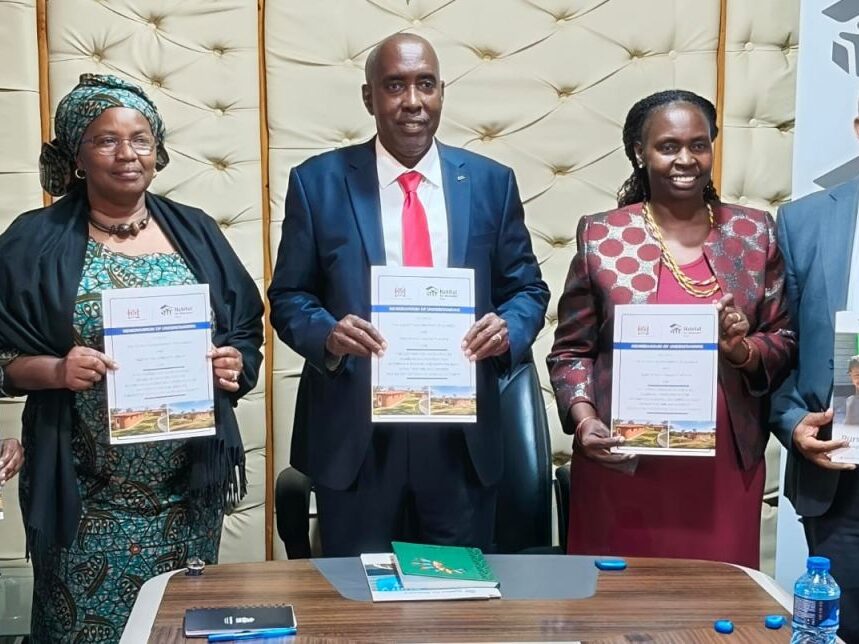
The partnership was formalised through a Memorandum of Understanding (MoU) signed at the Governor’s Office, establishing a framework for joint interventions targeting housing challenges, land governance, water, sanitation and hygiene (WASH), climate adaptation and livelihood development.
The agreement brings together the county government and Habitat for Humanity Kenya in an initiative aimed at improving living conditions, particularly among vulnerable households and communities facing housing and basic services challenges.
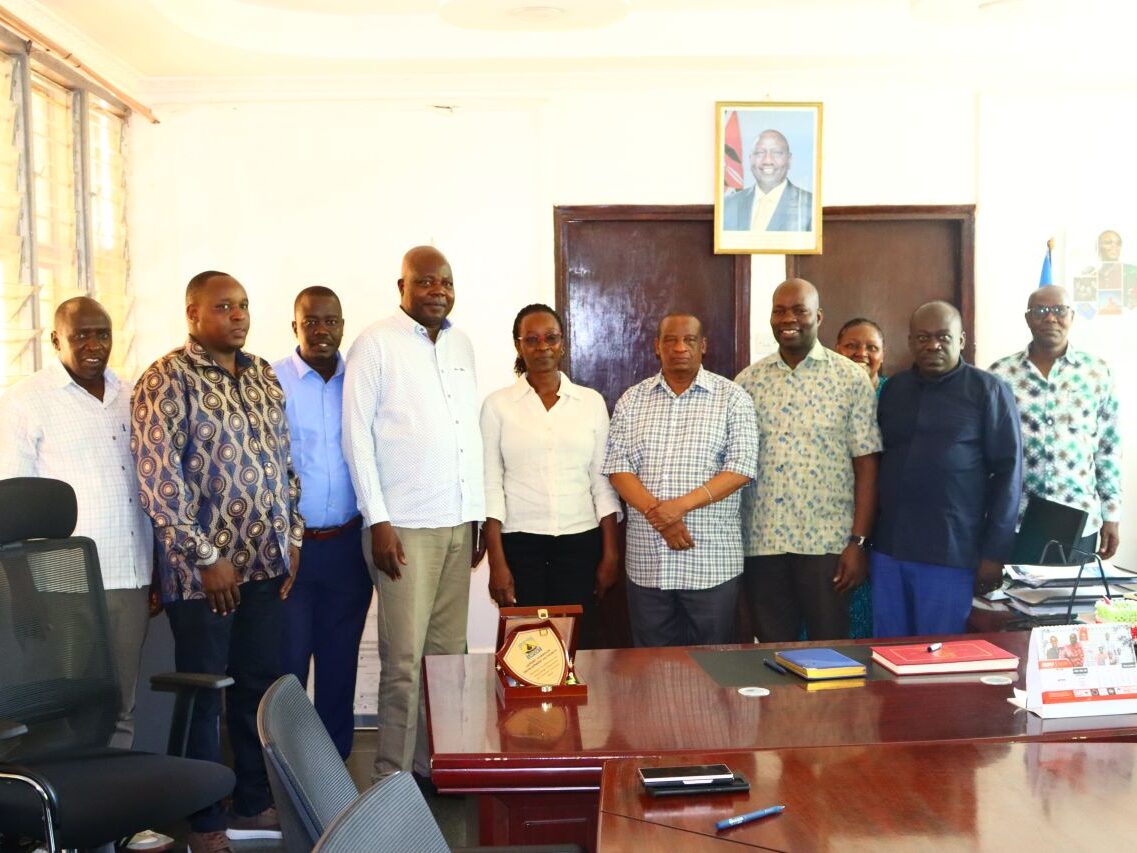
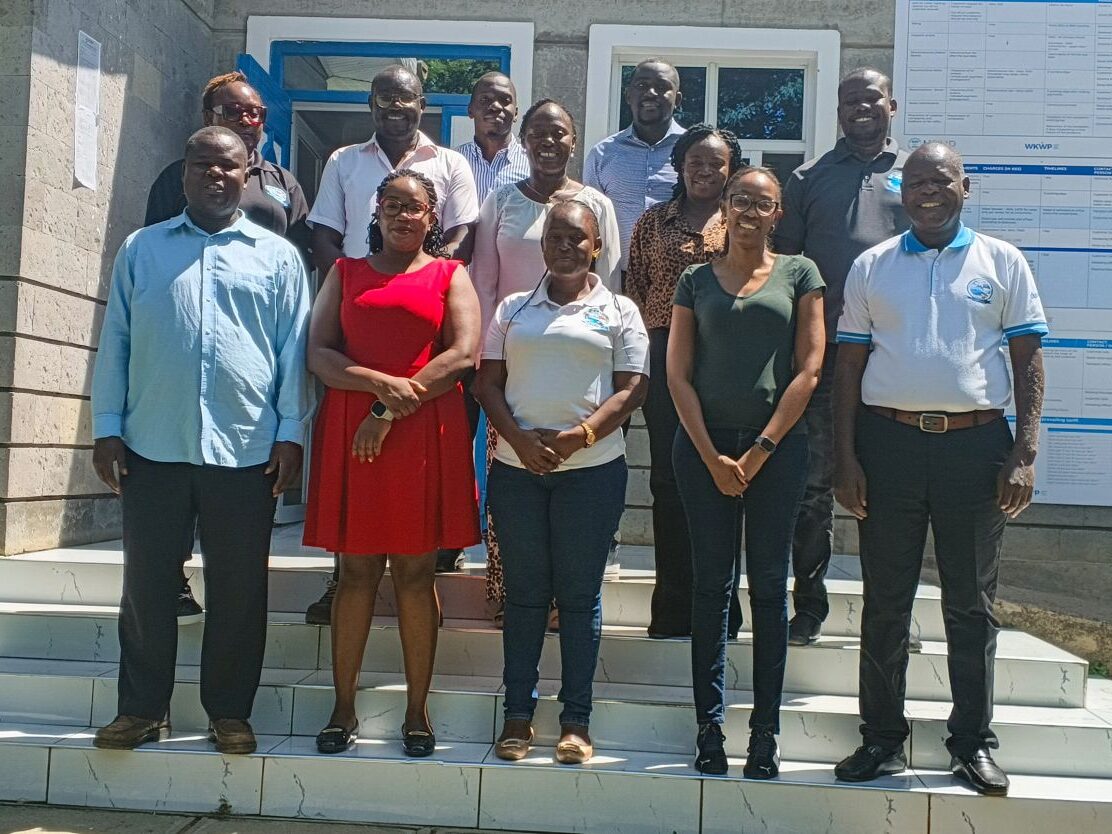
Kajiado Governor Joseph Ole Lenku and Habitat for Humanity Kenya National Director Dr Eileen Mokaya led the signing ceremony, which was also attended by the Office of the First Lady, represented by Edna Lenku, and County Executive Committee Member for Lands, Physical Planning, Urban Development, Housing and Municipalities Hamilton Parseina, alongside other officials from both institutions.
Under the agreement, the two partners will pursue low-cost and culturally responsive housing solutions that reflect the needs, lifestyles and circumstances of communities in Kajiado.
The collaboration also places water, sanitation and hygiene among its key priorities, recognising that access to decent housing must go hand in hand with reliable basic services and healthier living environments.
An important component of the partnership is improving land tenure and governance, which can help households and communities secure greater confidence in land ownership and housing development. The partners will also explore innovative shelter solutions and approaches to making construction more affordable without compromising safety, durability and cultural suitability.
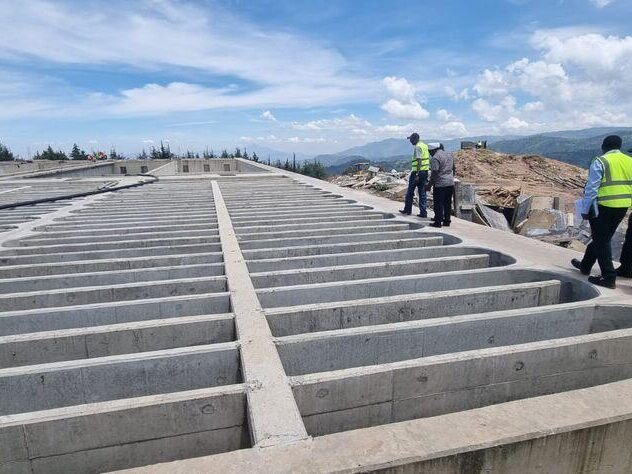
The WASH component is particularly significant for Kajiado, where water access remains a major development challenge. The county has previously identified a substantial gap between water demand and available supply, making investment in water infrastructure and improved management an important priority.
The county has reported daily water demand of approximately 80,000 cubic metres against an available supply of about 30,000 cubic metres, highlighting the scale of the infrastructure and service-delivery challenge.
Habitat for Humanity Kenya’s approach to housing integrates access to basic services, including safe water, sanitation and hygiene, rather than treating shelter as an isolated intervention. This integrated approach is relevant to communities in Kajiado, where housing improvements need to be supported by reliable water sources, appropriate sanitation facilities and infrastructure capable of withstanding changing climatic conditions.
The agreement also extends beyond housing and WASH to address climate adaptation and the resilience of pastoralist communities. The two institutions intend to support initiatives that strengthen household livelihoods, promote economic opportunities and help communities cope with climate-related challenges.
This is particularly important in Kajiado, where pastoralism remains a major source of livelihood and communities are exposed to recurrent droughts, water shortages and pressure on natural resources.
Youth development will also feature in the collaboration through skills training and market-based interventions. These initiatives are expected to create opportunities for young people to acquire practical skills, participate in housing-related economic activities and contribute to the development of local construction supply chains.
Habitat for Humanity Kenya has promoted alternative construction technologies, including interlocking stabilised soil blocks and other climate-resilient building approaches, as ways of reducing construction costs while improving housing quality. The organisation also supports artisan training to strengthen local capacity in affordable construction.
The new agreement builds on earlier engagement between the two institutions to explore cooperation in affordable housing, water services, land tenure, waste management, urban infrastructure and technical skills development.
The signing of the MoU now provides a framework for advancing that cooperation through coordinated interventions involving the county government, development partners and local communities.
For Kajiado, the partnership presents an opportunity to connect housing development with water infrastructure, sanitation, land governance and livelihood programmes rather than addressing these challenges independently.
The success of the arrangement will depend on how the two institutions translate the agreement into funded programmes, implementable projects and measurable improvements in household living conditions.
Ultimately, the collaboration is expected to contribute to more affordable housing, better access to essential services and stronger community resilience, particularly among households that face difficulties accessing decent shelter and reliable basic infrastructure.