


Kenyan water utilities are exploring sanitation levies as an alternative source of financing to expand waste management services, improve sanitation infrastructure and support private-sector operators amid persistent funding constraints in the sector.
The proposed financing approach is gaining attention as water service providers seek more predictable revenue streams to support sanitation activities, particularly in areas where conventional sewer networks are either unavailable or insufficient to meet growing demand.
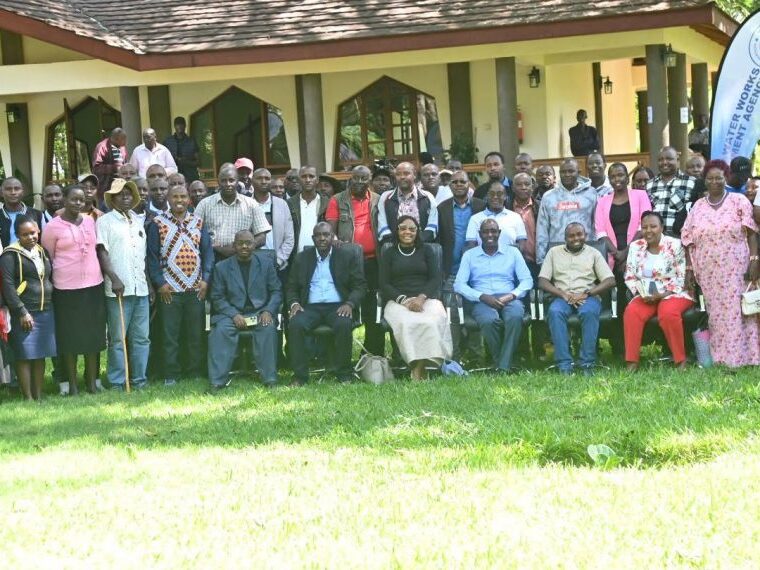
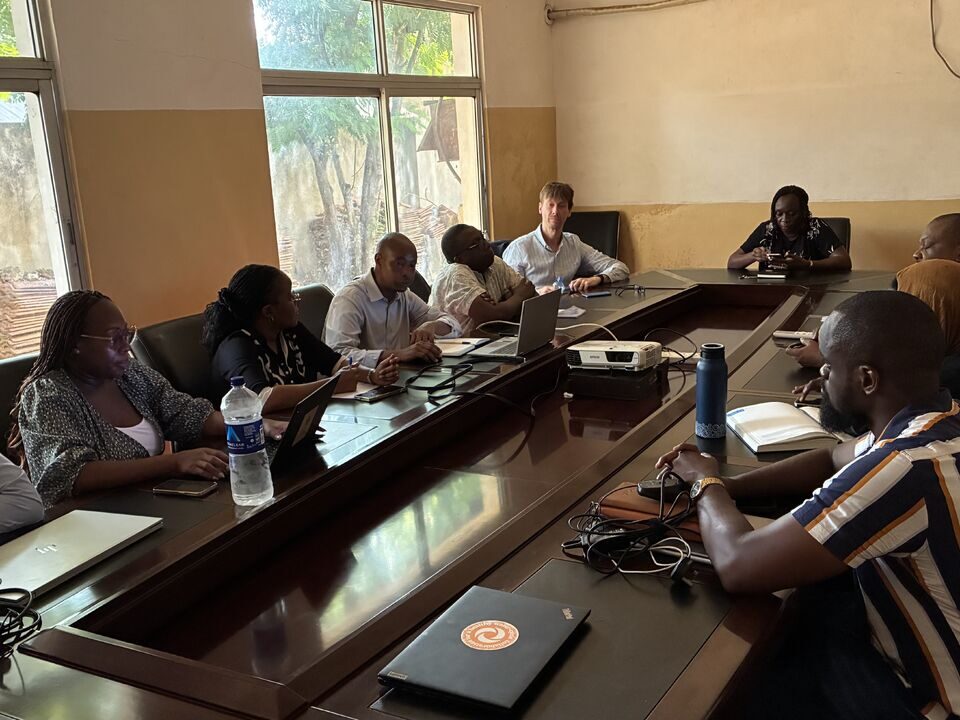
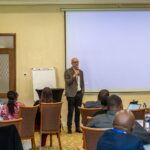
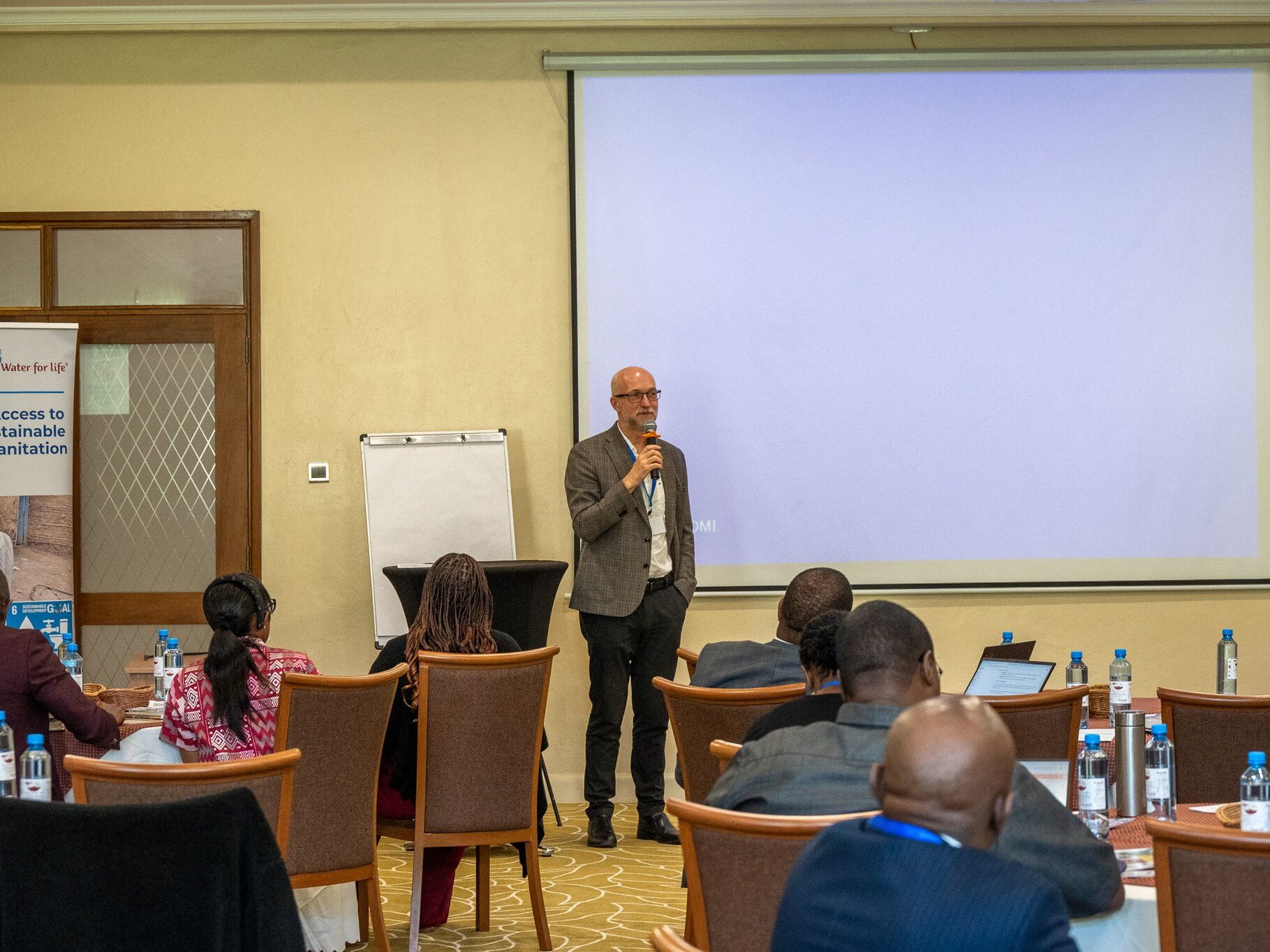
The issue took centre stage during a knowledge-sharing workshop convened by the Water Services Regulatory Board (WASREB), VEI and Dunea through the WaterWorX programme. The meeting brought together water utilities, development partners and private-sector organisations to exchange experiences on developing and implementing sanitation levies as a way of strengthening the financial sustainability of sanitation services.
Nakuru Water and Sanitation Services Company (NAWASSCO) shared its experience of moving from preliminary studies to securing regulatory approval for a sanitation levy. Its presentation highlighted the processes involved in developing a financing mechanism that can provide dedicated resources for sanitation service delivery.
Naivasha Water and Sanitation Company also presented its experience implementing a 5 per cent sanitation levy, offering insights into how the additional revenue mechanism can support sanitation operations. Meanwhile, Malindi Water and Sewerage Company outlined progress in advancing an application aimed at addressing financing gaps in non-sewered sanitation services.
The experiences demonstrated how different utilities are approaching sanitation financing based on their operational needs, regulatory processes and existing service delivery arrangements.
A major concern discussed during the workshop was the financing of non-sewered sanitation, which serves households and businesses that are not connected to conventional sewer networks. These communities often depend on pit latrines and septic tanks, requiring regular emptying, transportation and treatment of collected waste.
Unlike centralised sewerage systems, non-sewered sanitation involves several service providers across the waste management chain. Sustaining these operations requires financing for equipment, transportation, treatment facilities and safe disposal, costs that can be difficult to recover through existing service charges.
The participation of private-sector organisations was therefore central to the discussions, particularly on how sanitation levies could help support service providers operating outside conventional sewerage infrastructure.
Sanergy shared its experience in circular sanitation and resource recovery, while Sanivation and FINISH Mondial contributed perspectives on sanitation service delivery and approaches to mobilising additional financing. Their contributions highlighted opportunities to transform sanitation waste into useful resources while developing commercially sustainable waste management services.
Circular sanitation provides an opportunity to recover valuable materials from waste and convert them into products that can support other economic activities, including agriculture. Such approaches can reduce the burden of waste disposal while creating additional revenue opportunities for sanitation enterprises.
The workshop also highlighted the importance of cooperation between water utilities, regulators, development partners and private-sector operators in ensuring that sanitation financing arrangements translate into practical investments and improved services.
WASREB’s regulatory role is particularly important in guiding utilities through the processes involved in introducing sanitation levies and ensuring that proposed charges are supported by appropriate regulatory approval and implementation arrangements.
For utilities, the development of dedicated sanitation financing mechanisms could help reduce dependence on unpredictable funding and provide resources for expanding services to underserved communities. It could also create opportunities for private operators to participate more actively in waste collection, transportation, treatment and resource recovery.
The discussions come as Kenya continues to face significant sanitation infrastructure and financing challenges, particularly in rapidly growing urban centres and informal settlements where sewerage coverage remains limited. Expanding conventional sewer networks requires substantial capital investment, making improvements in non-sewered sanitation equally important in addressing the country’s wider sanitation needs.
The experiences from Nakuru, Naivasha and Malindi demonstrate different stages of the process, from regulatory approval and implementation to efforts to secure financing for underserved sanitation services.
However, the effectiveness of sanitation levies will depend on how the revenue is collected, managed and directed towards service improvements. Clear accountability, appropriate regulatory oversight and coordination among service providers will be necessary to ensure that additional charges deliver measurable benefits to households and communities.
The workshop was attended by representatives from WASREB, VEI and Dunea through the WaterWorX programme, alongside utilities and sanitation-sector partners. The discussions reinforced the need to develop sustainable financing models that recognise the role of both public utilities and private enterprises in delivering safe sanitation.