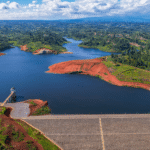

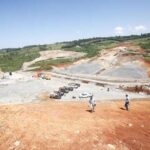


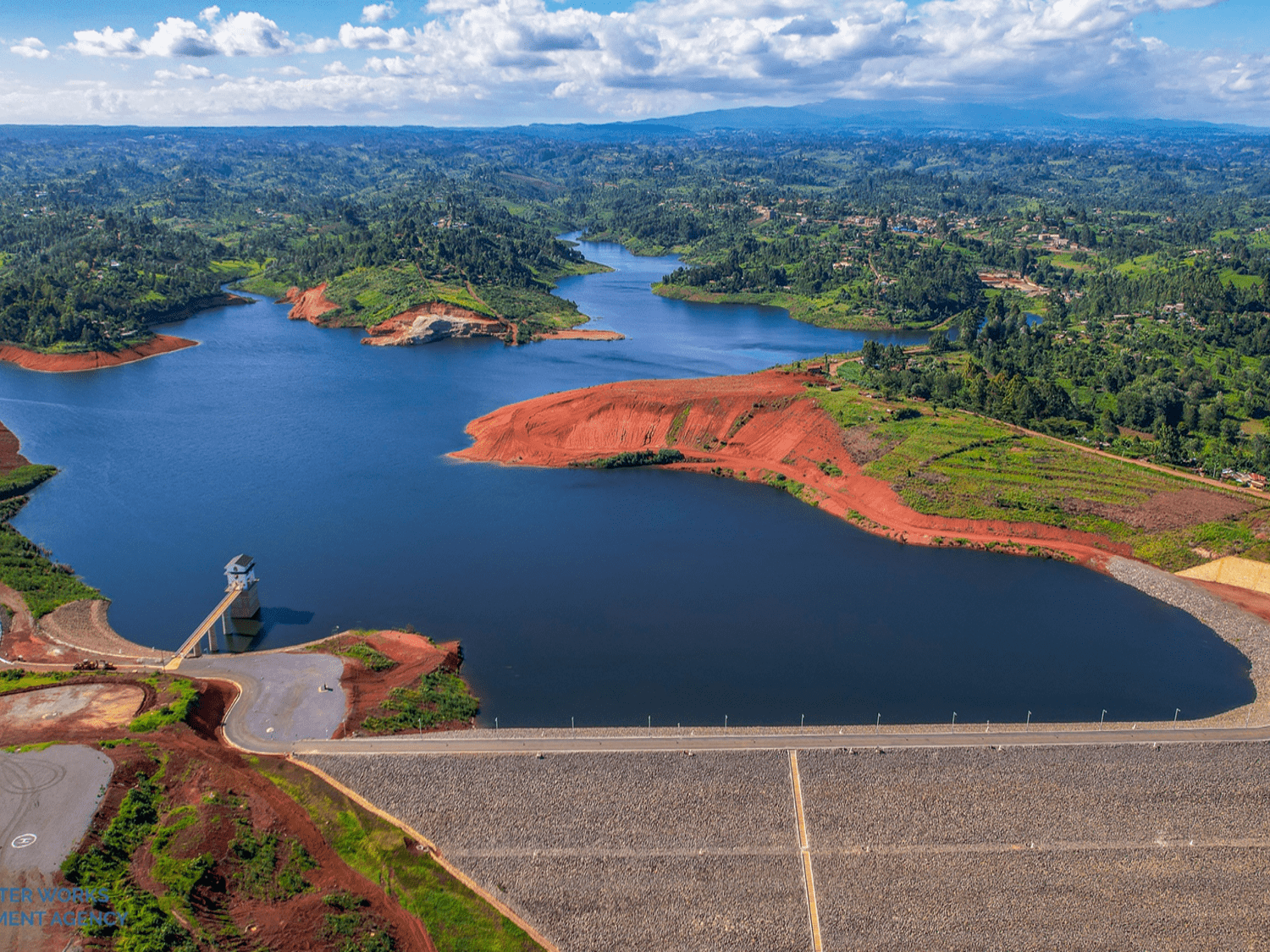
Karimenu Dam (also known as Karimenu II Dam) is located in Gatundu North sub-county within Kiambu County, Kenya
Africa could generate an estimated US$200 billion in additional economic value annually by investing in water security, sanitation and climate resilience, according to a new report by Boston Consulting Group (BCG), which identifies growing water risks as both an economic threat and a major investment opportunity for the continent.
The report, titled From Crisis to Resilience: Turning Africa’s Water Risk into a Sustainable Growth Opportunity, published on November 25, 2026, argues that improving water infrastructure and expanding access to safe water and sanitation could strengthen economic productivity, protect livelihoods and support long-term development across African countries.
BCG estimates that more than 400 million people across Africa lack access to safe drinking water, while approximately 800 million do not have access to basic hygiene services. These gaps continue to affect public health, economic activity and workforce productivity, particularly in communities where infrastructure development has failed to keep pace with population growth.
The report estimates that inadequate sanitation costs African economies approximately US$200 billion annually in lost economic value. However, achieving universal access to water, sanitation and hygiene services could generate economic benefits equivalent to approximately 5 per cent of the continent’s gross domestic product (GDP).
To achieve the continent’s water and sanitation targets under Sustainable Development Goal 6, BCG estimates that Africa requires approximately US$50 billion in annual investment by 2030. Current investment flows stand at about US$20 billion, leaving a financing gap of approximately US$30 billion every year.
The report argues that closing this gap would deliver benefits beyond improved access to essential services, including better health outcomes, increased agricultural production, stronger industrial development and improved economic competitiveness.
Climate change is also increasing the urgency of investment, with flooding, prolonged droughts and deteriorating water quality placing additional pressure on African economies.
In 2024, severe flooding affected approximately 11 million people across 27 African countries, resulting in around 2,500 deaths and four million displacements. The report further estimates that African economies spend between 2 and 5 per cent of their GDP annually responding to climate extremes, resources that could otherwise support development and productive economic activities.
BCG identifies flood protection, improved drainage systems, water storage, drought preparedness and better water-resource management as some of the critical areas requiring investment to strengthen resilience.
Kenya features prominently in the report’s assessment of drought-related investment requirements. The analysis estimates that the ten African countries facing the highest drought risks collectively require approximately US$1.2 billion in investment by 2030 to strengthen their resilience.
Kenya and South Africa account for approximately 70 per cent of the identified investment requirement, reflecting the concentration of drought exposure and the need to strengthen water supply reliability.
The report recommends investments in diversified water sources, efficient distribution networks, groundwater management, water reuse and early-warning systems to reduce vulnerability to prolonged dry periods.
It also identifies opportunities to address several water-related challenges through integrated infrastructure investments rather than isolated projects. Such interventions could simultaneously improve water availability, reduce flood damage and protect water quality.
In Kenya, for example, enterprises such as Sanergy demonstrate how sanitation challenges can create economic opportunities through resource recovery. The company converts sanitation waste into useful products, including organic fertiliser and animal feed, linking waste management with enterprise development and employment creation.
Beyond individual projects, BCG argues that attracting sufficient investment will require governments to develop coordinated programmes that can attract public and private financing. It identifies fragmented project implementation, inadequate institutional coordination and limited project preparation capacity as obstacles to scaling up water infrastructure development.
The report points to blended financing, public-private partnerships, development finance and financial guarantees as possible approaches to mobilising additional capital, particularly for projects that generate significant public benefits but may not provide immediate commercial returns.
It also highlights the Africa Water Investment Programme, which has mobilised more than US$7.5 billion for climate-resilient water and sanitation investments across several African countries and regional blocs.
BCG argues that the next phase of Africa’s water development will depend on turning identified risks into well-prepared investment opportunities with clear responsibilities, measurable outcomes and effective implementation arrangements.
The findings place water security at the centre of Africa’s wider economic development agenda, suggesting that investment in reliable water supplies, sanitation and climate-resilient infrastructure could deliver returns across agriculture, industry, healthcare and other productive sectors.
For African countries, the challenge is therefore not only expanding access to water but also building systems capable of withstanding climate pressures while supporting growing populations and economic activity.
The estimated US$200 billion annual opportunity underscores the economic value of addressing the continent’s water challenges, although realising those gains will depend on sustained financing and the ability to deliver infrastructure at scale.