





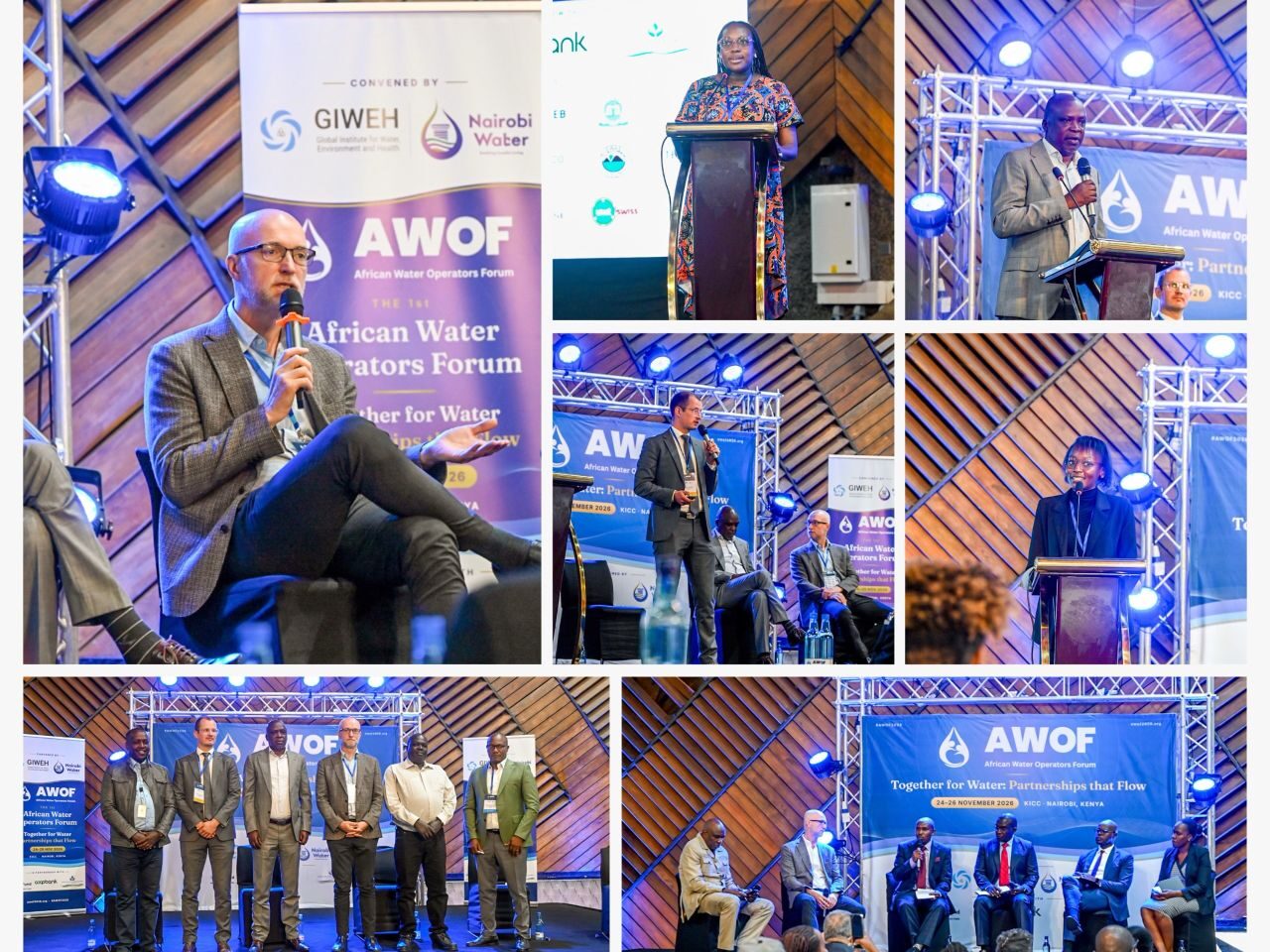
Kenyan water utilities are increasingly being challenged to improve operational efficiency, strengthen their financial positions and prepare for climate-related risks as the country seeks to expand access to reliable water and sanitation services.
The challenges have renewed attention on how water service providers manage their resources, generate revenue, attract investment and maintain infrastructure amid rising demand and changing weather patterns.
Discussions involving Kenyan water companies and international development partners have highlighted utility efficiency, commercial financing, bankability and climate change as critical issues shaping the future of the water sector.
One of the major concerns is the financial and operational performance of water service providers. Utilities are expected to supply reliable water, maintain distribution networks, manage wastewater and extend services to underserved communities. However, achieving these responsibilities requires sufficient revenue, effective management and sustained investment in infrastructure.
Improving utility efficiency is therefore important in ensuring that available resources translate into better services. Water companies need to strengthen revenue collection, improve billing systems, manage operating costs and reduce losses arising from leaking pipes, illegal connections and inaccurate water metering.
Non-revenue water remains a significant challenge for Kenya’s water sector, with treated water lost through physical leakages, commercial losses and unbilled consumption limiting the amount of revenue utilities can recover. Reducing these losses can help providers increase the volume of water available to paying customers without necessarily investing in additional production capacity.
Water companies also need to improve the management of their distribution infrastructure, adopt modern monitoring technologies and strengthen customer service systems. These measures can improve accountability while helping utilities identify operational weaknesses and direct investments towards areas with the greatest impact.
The financial sustainability of water utilities is equally important because the cost of developing and maintaining water infrastructure continues to require substantial investment. Governments and development partners have traditionally played a major role in financing water projects, but the scale of investment required has increased interest in commercial financing and alternative funding arrangements.
Commercial financing could provide water companies with additional resources to expand treatment facilities, construct distribution networks, rehabilitate ageing infrastructure and improve sanitation services. However, accessing such funding requires utilities to demonstrate that they can manage borrowed funds and generate sufficient revenue to meet their financial obligations.
This is where bankability becomes important. Financial institutions assess the ability of a utility to repay loans, maintain stable cash flows and manage operational and financial risks before committing funding.
Water providers therefore need credible business plans, transparent financial records, effective governance structures and reliable revenue collection systems to attract lenders. Without these conditions, even projects with significant public benefits may struggle to secure commercial investment.
The challenge is particularly important for smaller water companies serving rural and rapidly growing urban areas, where household incomes, infrastructure costs and the ability to recover service charges can affect financial performance.
Partnerships between utilities, financial institutions, governments and development organisations can help address some of these constraints. Technical assistance can strengthen financial management, improve operational performance and prepare utilities to develop investment proposals that meet lenders’ requirements.
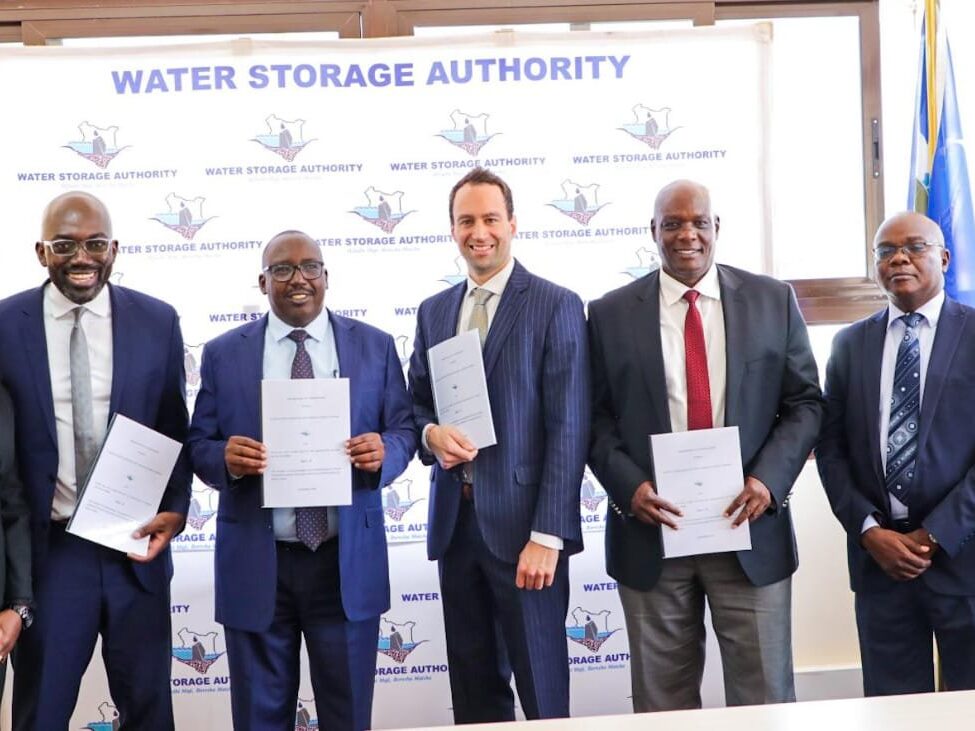
International cooperation programmes are also being used to support improvements in the management and financing of water services in Kenya.
The WaterWorX programme, involving VEI and Kenyan water service providers, is one of the initiatives through which utilities receive support to strengthen their operational and institutional capacity. Other programmes highlighted by VEI include Water as Leverage and the Urban Water Catalyst Initiative, which focus on developing approaches to address water challenges in urban environments.
Climate change presents another major challenge for water utilities, particularly as prolonged droughts, changing rainfall patterns and extreme weather events affect the availability and reliability of water resources.
Kenya’s dependence on rainfall-sensitive water sources exposes utilities to fluctuations in river flows, reservoir levels and groundwater recharge. During prolonged dry periods, water companies may experience reduced production, increased competition for available supplies and higher costs associated with pumping water from alternative sources.
Heavy rainfall and flooding also threaten water infrastructure by damaging pipelines, contaminating water sources, disrupting treatment operations and increasing the risk of sewage entering water supply systems.
These challenges make climate resilience an important consideration when planning new infrastructure and managing existing water systems.
Utilities need to incorporate climate risks into investment decisions, protect water catchment areas, diversify their sources of supply and strengthen infrastructure to withstand extreme weather conditions. Measures such as water storage, rainwater harvesting, wastewater reuse and improved groundwater management can also help communities and utilities cope with changing water availability.
The challenges are particularly pronounced in Kenya’s arid and semi-arid lands, where communities frequently experience prolonged water shortages and depend heavily on boreholes, seasonal rivers and water trucking.
VEI also highlighted its involvement in a new water programme with the Embassy of the Kingdom of the Netherlands in Kenya targeting ASAL areas. Such interventions are important in supporting water access in regions where conventional water supply systems face geographical, climatic and financial constraints.
The participation of Kenyan utilities including Nakuru Water and Sanitation Services Company, Kisumu Water and Sanitation Company, Naivasha Water and Sanitation Company and Homa Bay County Water and Sanitation Company in discussions on these issues reflects the importance of strengthening water service delivery across different regions.
The Water and Sanitation Providers Association also provides an industry platform through which utilities can address common operational, financial and institutional challenges.
Ultimately, improving the performance of Kenya’s water sector will require more than constructing additional treatment plants, dams and pipelines. Water providers must also become more financially sustainable, manage existing infrastructure efficiently and prepare for the growing effects of climate change.
Strengthening utility performance, improving access to commercial financing and investing in climate-resilient infrastructure will be important in ensuring that water companies can expand services while maintaining reliable supplies for households, businesses and institutions.