Kenya is looking to expand the use of blended and catalytic financing to attract more investment into water and sanitation infrastructure as traditional grant funding faces growing pressure amid rising development needs.
The proposed shift seeks to move the sector away from relying heavily on donor grants towards using available development resources to attract additional public and private capital, particularly for projects that struggle to secure commercial financing.
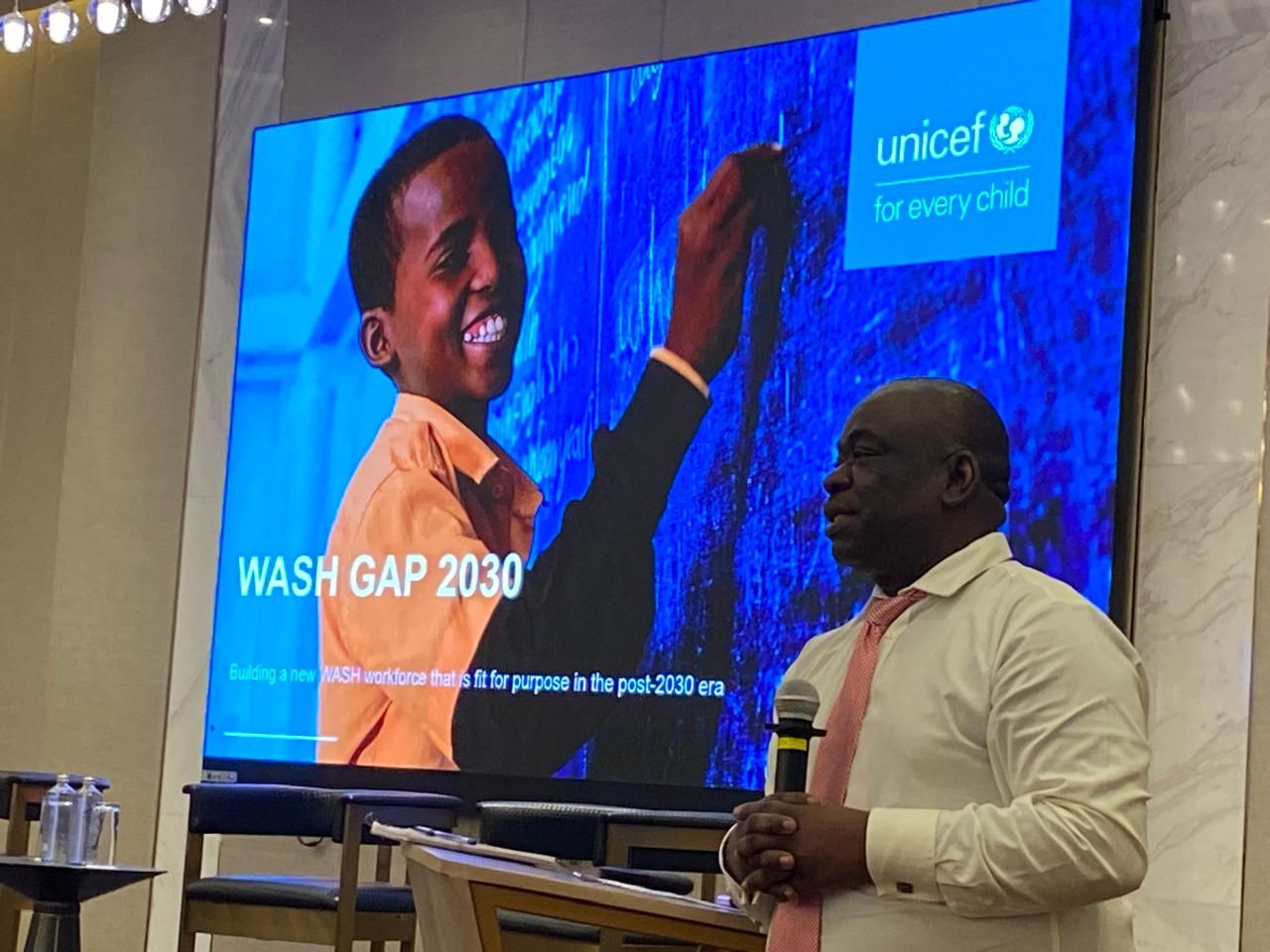
The approach was discussed during a UNICEF stakeholder engagement held on Wednesday, November 25, 2026, where the Kenya Innovative Finance Facility for Water (KIFFWA) presented its perspectives on financing water, sanitation and hygiene (WASH) projects in the country.
A key focus of the engagement was UNICEF’s proposed strategic direction under its WASHGAP strategy, which prioritises using limited grant resources to unlock larger investments rather than relying on grants as the primary source of project financing.
Under the proposed approach, development funding would increasingly support project preparation, investment structuring, risk reduction and institutional capacity building to make water and sanitation projects more attractive to investors.
Project preparation is particularly important because many infrastructure proposals struggle to attract financing before completing feasibility studies, technical assessments, financial planning and other requirements needed to demonstrate their viability.
The strategy also identifies blended finance as an important tool for reducing investment risks. By combining grants with concessional loans, guarantees and commercial capital, development partners can help make projects that would otherwise be considered too risky more attractive to private investors.
For Kenya, this approach could help address the financing constraints facing water utilities and sanitation service providers, particularly those seeking to expand infrastructure but lacking sufficient financial capacity to fund major investments.
KIFFWA, which supports the development of climate-resilient water and sanitation investments, highlighted the importance of preparing bankable projects and using financial instruments to bridge the gap between promising infrastructure proposals and investment-ready opportunities.
The facility’s work includes project preparation, investment structuring and de-risking mechanisms intended to attract additional financing into the water sector.
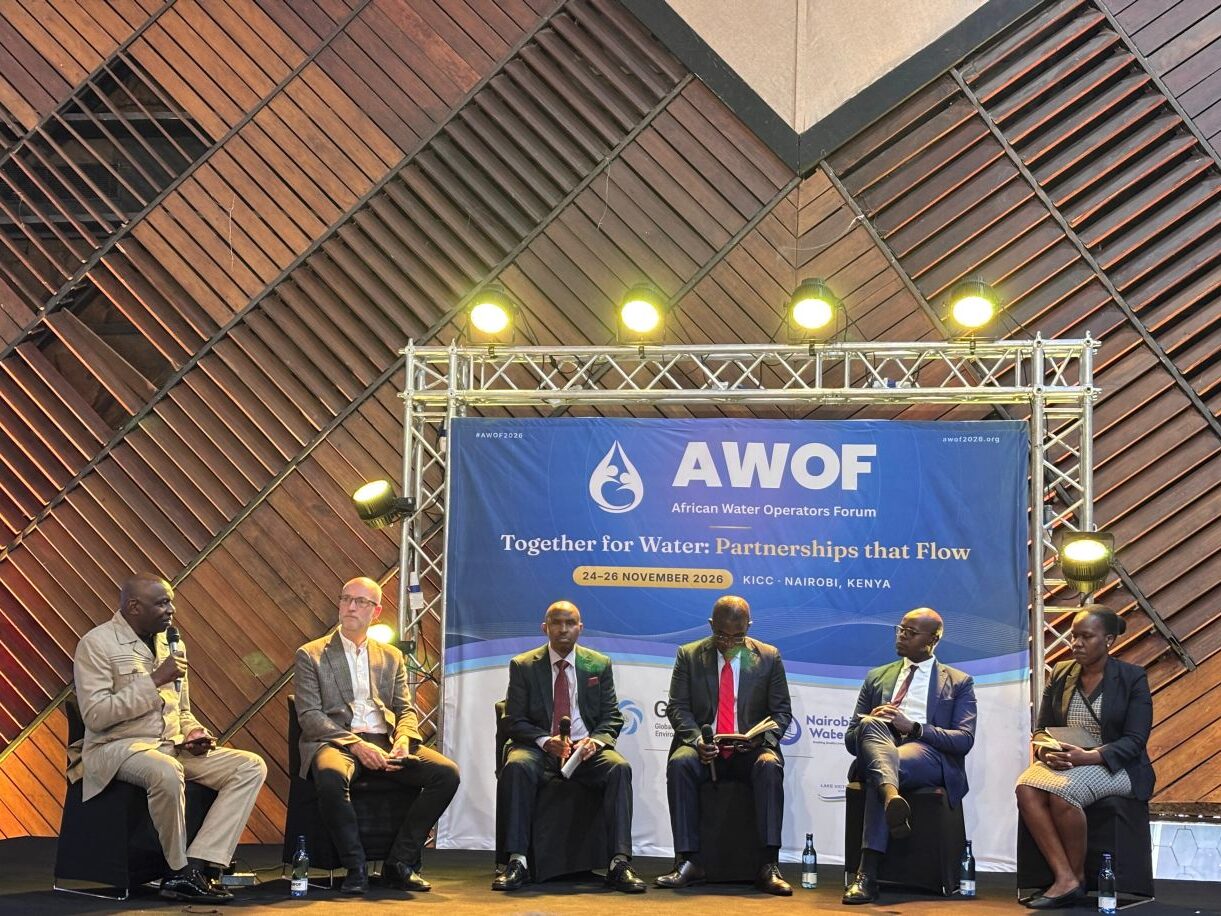
KIFFWA Chief Executive Officer Erik Labee also participated in a panel discussion on WASH financing, where stakeholders examined existing investment challenges and opportunities for collaboration to accelerate progress towards Sustainable Development Goal 6 (SDG 6), which seeks to ensure access to water and sanitation for all.
The discussions come against the backdrop of significant financing requirements in Kenya’s water and sanitation sector. The National Water and Sanitation Investment Programme (NAWASIP) estimates that the country requires approximately KSh995 billion between 2023 and 2030, leaving a financing gap of about KSh652 billion.
The funding requirements cover infrastructure development, expansion of water services, sanitation improvements and other investments needed to increase access to reliable services.
With traditional development assistance facing competing demands, mobilising additional domestic and private-sector financing is becoming increasingly important for closing the investment gap.
The proposed UNICEF approach therefore places greater emphasis on partnerships and co-investment, where development organisations, government institutions, financial institutions and private investors combine resources to support infrastructure development.
Institutional capacity and governance improvements are also central to the strategy, as investors require clear regulatory frameworks, accountable institutions and reliable project implementation arrangements before committing capital.
For Kenya, the shift towards catalytic financing could provide an opportunity to accelerate water and sanitation investments while making more effective use of available development resources.
The central message from the engagement was that achieving universal access to water and sanitation will require more than increasing grant funding. It will depend on how effectively existing resources are deployed to prepare projects, reduce investment risks and mobilise additional capital.