Water resources strengthen Kenya’s agricultural future
Water remains one of the most important resources in Kenya’s agricultural sector, supporting crop production, livestock keeping, food processing and the livelihoods of millions of people. With much of the country’s farming dependent on rainfall, reliable access to water has become increasingly important in sustaining agricultural production throughout the year.
Agriculture requires adequate and dependable water to support crop growth and maintain productivity, particularly in areas where rainfall is seasonal or unpredictable. Effective management and development of available water resources therefore provide an important foundation for strengthening food production and building resilience among farming communities.
Irrigation offers farmers an opportunity to supplement rainfall by providing water when natural precipitation is insufficient. This allows agricultural production to continue beyond the rainy seasons and reduces the risks associated with prolonged dry periods and changing weather patterns.
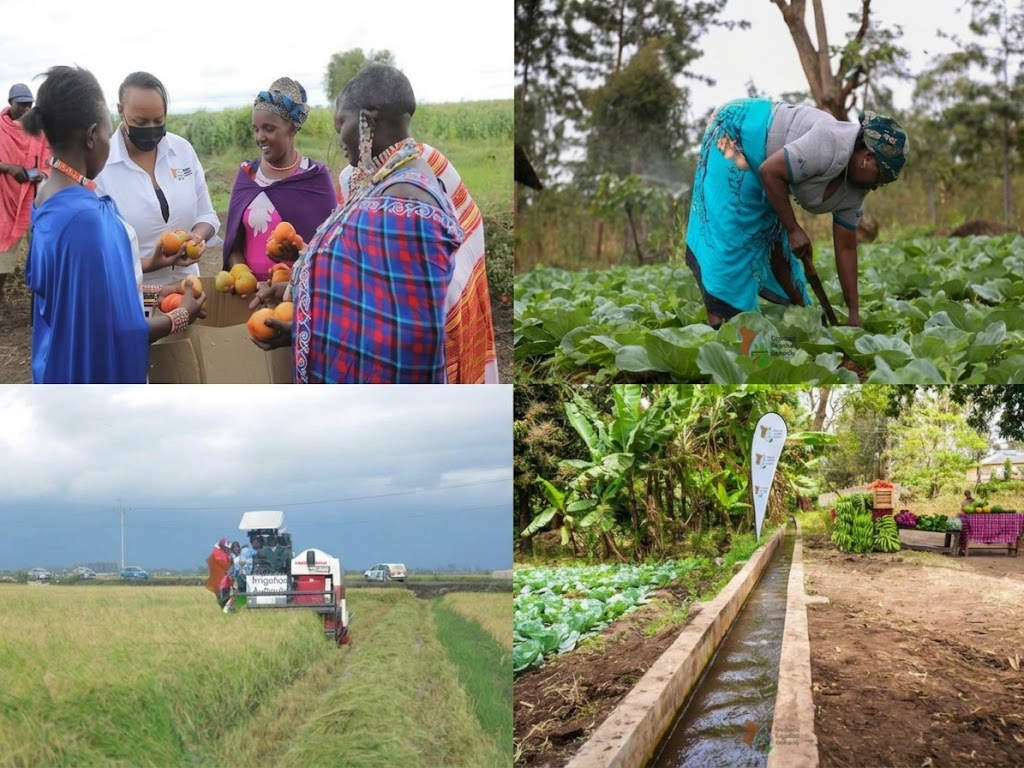
Across Kenya, irrigation schemes are demonstrating how access to reliable water can transform the way farmers approach agriculture. Through dependable water supply and technical advisory support from the National Irrigation Authority, farmers in various schemes are increasingly shifting from seasonal cultivation to year-round agricultural production.
The availability of irrigation water gives farmers greater flexibility in determining when to plant and harvest, allowing them to plan their activities according to market demand rather than relying entirely on the timing of rainfall.
This transition is creating opportunities for farmers to treat agriculture as a continuous business rather than an activity limited to particular seasons. Regular production can increase farm output, improve household incomes and provide a more consistent supply of agricultural products to local markets.
The benefits of irrigation also extend beyond the farm. Increased agricultural activity creates demand for workers involved in land preparation, planting, harvesting, transportation, processing and marketing. Irrigation schemes can therefore stimulate wider economic activity in surrounding communities.
Reliable water resources are also important for strengthening food security. Consistent production can improve the availability of food in local markets while reducing some of the risks posed by rainfall variability. This is particularly important as farmers face changing climatic conditions that can affect the timing and reliability of rainfall.
However, the growing demand for water in agriculture also highlights the need for responsible management of water resources. Efficient irrigation practices, appropriate water allocation and technical support are essential to ensure that available resources are used sustainably while meeting the needs of different water users.
The National Irrigation Authority’s role in providing water and technical advisory services demonstrates the importance of combining infrastructure with knowledge and appropriate farming practices. Farmers require not only access to water but also guidance on how to use it efficiently to improve agricultural productivity.
Investment in water resources for agriculture can consequently deliver benefits far beyond increased crop production. It can support resilient livelihoods, strengthen local economies, create employment and contribute to national food security.
As Kenya seeks to build a more resilient agricultural sector, sustainable management and development of water resources will remain critical. Reliable water supply through irrigation provides farmers with an opportunity to overcome the limitations of seasonal rainfall and turn agricultural land into productive, year-round enterprises.