How can water harvesting and storage improve water security?
Water harvesting and storage can play a vital role in improving water security by capturing rainwater, river flows and surface runoff for use during dry periods. These approaches can help reduce water shortages, support agricultural production, protect communities against drought and ensure a more reliable supply for households, livestock and industries.
In Kenya, where rainfall is unevenly distributed and some regions experience prolonged dry spells, effective water harvesting and storage systems are increasingly important. By collecting and preserving water when it is available, communities can reduce their dependence on unpredictable rainfall and strengthen their ability to cope with climate change.
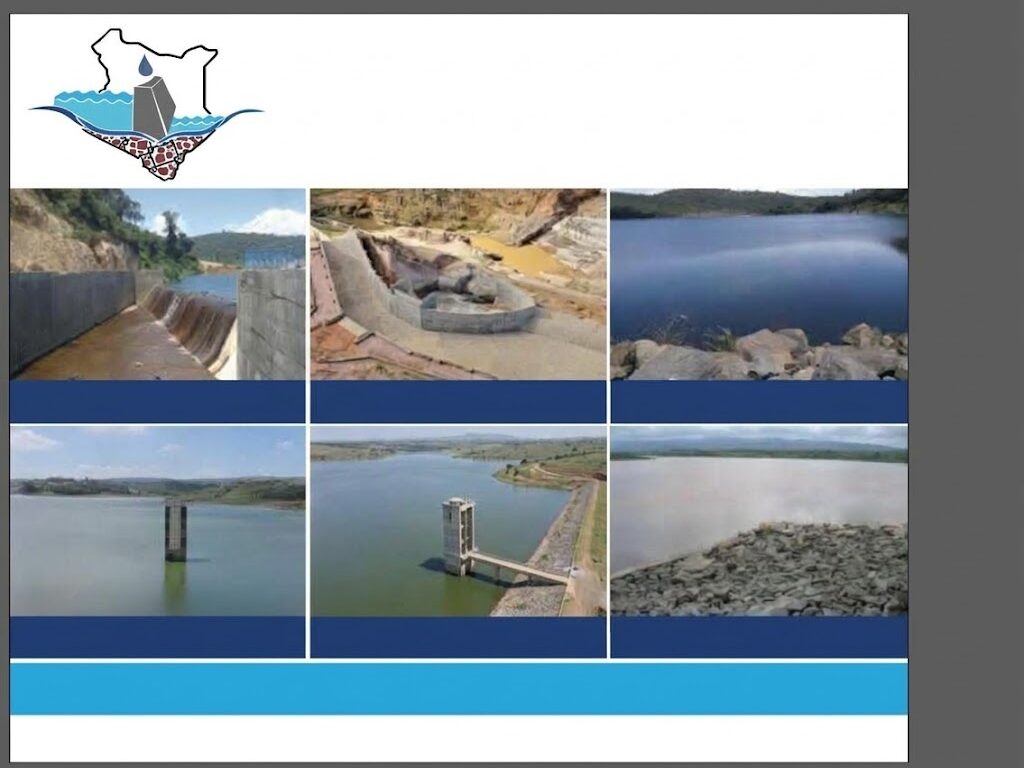
One of the most significant approaches is the construction of large multipurpose dams and reservoirs. These facilities store substantial volumes of water for domestic supply, irrigation, hydropower generation and flood control. By retaining water during periods of high rainfall, dams can help maintain supplies when river flows decline, supporting communities and economic activities throughout the year.
At household and institutional levels, rainwater harvesting provides a practical way to increase access to water. The method involves collecting rainwater from rooftops and directing it into storage tanks or underground reservoirs. The stored water can be used for suitable domestic purposes, gardening and other activities, helping reduce pressure on conventional water supply systems.
Surface runoff harvesting also contributes to water security by capturing rainwater flowing over the ground and directing it into water pans, small dams and reservoirs. Rather than allowing this water to go unused, communities and farmers can store it for livestock, irrigation and other local needs. These systems are particularly useful in areas where rainfall occurs for short periods but water demand continues throughout the year.
River abstraction and storage provide another means of improving supply reliability. Water can be diverted from rivers into reservoirs for use when demand rises or natural flows decrease. However, abstraction must be properly regulated to prevent excessive withdrawals and ensure that downstream users and aquatic ecosystems retain adequate water.
During periods of heavy rainfall, floodwater harvesting can help capture excess flows for controlled use. Suitable storage structures can retain some of this water for agricultural production, livestock and other purposes. With proper planning, the approach can turn part of the excess water into a valuable resource while reducing the amount that flows away unused.
Groundwater recharge offers a longer-term solution by replenishing underground water reserves. Recharge structures allow harvested water to infiltrate into aquifers, helping maintain groundwater availability. The success of this method depends on local geological conditions and the quality of the water entering the ground.
In dry and semi-arid areas, sand dams and subsurface dams can improve access to water by retaining it within sandy riverbeds or beneath the ground. These structures can reduce evaporation losses and preserve water for use during dry seasons, benefiting communities that face recurrent shortages.
At the farm level, water pans and farm ponds provide smaller-scale storage for irrigation and livestock. By collecting rainwater and surface runoff, farmers can maintain agricultural activities during periods of limited rainfall and reduce their vulnerability to changing weather patterns.
The National Water Harvesting and Storage Authority (NWHSA) has a role in advancing water harvesting and storage infrastructure to support the country’s water security objectives.
Ultimately, improving water security requires a combination of appropriate storage technologies, effective water management, infrastructure maintenance and protection of water quality. Expanding these solutions can help communities make better use of available water, strengthen resilience to drought and support sustainable development.