WRA leads push to protect Rift Valley lakes
Water resources management has come into focus as rising levels in Lakes Bogoria, Baringo, Nakuru and Naivasha continue to threaten communities, infrastructure and ecosystems, highlighting the need for stronger catchment protection and sustainable water management practices.
The changing conditions in the four lakes underscore the importance of understanding water-level fluctuations, protecting catchment areas and managing the interaction between water resources and human activities. Effective management is essential not only for protecting lives and property but also for maintaining water quality, preserving biodiversity and securing water resources for future generations.
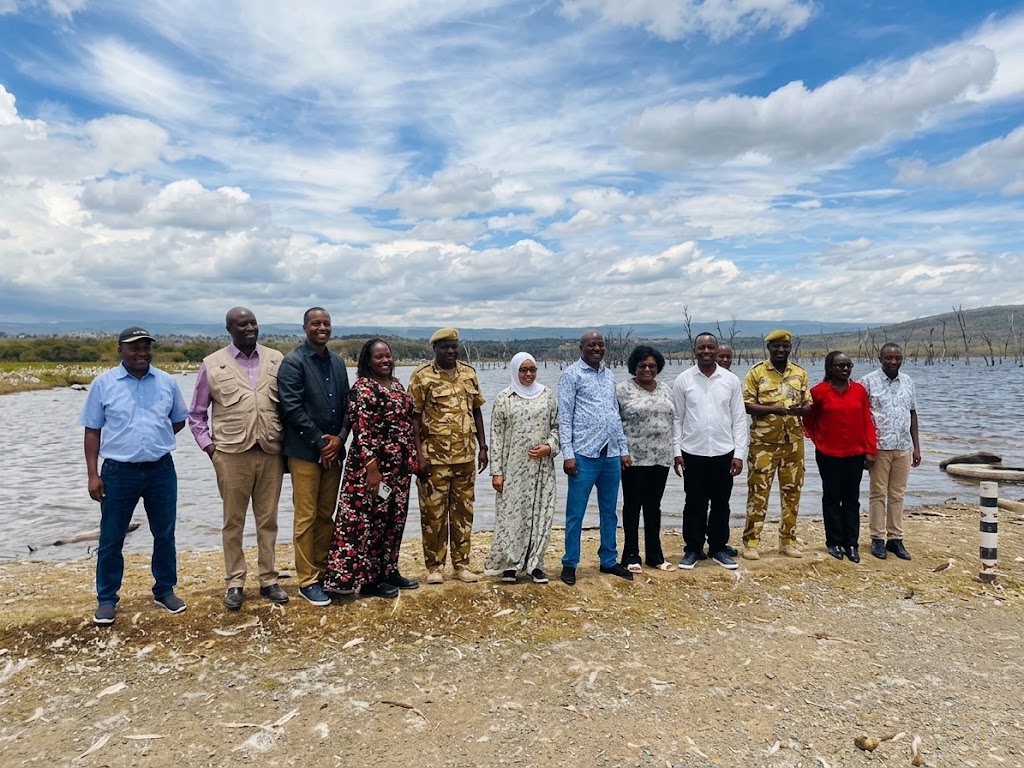
Against this backdrop, the Water Resources Authority (WRA) participated in a multisectoral field engagement led by the National Assembly Departmental Committee on Environment, Forestry and Mining in Baringo and Nakuru counties on October 9–10, 2026. The exercise assessed rising lake levels and examined their environmental, social and economic implications.
The engagement brought together national and county government agencies, environmental and disaster management institutions, infrastructure agencies, Water Resource Users Associations (WRUAs) and community representatives to assess the challenges and identify sustainable responses.
Rising water levels have submerged homes, schools, businesses and critical infrastructure, displaced households and wildlife, and disrupted livelihoods. The developments have also raised concerns about the vulnerability of settlements and economic activities located near lake shores.
From a water resources management perspective, the crisis highlights the importance of continuous hydrological monitoring to track changes in water levels and provide reliable information for planning and decision-making. Such monitoring helps relevant authorities assess emerging risks, guide interventions and improve preparedness in areas exposed to flooding.
Catchment degradation, sedimentation and encroachment on riparian land have further complicated the situation. Healthy catchments play a vital role in regulating water movement, reducing soil erosion and supporting the quality and availability of water resources. When catchments are degraded, increased erosion and sediment movement can affect rivers, lakes and surrounding ecosystems.
Protecting riparian areas is equally important because these zones help maintain ecological functions and provide a natural interface between land and water. Effective enforcement of riparian protection measures, restoration of degraded catchments and responsible land-use planning are therefore important components of long-term water resources management.
The rising lake levels have also created public health concerns where homes, sanitation facilities and essential services are affected. Coordinated interventions are needed to protect communities while safeguarding water quality and preventing further environmental degradation.
WRA continues to champion the responsible management, regulation and protection of water resources through hydrological monitoring, catchment conservation and enforcement of riparian protection. Its involvement in the assessment reinforces the importance of using water-resource data and coordinated institutional action to inform responses to changing lake conditions.
The engagement highlighted the need for collaboration between government agencies, counties and communities to develop sustainable interventions that address both immediate risks and underlying environmental challenges.
As Kenya continues to confront changing water conditions, integrated water resources management remains essential in protecting vulnerable communities, conserving ecosystems and strengthening long-term water security across the affected lake basins.