Communities at the heart of water development
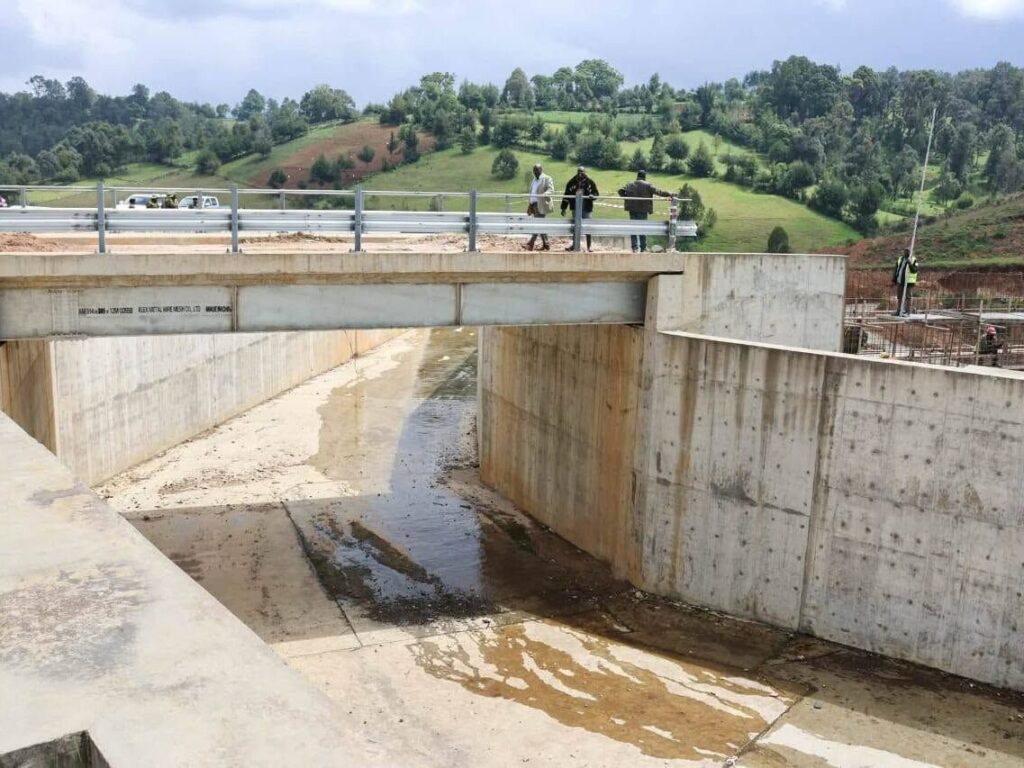
The National Water Harvesting and Storage Authority (NWHSA) is linking customer service to measurable improvements in water access, flood protection and climate resilience, with completed projects benefiting thousands of people and supporting agricultural production across Kenya.
The authority’s commitment to going the extra mile extends beyond constructing dams and water supply infrastructure to ensuring that investments deliver lasting benefits to communities while strengthening the country’s capacity to manage droughts and floods.
Acting Chief Executive Officer Eng. Julius Mugun has emphasised that the authority’s success should be measured by the impact of its work on people’s lives rather than administrative activities alone.
“History will judge us not by the meetings we held or the reports we wrote, but by the lives we improved,” Mugun said during the authority’s staff performance review for the 2025/2026 financial year and strategic planning meeting for 2026/2027.
According to the authority’s performance report, NWHSA completed 76 water supply projects during the 2025/2026 financial year. The projects, which included weirs, small earth dams, boreholes and associated water supply systems, harvested and stored approximately 1.196 million cubic metres of water.
The completed infrastructure benefited more than 115,000 people and supported irrigation across over 12,000 acres of land, demonstrating how water harvesting and storage can improve household access to water while supporting agricultural livelihoods.
The authority also rehabilitated existing water storage facilities, restoring more than 300,000 cubic metres of storage capacity. These interventions improved water availability for over 125,000 people and an estimated 500,000 livestock.
Flood control remains another important part of the authority’s mandate. Interventions in Budalang’i, River Kuja and West Kano helped protect lives and property while reclaiming approximately 1,000 acres of land for productive use. These measures highlight the importance of water infrastructure in reducing flood-related risks and supporting economic recovery in vulnerable areas.
Looking ahead, NWHSA has prioritised the completion of major projects, including the Siyoi-Muruny Water Project and Umaa Dam, as part of efforts to expand national water storage capacity. The authority has indicated that these projects are expected to add approximately 10 million cubic metres to the country’s storage capacity.
Beyond infrastructure development, the authority continues to emphasise dam safety, environmental sustainability and climate adaptation to ensure that water facilities remain reliable and serve communities for generations.
The integration of climate resilience into project planning is particularly important as changing rainfall patterns increase pressure on water resources and expose communities to droughts and flooding.
As NWHSA marks Customer Service Week 2026 under the theme of going the extra mile, the focus remains on delivering safe, sustainable and climate-resilient water solutions whose success can be measured through improved livelihoods, stronger water security and tangible benefits for the communities served.