AfDB, treasury inspect Nairobi sewerage project

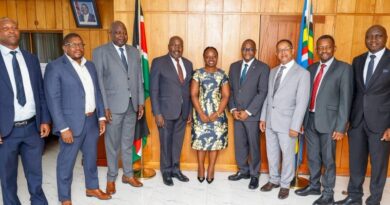
A delegation from the African Development Bank (AfDB) and the National Treasury has inspected wastewater treatment infrastructure at the Dandora Estate Wastewater Treatment Plant in Nairobi to assess progress under the Nairobi Rivers Basin Rehabilitation and Restoration Program: Sewerage Improvement Project Phase II (NaRSIP II).
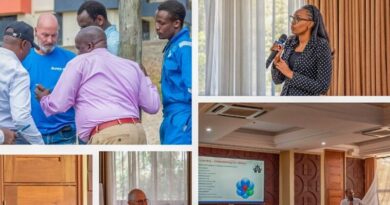
The visit, hosted by the Athi Water Works Development Agency (AWWDA) on October 13, 2026, focused on reviewing project implementation, examining existing wastewater treatment facilities and assessing interventions aimed at improving sewerage services across Nairobi.
The inspection provided an opportunity for the delegation to obtain first-hand information on the progress of the project and understand how the ongoing interventions are expected to address sanitation challenges and reduce pollution within the Nairobi Rivers Basin.
Wastewater management remains an important component of efforts to improve the condition of Nairobi’s rivers, many of which face pollution pressures associated with inadequate sanitation infrastructure, untreated sewage and other forms of waste discharge. Strengthening sewerage systems and treatment facilities is therefore essential to protecting water resources, improving environmental health and supporting sustainable urban development.
Through NaRSIP II, investments in sewerage infrastructure are intended to improve the collection and treatment of wastewater, helping to reduce the amount of untreated sewage entering rivers and other water bodies. Effective wastewater treatment also contributes to protecting downstream communities and ecosystems from the adverse effects of pollution.
The Dandora Estate Wastewater Treatment Plant formed the focus of the delegation’s visit, allowing representatives to examine the infrastructure associated with wastewater management and review the interventions being implemented under the programme. The engagement also offered an opportunity to discuss project progress and the role of improved sanitation services in restoring the Nairobi Rivers Basin.
Beyond assessing the physical infrastructure, the visit underscored the importance of coordination between AWWDA, the National Treasury and development partners in delivering major water and sanitation projects. Such cooperation supports project oversight, promotes accountability in the utilisation of development funds and helps ensure that investments contribute to their intended objectives.
The involvement of the African Development Bank and the National Treasury also highlights the importance of financing and institutional support in implementing large-scale infrastructure projects. Regular monitoring enables stakeholders to review progress, identify implementation issues and maintain focus on the expected outcomes.
For Nairobi, improved sewerage infrastructure is significant as the city continues to experience urban growth and rising demand for reliable sanitation services. Expanding wastewater treatment capacity and improving the management of sewage can help ease pressure on existing facilities while contributing to cleaner rivers and healthier urban environments.
The Nairobi Rivers Basin Rehabilitation and Restoration Programme seeks to support these broader environmental and sanitation objectives through interventions aimed at improving sewerage services and wastewater management.
The site visit reinforced the need for continued collaboration among implementing agencies, government institutions and development partners to advance sanitation infrastructure and strengthen pollution control measures. Sustained investment and effective project implementation will remain important in improving wastewater management and supporting the long-term restoration of the Nairobi Rivers Basin.