Counties brace for El Niño rains
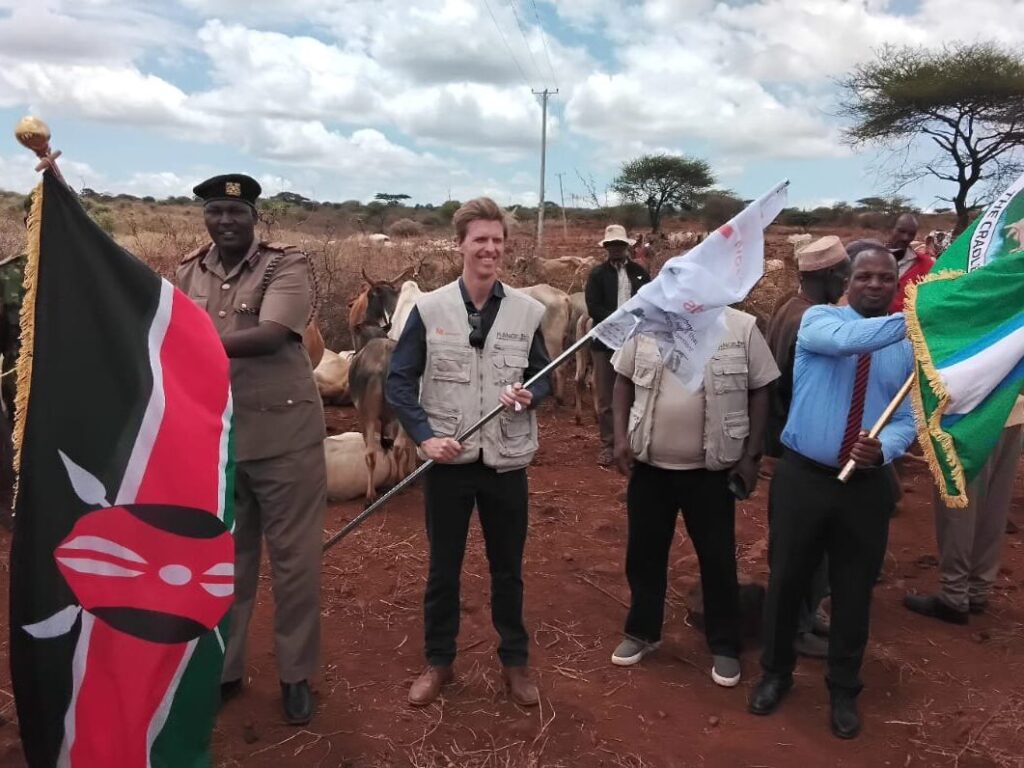
Marsabit, Isiolo and Samburu counties are strengthening water resource management ahead of the anticipated El Niño rains, with a Sh2.1 billion crisis preparedness initiative targeting drainage systems, water infrastructure and environmental restoration to protect pastoral communities from potential climate-related disasters.
The initiative, implemented under the Resilient Approaches in Natural Rangelands Ecosystems (RANGE) programme, will support early interventions aimed at reducing flood risks, protecting water sources and improving the ability of communities to cope with extreme weather conditions.
Water resources are central to livelihoods across the three arid and semi-arid counties, where households depend on rivers, boreholes, water pans and other sources for domestic consumption, livestock production and economic activities. Heavy rainfall can replenish these sources and restore degraded landscapes, but uncontrolled runoff can also cause flooding, erosion, sedimentation and contamination of water supplies.
The five-year RANGE programme, running from 2024 to 2028, is funded by the Government of the Netherlands and implemented by a consortium led by Mercy Corps, the Frontier Counties Development Council and the University of Twente’s Faculty of Geo-Information Science and Earth Observation, alongside county governments and local partners.
Speaking during the launch in Marsabit, County Commissioner Stanley Kamande said preparedness was essential in a region where livelihoods depend heavily on water resources, livestock and transport infrastructure.
He called for the clearance of drainage systems, rehabilitation of degraded rangelands, protection of restored areas and timely interventions to reduce the effects of heavy rainfall. These measures are intended to improve water movement, reduce flooding and protect settlements and essential infrastructure.
Marsabit Governor Mohamud Ali, in remarks delivered by County Chief of Staff Abdo Alla, said the expected rains could replenish water sources, restore pasture and support farming. However, excessive rainfall could damage roads and homes, contaminate water supplies and increase the spread of livestock diseases.
The county government plans to clear blocked drainage channels and culverts, improve stormwater flow and identify settlements requiring additional drainage infrastructure. These measures are important in controlling runoff and reducing the risk of floodwater carrying waste and other pollutants into rivers, wells and community water sources.
Water source protection will also be critical during the rainy season. Heavy runoff can carry soil, waste and other contaminants into water bodies, affecting water quality and increasing the need for treatment before consumption. Maintaining drainage infrastructure and protecting catchment areas can help reduce these risks.
The initiative will also support rangeland rehabilitation through the distribution of suitable pasture and fodder seeds, community-led reseeding and fodder conservation. Residents have been urged to protect reseeded areas from uncontrolled grazing until vegetation is established.
Healthy rangelands play an important role in the water cycle by helping rainfall infiltrate the soil, reducing surface runoff and limiting erosion. Protecting vegetation can therefore contribute to soil moisture retention and the long-term health of catchments that support rivers, springs and other water sources.
Livestock health measures will complement these interventions, with county authorities calling for intensified disease surveillance and vaccination against Rift Valley fever, lumpy skin disease, sheep and goat pox, contagious caprine pleuropneumonia and foot-and-mouth disease.
Mercy Corps Kenya Country Director William Barron said the initiative reflected the Netherlands Government’s commitment to strengthening community resilience while enabling partners to respond quickly when emergencies arise.
RANGE Programme Director Dr Bonface Kaberia said the programme had an allocation of €15 million to support anticipatory action across Marsabit, Isiolo and Samburu.
The broader programme seeks to strengthen natural resource management and community resilience in the region, where water availability is closely linked to grazing conditions, livestock health and household livelihoods.
The crisis preparedness initiative highlights the importance of managing water resources before extreme weather events occur. Clearing drainage channels, protecting catchments, maintaining water infrastructure and monitoring water quality can help communities benefit from rainfall while reducing the risks associated with flooding and contamination.
For the three counties, effective coordination between government agencies, development partners and local communities will be essential to protecting water sources and ensuring that infrastructure remains functional during and after the rainy season. Sustained investment in water resource management will remain important in building resilience to climate variability and safeguarding the natural resources that support pastoral livelihoods.