Kenya courts private capital for water projects
Kenya is seeking greater private sector investment in water and sanitation infrastructure as the country steps up efforts to close a major funding gap and achieve universal access to Water, Sanitation and Hygiene (WASH) services by 2030.
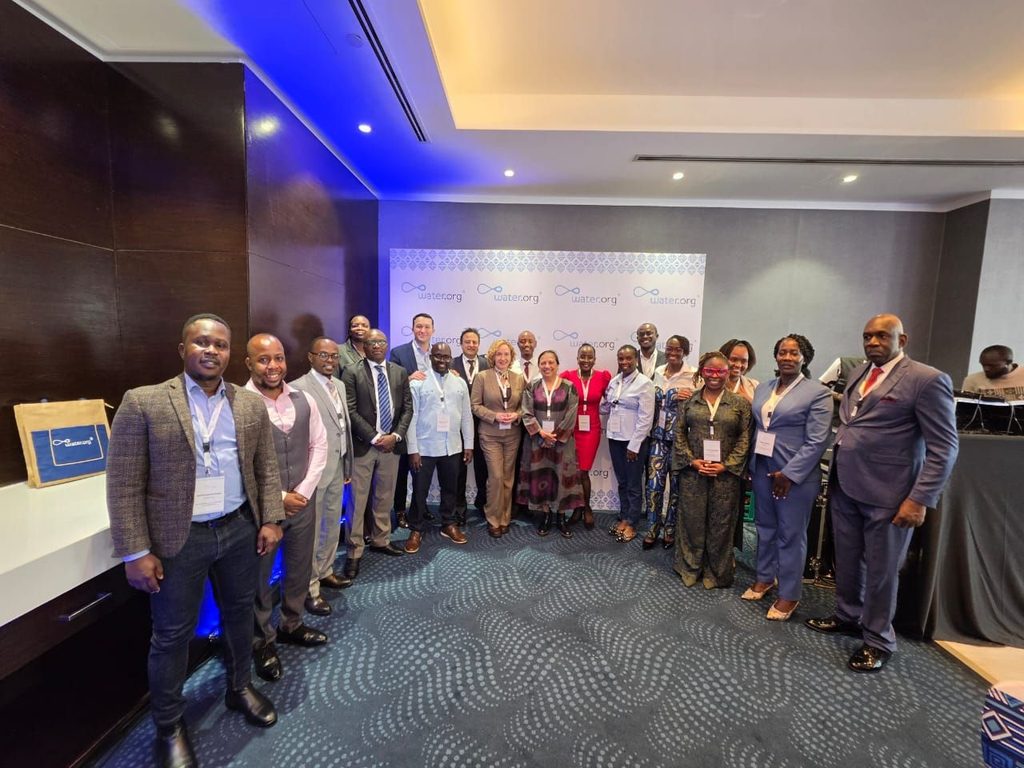
The need to mobilise additional capital featured prominently at the Africa WaterCredit Forum 2026, organised by Water.org on October 16, where financial institutions from Kenya, Uganda, Tanzania and Nigeria shared experiences in financing water and sanitation projects.
The Kenya Innovative Finance Facility for Water (KIFFWA), represented by FA Grace Ndegwa and Samuel M., participated in the forum, which highlighted the commercial potential of lending to the WASH sector alongside its social and economic benefits.
Experiences shared at the meeting indicated that WASH loan portfolios had recorded Portfolio at Risk (PAR) levels below two per cent. The performance challenges the perception that water and sanitation lending is inherently risky and suggests that appropriately structured financing can offer viable opportunities for financial institutions.
The forum also examined how reliable water and sanitation services support economic activity beyond the water sector. Businesses need dependable water supplies to operate efficiently, while farmers depend on water for production and agricultural value chains. Improved sanitation also contributes to public health, better living conditions and productivity.
Despite these benefits, financing remains a major obstacle to expanding services. Kenya’s National Water and Sanitation Investment and Financing Plan estimates that approximately Sh995 billion is required to achieve universal water and sanitation coverage by 2030. Of this amount, Sh313 billion is expected to come through public-private partnerships, underlining the importance of attracting private capital alongside government and development funding.
The substantial financing gap means public resources alone cannot meet the investment required to expand services and improve infrastructure. Strengthening the financial capacity of water utilities and developing projects that can attract commercial funding are therefore important steps towards meeting national targets.
A key issue raised at the forum was the need to move beyond household-level lending and mobilise financing for larger infrastructure projects. Household loans can help families invest in water connections, sanitation facilities and other improvements, but major projects require more substantial funding, technical preparation and financial arrangements capable of attracting long-term investors.
KIFFWA sees an opportunity to help close this gap through blended finance, project development support and partnerships with financial institutions. The facility supports the preparation of viable water investment opportunities and efforts to attract private sector financing.
Blended finance combines different sources of funding, including public, development and commercial capital, to help projects become more attractive to investors. Such arrangements can help address challenges associated with high initial costs, lengthy investment periods and risks that may discourage lenders from supporting water infrastructure.
The forum brought together financial institutions including Co-operative Bank of Kenya, KCB Bank Group and Equity Bank Limited, alongside the Water and Sanitation Providers Association (WASPA), providing an opportunity to discuss how lenders and sector institutions can expand financing for WASH services.
The discussions highlighted the importance of building the capacity of local financial institutions to assess complex projects, strengthening risk-sharing mechanisms and developing investment-ready proposals that can attract funding at scale.
As Kenya works towards Sustainable Development Goal 6, which calls for universal access to safe water and sanitation, expanding financing options will be essential. Greater collaboration between government, financial institutions, development partners and project developers could help turn viable proposals into infrastructure that serves larger populations.
The central challenge is no longer only how to finance individual household improvements, but how to mobilise sufficient capital for the water systems, treatment facilities and sanitation networks needed to deliver reliable services to communities across the country.