Kenya targets financial turnaround in water sector
Water service providers in Kenya have been urged to reduce water losses, strengthen revenue collection and improve corporate governance to enhance their financial sustainability and attract investment for infrastructure development.
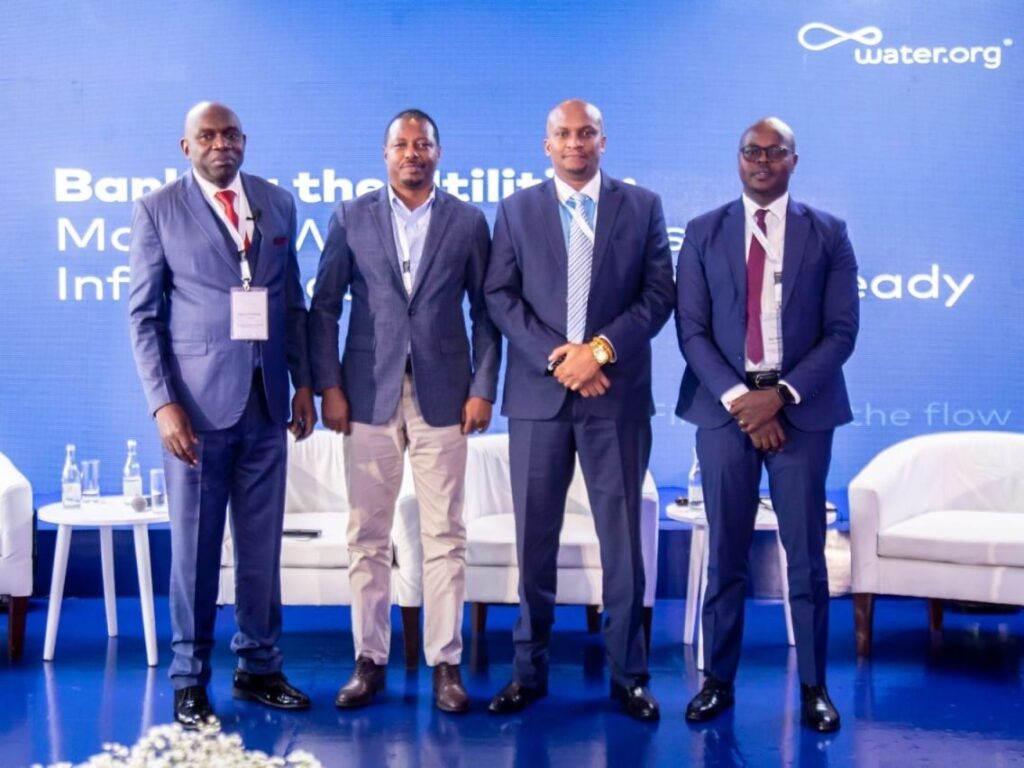
Water and Sanitation Providers Association (WASPA) Chief Executive Officer Anthony Njaramba made the call during the Water Credit Forum 2026, where he participated in a panel discussion on financing water utilities and preparing infrastructure projects for investment.
The session, titled Banking the Utilities: Making Water Utilities and Infrastructure Investment Ready, focused on measures that can help water service providers improve their financial performance and qualify for financing to expand and improve water infrastructure.
Njaramba highlighted the importance of addressing non-revenue water (NRW), which refers to treated water that is lost through leakages, illegal connections, meter inaccuracies and other inefficiencies before utilities can collect revenue from it.
With Kenya’s national non-revenue water level standing at 48 per cent, he noted that reducing these losses is essential to improving utility performance, strengthening financial stability and making water service providers more attractive to lenders and investors.
High water losses limit the revenue utilities can generate from the water they produce and distribute. This can undermine their ability to meet operational costs, maintain existing infrastructure and invest in expanding supply networks to underserved communities.
Improving revenue collection is equally important in ensuring that utilities receive payment for services delivered. Stronger financial management can help water companies meet their obligations, improve service reliability and demonstrate their ability to repay loans used to finance infrastructure projects.
Njaramba also emphasised the role of corporate governance in building financially sustainable water utilities. Transparent decision-making, accountability and effective oversight by boards and management teams are important in ensuring that resources are properly managed and investment decisions support long-term service delivery.
Through its annual Corporate Governance Training Programme for water utility boards and corporate management teams, WASPA continues to promote accountability and strengthen institutional management across the water sector.
The association is also supporting water utilities to access financing through the Co-op Maji Loan Programme, which it implements in partnership with Co-operative Bank of Kenya, Water.org, Aqua for All and VEI.
The programme seeks to help utilities prepare bankable investment proposals and secure financing for projects aimed at reducing non-revenue water, improving energy efficiency and extending water services to communities that remain underserved.
Investment in these areas can help utilities lower operational costs, improve the efficiency of water distribution systems and connect more households to reliable water supply networks.
Reducing energy consumption is particularly important for water companies that depend on pumping systems to abstract, treat and distribute water. Improving energy efficiency can reduce electricity expenses and free up resources for infrastructure maintenance and service expansion.
Similarly, investments in last-mile connectivity can enable utilities to extend distribution networks to households and other customers who are not adequately served by existing infrastructure.
The Water Credit Forum 2026 provided a platform for water sector stakeholders, financial institutions, development partners and other organisations to discuss ways of improving access to financing for water and sanitation infrastructure.
The discussions underscored the importance of strengthening the financial and institutional capacity of water utilities alongside investment in physical infrastructure.
As Kenya continues to pursue wider access to safe water and improved sanitation, reducing water losses and improving financial management remain important steps towards ensuring that utilities can sustain their operations and mobilise funding for future development.
WASPA’s initiatives on governance and access to credit are aimed at helping water service providers build the financial capacity required to deliver reliable services while attracting investment to support infrastructure improvements across the country.