Taita Taveta expands irrigation to boost food production
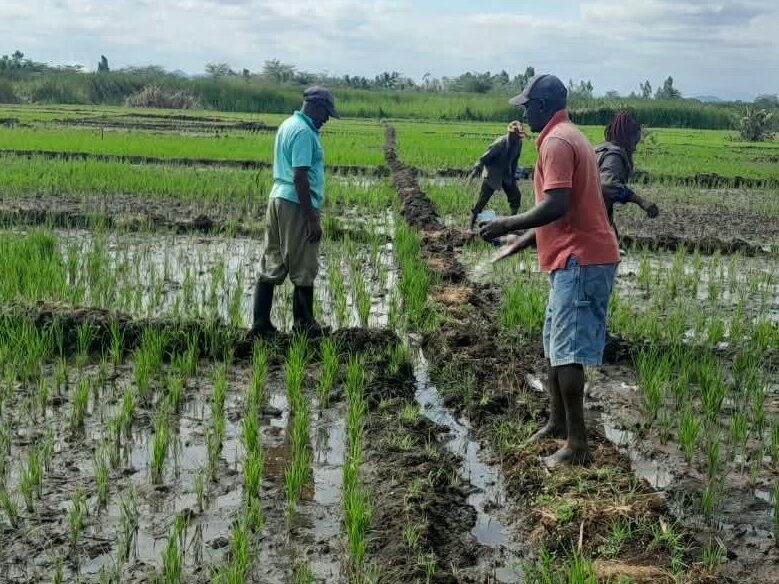
Taita Taveta County is investing in irrigation infrastructure and improved water management to expand agricultural production, with the availability of reliable water supplies emerging as a key factor in its efforts to increase rice farming and strengthen food security.
The county is seeking to improve access to water from rivers and springs through irrigation schemes, canal rehabilitation and expanded water distribution networks to support farmers in Taveta Sub-County.
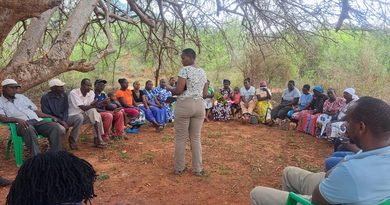
The renewed focus comes as the county government, in partnership with the Kenya Red Cross, distributes 3,920 kilogrammes of Komboka rice seeds to 196 farmers in Madarasani, Kimorigo, Eldoro and Patani Hill ahead of the October-November-December rainy season.
However, sustaining increased rice production will require more than improved seeds and farming techniques, as reliable irrigation water remains essential in an area where rainfall is often insufficient to support year-round agricultural activities.
One of the major investments supporting this ambition is the Buruma Irrigation Scheme, which draws water from Njoro Ndogo Springs in Mboghoni. The project is designed to expand the area under irrigation from approximately 2,000 acres to 30,000 acres, significantly increasing the county’s agricultural potential.
During an inspection in June 2025, the State Department for Irrigation reported that the project was approximately 50 per cent complete. It projected that the scheme could increase annual crop production from 3,000 tonnes to more than 45,000 tonnes, benefiting approximately 135,000 people.
Another important investment is the Lower River Lumi and Murabani Irrigation Project, which draws water from Njoro Kubwa Springs. The project aims to expand irrigated land from 12,855 acres to 20,000 acres, benefiting approximately 6,500 households.
The two projects demonstrate the importance of developing water storage, conveyance and distribution infrastructure to support agriculture in a region where farming depends heavily on rivers and underground water sources.
The River Lumi is particularly important to Taveta’s agricultural economy, supporting several irrigation schemes, including Kimorigo, Chumvini, Challa and Marodo. Its water supports rice cultivation and other crops, making the river a critical resource for local food production and household incomes.
However, increased demand for irrigation water is raising concerns about the sustainability of abstraction from the river basin.
An environmental assessment by the National Environment Management Authority for the proposed Kisima-Taveta irrigation project identified significant pressure on the Lumi River system. Water Resources Authority records cited in the assessment showed that 28 licensed water users had a combined allocation of approximately 19,191 cubic metres daily, with most of the water allocated for irrigation.
The assessment highlighted the need for improved water management and additional storage infrastructure to protect the river system and ensure that water remains available for different users.
This presents a major challenge as Taita Taveta seeks to expand its agricultural production. Increased abstraction without adequate monitoring could affect downstream communities, livestock farmers and ecosystems that also depend on the river.
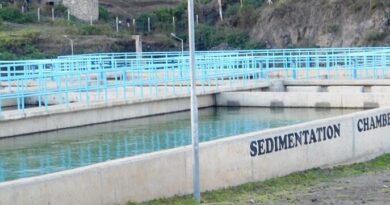
To address some of the infrastructure constraints, the State Department for Irrigation has undertaken canal rehabilitation activities in Taveta, including desilting sections of the Lower River Lumi and Murabani schemes and lining canals under the Njukini Irrigation Development Project.
Canal rehabilitation is important because poorly maintained irrigation channels can lose substantial amounts of water through seepage, leakage and uncontrolled flows before it reaches farms. Improving these systems can help farmers receive more reliable supplies while reducing wastage.
The county’s water resources also face pressure from changing weather patterns and declining water availability during dry periods. The National Drought Management Authority has continued monitoring rivers, springs, boreholes, dams and water pans as part of efforts to assess water availability and identify areas requiring intervention.
Beyond rice cultivation, expanding irrigation infrastructure is expected to support other agricultural activities, including horticulture and livestock production. Reliable water supplies can also encourage investment in agro-processing and create employment opportunities for communities.
Taita Taveta has also completed a rice milling facility intended to improve local processing and value addition. Its success will depend on farmers producing sufficient quantities of paddy rice and maintaining reliable access to irrigation water.
The expansion of irrigation therefore presents both an agricultural opportunity and a water management challenge for the county.
As more land is brought under cultivation, protecting rivers and springs, monitoring abstraction permits, maintaining irrigation canals and investing in water storage will be essential to prevent competition among users.
The long-term success of Taita Taveta’s rice production ambitions will ultimately depend on how effectively the county balances agricultural expansion with sustainable management of the water resources supporting its irrigation schemes.