How technology is transforming Kenya’s water sector
Technology is increasingly shaping how Kenya manages its water resources, supplies drinking water, supports irrigation and handles wastewater. From smart meters and digital monitoring systems to modern treatment technologies and groundwater mapping, water-sector institutions are adopting new approaches to improve efficiency, expand access and address longstanding challenges.
One of the biggest challenges facing water utilities is non-revenue water (NRW), which refers to treated water that is lost through leakages, illegal connections, faulty meters and other inefficiencies before it reaches paying consumers. Kenya’s national NRW level is estimated at approximately 48 per cent, meaning a significant share of treated water does not generate revenue for utilities.
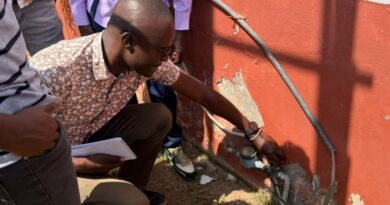
Water companies are turning to smart metering and digital monitoring to address these losses. Unlike conventional meters, smart meters can transmit consumption information electronically, allowing utilities to monitor usage, identify unusual consumption patterns and improve billing accuracy. Some systems also support remote monitoring and can alert operators to possible leaks or abnormal flows.
Embu Water and Sanitation Company, for example, has outlined plans to install 2,740 smart meters at a cost of approximately KSh40 million, alongside 300 prepaid smart valves. Such investments demonstrate how utilities are exploring digital systems to improve revenue collection and strengthen water distribution management.
Private technology providers are also contributing to the transition. Hexing Africa has been involved in the supply of metering solutions, including technologies designed to improve measurement and monitoring of water consumption. These systems can provide utilities with more reliable information for planning, billing and identifying possible losses.
Digital technologies are also changing how utilities detect and manage leakages. Some water companies are dividing their distribution networks into district metered areas, commonly known as DMAs. These zones allow operators to monitor water entering and leaving specific sections of a network, making it easier to identify unusual flows and narrow down the location of leaks.
Pressure-reducing valves are another important part of this approach. They regulate pressure within pipelines, reducing the strain on ageing infrastructure and helping prevent bursts. In a reported intervention involving Eldoret Water and Sanitation Company, Xylem and PSI, water losses in one district metered area were reduced from approximately 50 per cent to 5 per cent following the introduction of pressure-management measures.
Groundwater exploration is also benefiting from technological advances. In parts of Kenya, particularly in areas experiencing water scarcity, institutions are using geophysical techniques to improve understanding of underground water resources before drilling boreholes.
The Groundwater Resources in the Nairobi Aquifer System project, known as GROWANA, is using SkyTEM airborne electromagnetic technology to map underground geological formations in parts of Kajiado and Machakos counties. The technology involves collecting electromagnetic data from an aircraft to help identify variations in underground geological structures.
The information can help researchers understand the distribution of potential groundwater-bearing formations and guide decisions on where further investigations and drilling may be appropriate. It is particularly important in areas where communities depend heavily on groundwater for domestic use, livestock and other economic activities.
However, the technology does not directly measure the volume of water stored underground. Further investigations, including borehole assessments and water-quality testing, are necessary before determining whether a particular location can sustainably support water abstraction.
Water treatment facilities are also adopting more advanced technologies to improve the quality of water supplied to households and businesses. Conventional treatment processes remain important, but utilities and water projects are increasingly considering technologies such as membrane filtration, reverse osmosis and ultraviolet disinfection.
Reverse osmosis uses specialised membranes to remove dissolved salts and other contaminants from water. It is particularly useful in areas where groundwater or surface water contains high levels of dissolved substances. However, the technology requires energy and produces concentrated wastewater that must be managed appropriately.
Ultraviolet disinfection uses ultraviolet light to inactivate microorganisms in water. It can provide an additional barrier against disease-causing organisms, although it does not remove dissolved salts or other chemical contaminants. Membrane filtration, meanwhile, uses barriers with different pore sizes to separate particles and microorganisms from water.
Automated chemical-dosing systems are also improving treatment operations by helping operators regulate the quantities of treatment chemicals introduced into water. When properly monitored and maintained, these systems can support consistent treatment and reduce unnecessary chemical use.
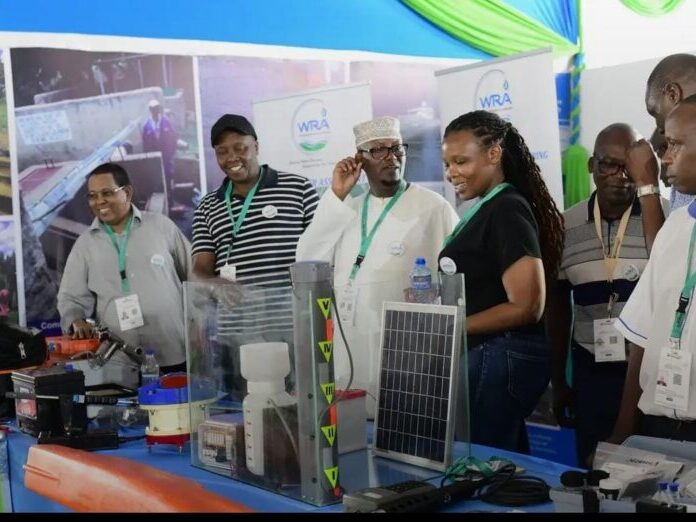
Water-resource monitoring is another area undergoing digital transformation. The Water Resources Authority has been expanding the use of monitoring equipment and digital systems to collect information on water levels, river flows and abstraction. Telemetric stations can transmit hydrological information to central systems, reducing reliance on manual data collection and helping institutions monitor changes in water resources.
Digital water meters and remote monitoring systems can also support the regulation of water abstraction. Reliable information on how much water is being withdrawn from rivers and other sources is important for managing competing demands among households, industries, agriculture and other users.
The authority has also been promoting citizen science through Water Resource Users Associations. These community groups participate in monitoring water quality and reporting changes in local water resources. Parameters include pH, dissolved oxygen, turbidity, temperature and phosphates.
The initiative has involved 49 Water Resource Users Associations, with 17 actively submitting monitoring data. Such participation can strengthen local environmental monitoring by combining community observations with technical information collected by government institutions.
Technology is equally important in irrigation, where efficient water use is becoming increasingly necessary because of changing rainfall patterns and pressure on available resources. Digital tools can help farmers make better decisions on when and how much water to apply to their crops.
The Water Availability and Demand Tool is among the digital approaches being used to support water-resource planning. Satellite information and other datasets can help assess water availability and demand, while irrigation technologies such as drip and sprinkler systems allow farmers to apply water more efficiently.
Drip irrigation delivers water close to plant roots through pipes and emitters, reducing losses associated with evaporation and runoff. Sprinkler systems distribute water across fields in a controlled manner. Solar-powered pumping systems can also provide an alternative energy source for farmers operating in areas with limited access to electricity.
These technologies can improve irrigation efficiency, but their effectiveness depends on proper installation, maintenance and sustainable water abstraction. Improved pumping capacity must be accompanied by responsible management to avoid over-exploitation of rivers and groundwater.
Wastewater management is another area where technology is creating opportunities for improved environmental protection and water reuse. Conventional wastewater treatment systems use biological and physical processes to remove pollutants before treated effluent is discharged or reused.
Some facilities use activated sludge systems, in which microorganisms break down organic matter in wastewater. Anaerobic digestion can also be used to treat organic waste in the absence of oxygen, producing biogas that can be used as an energy source.
Constructed wetlands provide another treatment option. They use plants, soil and naturally occurring microorganisms to remove or reduce pollutants from wastewater. Membrane bioreactors combine biological treatment with membrane filtration, allowing wastewater facilities to produce higher-quality treated effluent where the systems are properly operated.
Treated wastewater can be reused for purposes such as irrigation, landscaping and certain industrial activities, subject to applicable quality standards. This can reduce pressure on freshwater sources, particularly in areas experiencing water shortages.
Solar-powered water systems are also expanding access to water in locations where electricity supply is limited or expensive. Solar pumps use energy from photovoltaic panels to move water from boreholes, rivers and other sources into storage tanks or distribution networks.
The systems can reduce dependence on diesel-powered pumps and lower operating costs over time. Their performance, however, depends on appropriate system sizing, reliable equipment and maintenance. Water storage is also important because solar pumping is affected by available sunlight.
In coastal and water-stressed areas, desalination is another technology being explored to increase water availability. The process removes salts from seawater or saline groundwater to produce water suitable for specified uses. Reverse osmosis is one of the main technologies used in modern desalination plants.
Although desalination can provide an additional source of water, its adoption is influenced by energy costs, infrastructure requirements and the need to manage concentrated brine produced during treatment.
Despite the growing use of technology, Kenya’s water sector continues to face financial and institutional challenges. The National Water and Sanitation Investment Programme estimates that approximately KSh995 billion is required for water and sanitation investments between 2023 and 2030, leaving a financing gap of about KSh652 billion.
The cost of acquiring equipment, installing digital systems and maintaining infrastructure can limit adoption, particularly among smaller water utilities and rural institutions. Some technologies also require specialised technical skills, reliable electricity, regular calibration and access to replacement parts.
Ageing pipelines and fragmented information systems can further limit the effectiveness of digital investments. For example, installing smart meters may improve consumption monitoring, but utilities still need functional billing systems, trained personnel and the capacity to respond to information generated by the equipment.
Cybersecurity and data protection are also becoming important considerations as water institutions increasingly depend on connected devices and digital platforms. Protecting operational information and ensuring the reliability of monitoring systems will be essential as the sector becomes more technologically dependent.
Kenya’s transition towards technology-driven water management will therefore require more than purchasing modern equipment. Investment in technical skills, infrastructure maintenance, reliable data systems and long-term financing will determine whether these innovations deliver lasting improvements.
As demand for water increases and climate pressures affect the reliability of traditional sources, technology is becoming an important part of the response. Its greatest contribution will be measured not simply by the number of devices installed, but by whether it helps reduce water losses, improve service reliability, protect water resources and expand access to safe water and sanitation.