Kenyan-Danish researchers investigate groundwater quality in Turkana
A Kenyan-Danish research partnership is investigating groundwater quality, availability and equitable access in Turkana County amid concerns over fluoride contamination, salinity, climate change and rising demand for water in arid regions.
The research is being undertaken through the Groundwater Fluoride and Salinity versus Equity in Arid Regions: Obtaining Inclusive and Sustainable Resource Management (GEM) project, which brings together Kenyan and Danish universities, government agencies and research institutions.
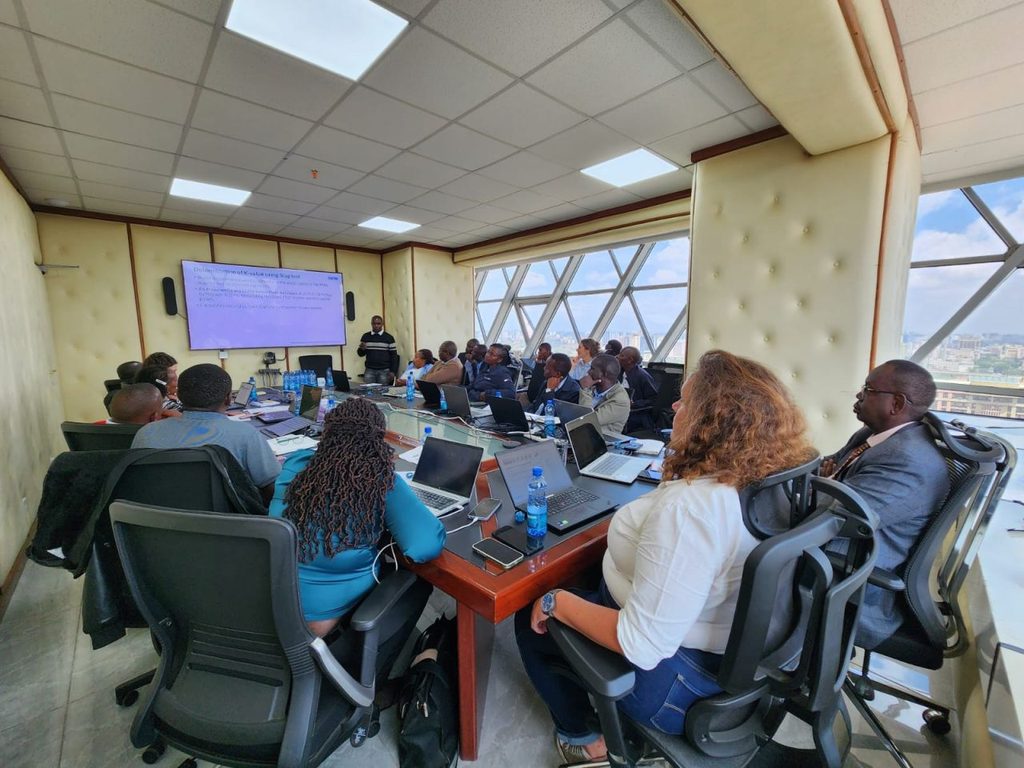
The Regional Centre on Groundwater Resources Education, Training and Research (RCGW) hosted a one-day workshop and annual project meeting on Tuesday, November 3, 2026, to review progress and discuss findings from the collaboration.
The project is funded by the Danida Fellowship Centre on behalf of Denmark’s Ministry of Foreign Affairs and focuses on understanding the factors influencing groundwater availability and quality, particularly fluoride concentrations and salinity, under changing climatic conditions and increasing abstraction.
A key concern is that although groundwater provides an important source of water in dry regions, its quality varies considerably, meaning that the availability of water does not always guarantee access to safe drinking supplies.
A major component of the research is examining how groundwater interacts with surface water, particularly around the Turkwel River and Lake Turkana. Researchers are studying how these interactions, alongside changing rainfall patterns and increased groundwater extraction, influence fluoride concentrations and salinity in underground aquifers.
The findings are expected to help identify suitable groundwater sources, improve monitoring and guide decisions on where water treatment may be necessary. The research will also examine whether communities have equal access to good-quality groundwater and the economic implications of providing treated water to populations in remote areas.
The investigation builds on earlier research highlighting groundwater quality concerns in Turkana. A 2021 study published in Acta Geochimica found that fluoride concentrations in sampled groundwater ranged from 0.15 to 5.87 milligrams per litre, with nearly half of the samples exceeding the World Health Organization and Kenyan drinking-water guideline of 1.5 milligrams per litre.
More recent research published in PLOS Water in March 2026 also highlighted challenges affecting water supplies in the county. The study found that more than 25 per cent of sampled water sources had elevated fluoride and total dissolved solids, while over 70 per cent of surveyed households reported difficulties accessing water during dry seasons.
These findings underline the need to address both water availability and quality as authorities seek to improve water security in arid and semi-arid regions.
RCGW is responsible for the project’s fifth work package, which focuses on sharing research findings through scientific publications, technical reports, policy briefs and stakeholder workshops. This component is intended to ensure that scientific evidence reaches policymakers, water-sector institutions and communities that depend on groundwater.
The partnership also combines scientific research with local knowledge to develop groundwater management approaches that respond to the needs of communities in water-stressed areas.
Beyond Turkana, the research findings could provide useful lessons for other arid regions facing similar groundwater quality and access challenges, supporting more sustainable water-resource management and climate resilience.