Explainer: How climate change is threatening Kenya’s water resources
Kenya’s water resources are facing growing pressure from rising temperatures, unpredictable rainfall and increasingly disruptive weather events, threatening river flows, groundwater reserves, water infrastructure and the livelihoods of millions of people who depend on reliable supplies.
The changing climate is creating a difficult situation for water managers. Prolonged dry spells reduce the amount of water entering rivers, reservoirs and underground aquifers, while intense rainfall can trigger floods that damage infrastructure, contaminate water sources and disrupt supply systems. The contrasting conditions are making it increasingly difficult to plan for water availability throughout the year.
Findings from the Kenya Meteorological Department’s State of the Climate Report 2025 show that the country’s average temperature has increased by approximately 0.88 degrees Celsius since 1960. The report, released in March 2026, also highlights significant regional differences in rainfall distribution, alongside extreme weather events that have affected communities, infrastructure and economic activities.
The effects were particularly evident in 2024, when heavy rainfall during the March-to-May season caused widespread flooding, displacement and destruction of property. More than 100,000 households were displaced, while infrastructure, agricultural land and social facilities were damaged. The situation was followed by below-average rainfall during the October-to-December short rains, worsening drought conditions in several parts of the country.
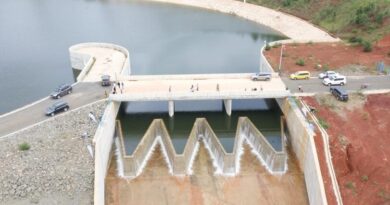
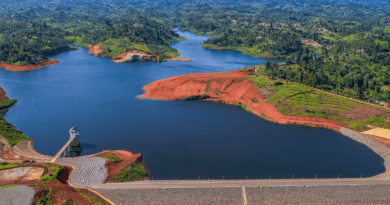
The Kenya Meteorological Department’s 2024 climate report also documented unusually high river flows, with several major rivers exceeding flood alarm levels. Water levels in major dams rose significantly, and the Seven Forks hydropower dams began overflowing in April 2024, worsening flooding downstream along the Tana River.
The events demonstrated how climate variability can affect water resources in different ways. During periods of intense rainfall, rivers and reservoirs may receive more water than their systems can safely accommodate. However, when rainfall declines, the same water systems can experience reduced inflows, affecting water supply, irrigation and electricity generation.
The problem is compounded by rising temperatures, which increase evaporation from reservoirs, rivers, lakes and soil. Higher temperatures can also increase water demand among households, farmers and livestock keepers, placing additional pressure on supplies during dry periods.
Groundwater, which is an important source of water for many communities, is also exposed to changing climatic conditions. Aquifers depend partly on rainfall infiltrating the ground to replenish underground reserves. When rainfall becomes irregular or prolonged drought reduces infiltration, groundwater recharge may decline in some locations.
Intense rainfall does not necessarily translate into increased groundwater reserves. In areas with degraded catchments, compacted soils and extensive paved surfaces, much of the rainwater runs off quickly instead of soaking into the ground. This can reduce opportunities for natural recharge while increasing the risk of flash floods and soil erosion.
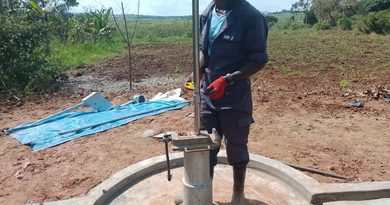
Drought conditions can also lead to increased dependence on boreholes as rivers, dams and other surface water sources decline. Where groundwater abstraction exceeds natural replenishment, water levels can fall, making boreholes less productive and increasing the cost of pumping. The situation highlights the need for stronger groundwater monitoring and regulation, particularly in rapidly growing urban areas and water-stressed counties.
Water quality is another concern. Floodwaters can carry sewage, solid waste, agricultural chemicals and sediment into rivers, lakes, shallow wells and other sources used for domestic supply. This can increase the cost of water treatment and expose communities to health risks where contaminated water enters supply systems. Reduced river flows during droughts can also concentrate pollutants, further affecting the quality of available water.
The impacts extend beyond household water access. Agriculture depends on predictable rainfall and adequate water for irrigation, while livestock production relies on functioning water points and healthy grazing ecosystems. When drought reduces water availability, farmers and pastoral communities face pressure on production and household incomes. Flooding, on the other hand, can destroy crops, damage irrigation infrastructure and interrupt access to markets.
Electricity generation is also exposed to climate-related changes in water availability. Kenya relies on hydropower from dams along the Tana River system, making electricity production sensitive to changes in river flows and reservoir levels. A National Climate Resilience Assessment for Kenya published by the International Energy Agency in September 2026 warns that seasonal rainfall variability exposes hydropower facilities to water shortages during dry periods. The assessment projects that the hydropower potential of existing plants could decline by 10 per cent by mid-century compared with the average of previous decades.
These challenges are increasing the need for investment in climate-resilient water infrastructure and protection of natural catchments. Measures such as expanding water storage, rehabilitating degraded river catchments, protecting wetlands, improving drainage systems and strengthening groundwater monitoring are becoming important components of water security planning.
Kenya has already begun implementing programmes aimed at addressing some of these risks. In February 2026, the National Environment Management Authority announced the launch of the Upper Athi River Catchment Area project, supported by the Green Climate Fund. The programme covers Nairobi, Kiambu, Machakos and Nyandarua counties and seeks to improve water security through catchment conservation, rehabilitation of priority water infrastructure and stronger hydrological and meteorological monitoring.
According to NEMA, the initiative is expected to directly benefit approximately 1.15 million people, with another 4.85 million indirect beneficiaries across the catchment. Its activities include improving water and climate information systems, strengthening conservation measures and supporting planning that responds to changing climatic conditions.
At the county level, the Financing Locally-Led Climate Action programme is supporting communities to identify and implement adaptation projects. The National Treasury says the programme covers all 47 counties and has total funding of approximately US$294 million from the Government of Kenya and development partners. Its investments include water conservation, natural resource management, land rehabilitation, livelihood diversification and community early-warning systems.
Other initiatives are focusing on protecting catchments that supply urban centres. The Eldoret-Iten Water Fund, supported by the Global Environment Facility and other partners, is promoting forest restoration, agroforestry, wetland conservation and sustainable farming practices to improve water security and strengthen resilience in the region.
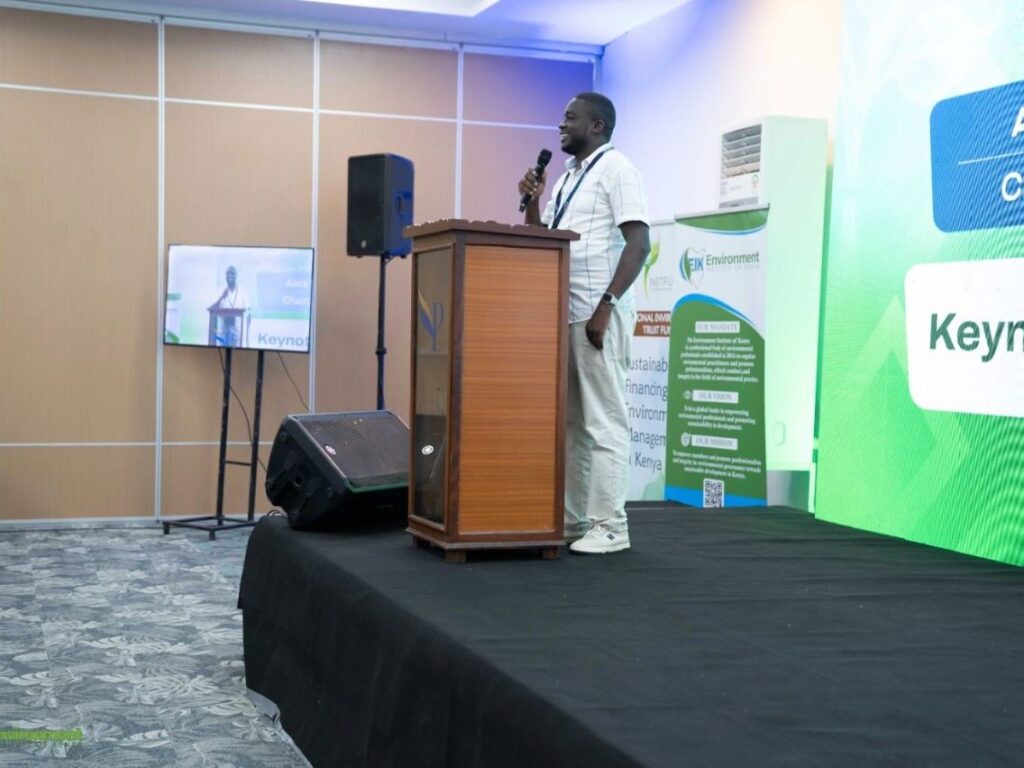
The growing climate risks also featured at the 5th Environment Institute of Kenya International Environmental Conference and Expo 2026, held in Mombasa under the theme “Climate Financing Frontiers 2026: Unlocking Capital for a Climate-Resilient Future.” EIK Chairperson Mugambi Alex called for stronger collaboration, increased investment and improved access to climate financing, arguing that environmental commitments should translate into measurable interventions that benefit communities.
The conference discussions reflect the wider financing challenge facing countries seeking to adapt their water systems to changing climatic conditions. Investment is required not only to construct new dams, treatment plants and pipelines, but also to maintain existing infrastructure, restore ecosystems and improve the information used to manage water resources.
Experts and institutions have increasingly emphasised the importance of combining infrastructure development with nature-based solutions. Protecting forests, wetlands and riparian areas can help regulate water flows, reduce erosion and support groundwater recharge, while improved weather forecasting and river monitoring can give authorities more time to prepare for droughts and floods.
For Kenya, the challenge is to ensure that water planning accounts for both extremes. Storage facilities must be designed and managed with changing rainfall patterns in mind, drainage systems need to accommodate intense storms, and groundwater extraction must be guided by reliable information about aquifer conditions.
As temperatures continue to rise and rainfall becomes more variable, the reliability of water supplies will depend increasingly on how effectively the country protects its catchments, manages available resources and invests in infrastructure capable of withstanding climate shocks.