Explainer: Why a borehole must pass tests before a hand pump is installed
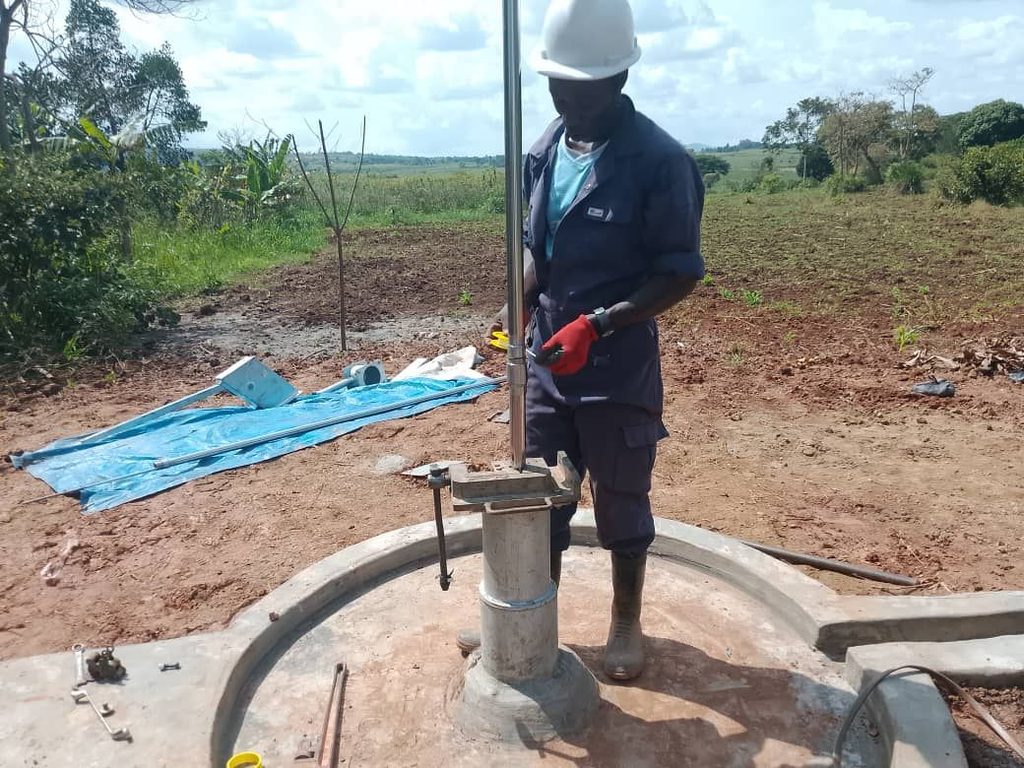
Finding water underground is only the first step in constructing a functional borehole. Before a hand pump is installed and a community begins drawing water, the borehole must undergo a series of technical checks to establish how much water it can supply, how quickly it can recover after pumping and whether the water is suitable for human consumption.
These stages are important because striking water during drilling does not automatically mean that a borehole can sustain regular use. A borehole may contain water but have a low yield, meaning it cannot replenish water quickly enough to meet demand. Testing helps determine whether the underground water source can support the intended use and guides decisions on the type of pump to install.
The first major stage after drilling is known as borehole development. During drilling, soil particles, rock fragments, drilling mud and other materials can accumulate inside the borehole or around the openings that allow groundwater to enter. Development involves flushing and cleaning the well to remove these materials and improve the movement of water from the surrounding geological formation into the borehole.
Methods used include bailing, airlifting and surging, depending on the borehole design and geological conditions. The process helps reduce sediment in the water and improves the borehole’s performance. It also allows the team to establish whether the well can produce relatively clear water after construction.
Once the borehole has been developed, specialists conduct a pumping test to determine its performance. Water is pumped at a controlled rate while technicians record the volume being discharged and changes in the underground water level. The test helps establish the borehole’s yield and how the surrounding aquifer responds when water is extracted.
One important measurement is the static water level. This refers to the depth from a defined reference point at the borehole to the water surface when the well is not being pumped. When pumping begins, the water level usually falls. This reduction is known as drawdown.
After pumping stops, technicians continue measuring the water level to establish how quickly it recovers towards its original position. A borehole that experiences significant drawdown and slow recovery may require a lower pumping rate to avoid over-extraction. The findings help engineers select an appropriate pump and determine how the water source should be used.
Kenya’s Water Resources Regulations, 2021, provide for test pumping of boreholes intended for motorised pumps. Regulation 53 specifies a continuous, constant-rate pumping test lasting at least 24 hours, followed by a recovery period of at least 20 hours, unless the Water Resources Authority directs otherwise. Testing requirements for hand-pump boreholes may differ according to the applicable project specifications and technical standards.
After the borehole passes the required technical checks, construction moves to the surface. Workers install a concrete apron around the wellhead, together with protective structures and a drainage channel. These features help prevent dirty surface water from entering the borehole and direct spilled water away from the pump area.
This protection is important because rainfall, stagnant water, animal waste and other contaminants around an unprotected wellhead can compromise water quality. The borehole must also be properly sealed around the casing to limit the entry of contaminated surface water through the surrounding ground.
Water quality testing is another essential step before the supply is cleared for drinking. Laboratory analysis can establish whether the water meets the required standards for physical, chemical and microbiological safety. Clear-looking water is not necessarily safe to drink, since some contaminants cannot be detected by sight, smell or taste.
Only after the necessary construction, testing and installation checks can the hand pump be put into service. The pump may be the most visible part of a new water project, but its reliability depends on the quality of work carried out underground and around the wellhead.
The Water Resources Authority emphasises that following professional guidelines for borehole siting, construction, supervision and pumping tests helps reduce borehole failure and supports sustainable groundwater development. Proper maintenance and continued monitoring are also necessary to ensure that a borehole remains productive and safe after it begins serving a community.