Turkana advances 14 water projects
Turkana County is preparing to expand its water supply, irrigation and livestock infrastructure through 14 proposed projects targeting communities across seven wards as Kenya steps up investment in drought resilience in the arid and semi-arid regions.
The projects have entered the feasibility, survey and design stage under the Drought Resilience Programme in Northern Kenya (DRPNK), with the State Department for Irrigation undertaking technical assessments to prepare them for implementation under the programme’s third Annual Implementation Plan (AIP 3).
The proposed interventions comprise 11 boreholes, one water pan, an irrigation scheme and a livestock market. They are intended to improve access to reliable water, support agricultural production and strengthen livestock-related livelihoods in communities that regularly experience prolonged dry periods.
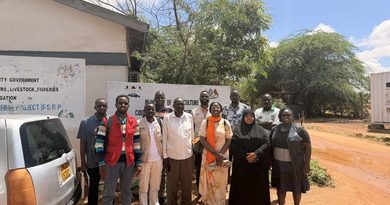
The exercise is being led by Eng. Evance Lusi, with support from the German Government through development financing institution KfW. Technical teams have started visiting proposed project sites to verify their locations, assess ground conditions and establish the requirements for construction.
Among the identified projects is the Kaemase Irrigation Scheme in Lobei/Kotaruk Ward, which is expected to support agricultural production through improved access to water for farming. The proposed Nalet Water Pan in Songot Ward will provide additional water storage, while the Nakoret Livestock Market in Kerio Delta Ward is intended to strengthen livestock-related economic activities.
The 11 proposed boreholes will be distributed across the seven wards, increasing the availability of groundwater for communities whose livelihoods depend heavily on reliable water supplies for domestic use and livestock.
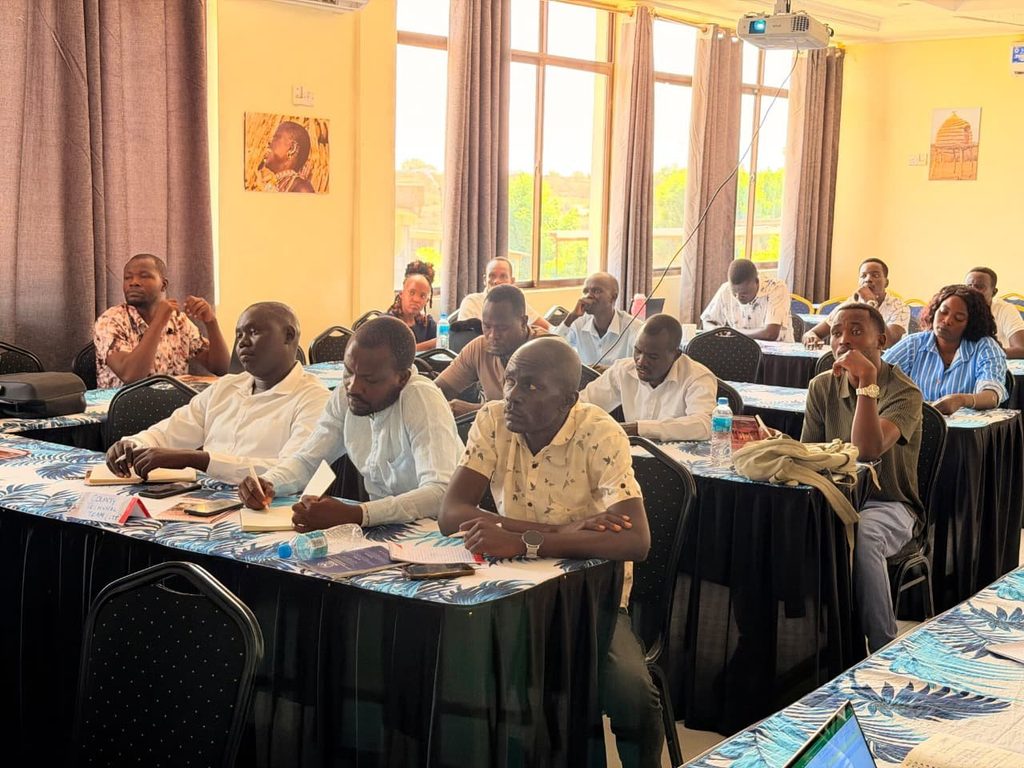
The design process will involve several technical and community assessments before construction can begin. These include hydrogeological and hydrological studies to establish groundwater availability and surface water conditions, as well as topographical surveys to determine the suitability of the proposed sites.
Environmental and Social Impact Assessments will also be undertaken to identify potential environmental risks and the effects of the projects on surrounding communities. Public consultations and socio-economic surveys will form part of the process, allowing residents to contribute to decisions concerning the proposed infrastructure.
The technical teams will subsequently prepare detailed engineering designs, technical specifications and tender documents. The assessments will also support applications for the necessary environmental approvals from the National Environment Management Authority (NEMA).
The projects come as Turkana continues to face challenges associated with water scarcity, prolonged drought and limited access to infrastructure supporting agricultural and livestock production. Many communities depend on boreholes, seasonal rivers, water pans and other local water sources, making water storage and groundwater development important components of the county’s drought preparedness.
Turkana’s development plans have increasingly prioritised investments in water infrastructure to reduce the distance residents travel in search of water and improve access for households, livestock and agricultural activities.
The county’s development records show that household access to clean and portable water increased from 28 per cent in 2018 to 62 per cent during the period covered by its 2023–2027 development plan. This improvement was associated with investments in 1,449 boreholes, 166 water pans, 32 rock catchments and 15 subsurface dams, alongside expansion of piped water systems.
Despite these investments, the need for additional infrastructure remains significant, particularly in remote pastoral communities where water availability directly affects livestock production, household livelihoods and food security.
The wider DRPNK programme is being implemented in Turkana and Marsabit counties through cooperation between the Kenyan and German governments. Its objective is to strengthen the ability of pastoral and agro-pastoral communities to withstand drought and adapt to climate-related challenges through investments in water infrastructure, livestock development and natural resource management.
The programme is projected to directly benefit approximately 255,000 people, rehabilitate 5,000 acres of rangeland and support the creation of 10,000 direct and indirect jobs.
Its financing has also been expanded through additional support from Germany’s KfW Development Bank, with a further €9 million secured to strengthen drought resilience interventions in northern Kenya. The additional resources are expected to support water harvesting, storage, irrigation and other livelihood investments in the beneficiary counties.
Turkana’s project pipeline also reflects the scale of ongoing investment. The county’s DRPNK project monitoring dashboard lists 38 projects with a combined budget of approximately KSh880 million, covering water supply, boreholes, irrigation schemes, livestock markets and related infrastructure. The dashboard records projects at different stages, including completed, ongoing and yet-to-start interventions.
The proposed 14 projects under AIP 3 therefore add to a broader programme of investments intended to address water shortages and improve economic activities in the county.
For Turkana, the value of the new interventions will extend beyond increasing the number of water points. Reliable water supplies can support livestock survival, enable farmers to cultivate land throughout more of the year and create opportunities for communities to diversify their sources of income.
The proposed irrigation scheme could also strengthen local food production by reducing dependence on rainfall, while the livestock market is expected to improve the infrastructure supporting pastoral trade.
However, the long-term benefits will depend on the quality of the technical designs, sustainable management of water resources, proper maintenance of infrastructure and the involvement of local communities in project management.
The ongoing feasibility studies and engineering assessments are therefore an important step towards ensuring that the proposed investments respond to Turkana’s water needs and contribute to more resilient livelihoods.