Kenya steps up water storage and flood control
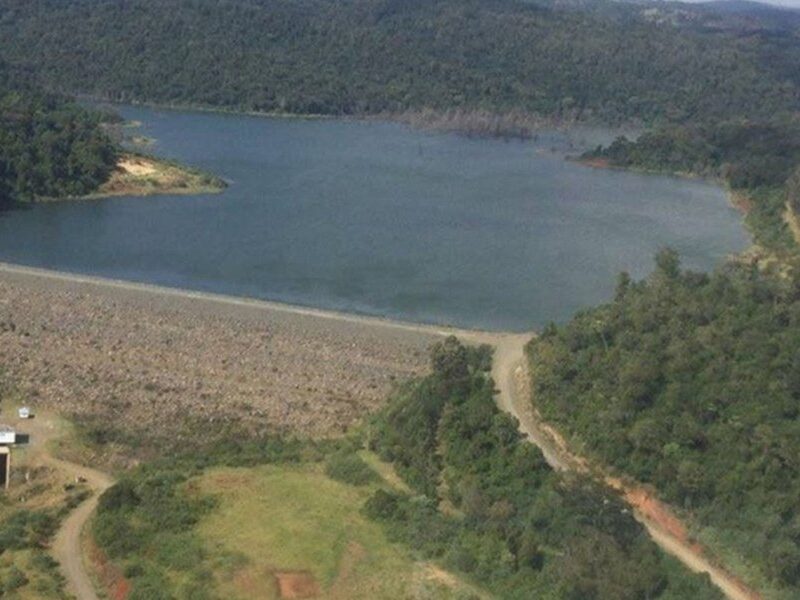
Kenya is increasingly turning to water harvesting, storage infrastructure and flood control measures to address the growing pressure of droughts, seasonal flooding and unreliable rainfall, as climate change continues to affect water availability and agricultural production.
The National Water Harvesting and Storage Authority (NWHSA) is expanding its focus on dams, water pans and other public water infrastructure to improve the country’s capacity to capture excess rainfall and retain it for use during dry periods.
The strategy combines water conservation with flood management, recognising that Kenya faces two related challenges: prolonged water shortages in some regions and destructive flooding in others. Storing water during rainy seasons can help communities maintain supplies for domestic consumption, livestock and irrigation, while flood protection infrastructure can reduce damage to settlements and agricultural land.
Under Section 30 of the Water Act 2016, the Authority is mandated to develop, maintain and manage national public water works for water resources storage and flood control. Its responsibilities include large and medium-sized dams, smaller dams, water pans, boreholes and flood mitigation infrastructure.
One of the major interventions involves constructing and rehabilitating dams and water pans, particularly in arid and semi-arid counties where rainfall is irregular. These facilities collect surface runoff during rainy seasons and provide reserves that can support livestock, household consumption and small-scale irrigation when rainfall declines.
The National Irrigation Authority has also been rehabilitating community water pans and small dams to restore their storage capacity. By May 2024, the agency reported that 508 existing communal water pans and small dams had been rehabilitated, creating potential to support irrigation across approximately 25,000 acres of land and benefit about 20,000 households.
Flood management is another major component of the country’s water security strategy. In western Kenya, communities living around River Nyando have experienced recurring floods that destroy crops, damage infrastructure and displace households. The NWHSA has undertaken interventions involving dyke construction, strengthening of existing flood embankments, riverbank stabilisation and drainage improvements to reduce the impact of overflowing rivers.
Other targeted flood control areas include River Nzoia in Budalang’i, River Kuja, Awach-Tende, Sabwani and Perkerra. These interventions are intended to protect settlements and agricultural land while improving the management of river flows.
The importance of these investments is also reflected in government development priorities. The 2025 budget allocated approximately KSh2.17 billion to the water storage and flood control programme, supporting projects including Soin-Koru Dam, Siyoi-Muruny, Umaa Dam and flood control works.
Beyond large infrastructure, water harvesting offers opportunities for farmers to reduce their dependence on unreliable rainfall. Stored water can support supplementary irrigation, allowing farmers to maintain crop production during dry spells and potentially improve household food supplies.
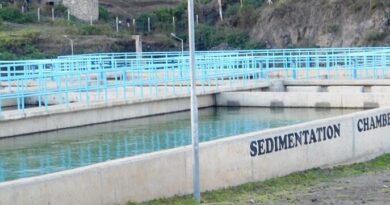
However, the effectiveness of these interventions depends on proper maintenance, catchment protection, adequate financing and coordination between national and county governments. Sedimentation can reduce the capacity of water pans and dams, while poorly maintained flood protection structures may expose communities to renewed risks.
Kenya’s approach therefore requires more than constructing additional storage facilities. Protecting river catchments, maintaining existing infrastructure and integrating water harvesting with agricultural planning will be essential to ensuring that rainfall becomes a dependable resource rather than a recurring source of both scarcity and destruction.