Mandera targets irrigation growth through new water programme
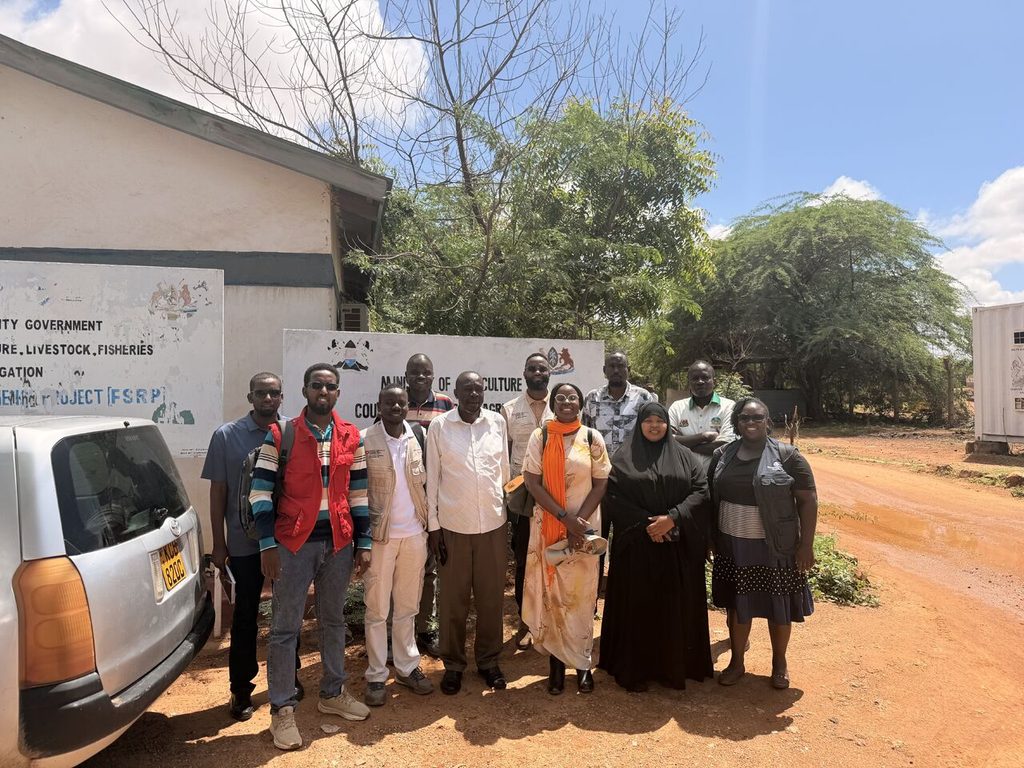
Mandera County is stepping up efforts to expand water access and agricultural production through a new development programme targeting borehole rehabilitation, solar-powered irrigation and farmer training along the Dawa River.
The county has joined the Resilient Arid Lands Partnership for Integrated Development Plus (RAPID+) programme, which seeks to improve water availability and strengthen climate-resilient livelihoods in arid and semi-arid regions.
The initiative is expected to support communities in Mandera by improving access to reliable water supplies while creating opportunities for farmers to shift towards more productive and commercially oriented agriculture.
Save the Children Kenya and Madagascar will lead implementation in the county, with funding from the Swiss Agency for Development and Cooperation. The Millennium Water Alliance coordinates the wider programme.
Mandera’s location along the Dawa River, which forms part of the Kenya-Ethiopia border, provides opportunities for agricultural development if water resources can be harnessed and managed sustainably. Reliable irrigation could help farmers reduce dependence on unpredictable rainfall and support more consistent agricultural production.
Initial interventions will include rehabilitating existing boreholes, training 40 farmers and introducing portable solar-powered irrigation pumps to support agricultural activities.
The programme builds on existing agricultural activities in the county, where irrigation along the Dawa River has supported crop production despite the challenges posed by unreliable rainfall. Mandera has previously invested in irrigation canals, water-harvesting structures and riverbank protection to improve farming conditions.
County government records indicate that approximately 7.1 kilometres of irrigation canals had been constructed or rehabilitated across six irrigation schemes, while 2,145 acres of farmland had been opened up for cultivation. These investments have supported the production of maize, vegetables and fruits, creating opportunities for farmers to earn income from agriculture.
However, water availability remains a major constraint to expanding agricultural production. Mandera relies on several sources, including boreholes, shallow wells, water pans, dams and the Dawa River. The dependence on seasonal water sources exposes communities to fluctuations in rainfall, prolonged dry spells and drought.
The National Drought Management Authority’s April 2025 assessment showed that water pans and dams accounted for 31 per cent of the county’s water sources, while shallow wells contributed 26 per cent, rivers 22 per cent and boreholes 21 per cent. The figures highlight the importance of diversifying water supplies and improving the reliability of existing infrastructure.
Solar-powered irrigation could help address some of these challenges by reducing dependence on conventional energy sources used to pump water. Portable pumps could also provide farmers with more flexible irrigation options, particularly for small-scale agricultural enterprises.
The programme comes as Kenya continues to explore ways of expanding irrigation in arid and semi-arid counties to reduce dependence on rain-fed agriculture and strengthen national food production.
The Dawa River also has wider regional significance, supporting livelihoods and economic activities across the Kenya-Ethiopia-Somalia border region. Its development presents opportunities for expanded irrigation, water storage and cross-border economic cooperation.
Through the new partnership, Mandera is expected to strengthen the link between water infrastructure and agricultural production, with borehole rehabilitation, farmer training and solar-powered pumping forming the initial interventions.
The success of the initiative will depend on the sustainability of water sources, maintenance of irrigation equipment and the ability of farmers to turn improved water access into reliable agricultural production and income.