Kenya seeks innovative financing to strengthen water and sanitation infrastructure
Kenya is seeking new investment models to finance water infrastructure and improve the management of its water resources as demand for reliable supplies continues to grow across the country.
Stakeholders in the investment and development sectors have called for stronger policy and regulatory frameworks, effective governance structures and a stable foreign exchange environment to attract long-term capital into critical sectors, including water and sanitation.
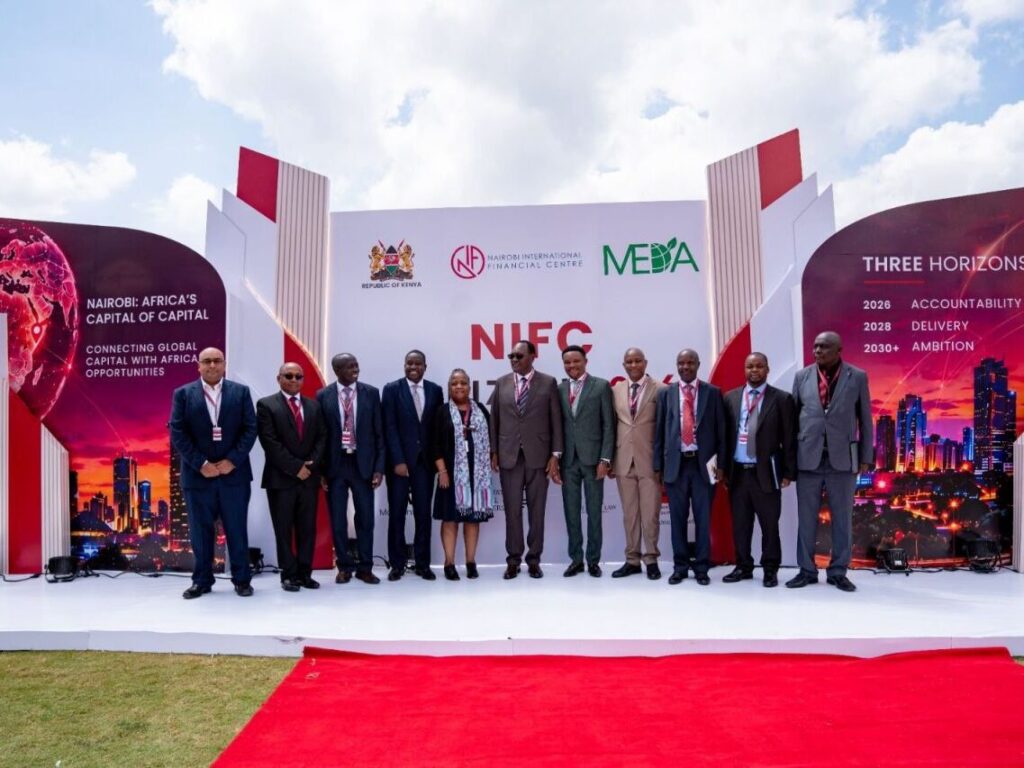
The discussions emerged during a stakeholder forum convened by NIFC Africa in partnership with Mennonite Economic Development Associates (MEDA), the Collaborative for Fund Domiciliation in Africa and the Mastercard Foundation Africa Growth Fund.
The meeting brought together representatives from government, development finance institutions, fund managers and impact investment organisations to explore ways of strengthening Kenya’s investment environment and expanding financing opportunities for development projects.
A key concern raised during the engagement was the need for Kenya to diversify its sources of infrastructure financing instead of relying heavily on foreign direct investment and development assistance.
Stakeholders identified domestic financing instruments, including corporate bonds, pension funds and other institutional investment vehicles, as potential sources of long-term capital that could support infrastructure development.
For the water sector, such financing options could help bridge investment gaps affecting the construction and expansion of dams, water treatment plants, transmission pipelines, storage facilities and sanitation infrastructure.
The development of water infrastructure requires substantial financial resources, particularly as population growth, urbanisation and economic expansion increase pressure on existing supplies. Beyond constructing new facilities, water institutions also need funding to maintain infrastructure, protect catchment areas and improve the efficiency of water distribution systems.
The financing challenge also extends to wastewater management, where inadequate treatment capacity and limited sewerage coverage continue to affect water quality in rivers and other water sources.
Investments in wastewater treatment plants, sewer networks and recycling technologies could help reduce pollution while allowing more water to be recovered for appropriate uses, including irrigation and industrial activities.
The Kenya Innovative Finance Facility for Water (KIFFWA) participated in the forum through representatives Gaylina Mayieko and FA Basil Wambugu, who brought perspectives from the impact investment sector.
The WASH sector, which covers water, sanitation and hygiene, remains an important part of economic development because of its contribution to public health, productivity, climate resilience and environmental protection.
However, attracting investment into the sector requires more than identifying projects that need funding. Stakeholders emphasised the importance of creating an enabling environment through predictable policies, strong institutions, transparent governance and financing structures that can attract investors while delivering measurable social benefits.
For water utilities and infrastructure agencies, improved access to financing could support the expansion of services to underserved communities and strengthen the management of available water resources.
It could also create opportunities for investment in water harvesting, groundwater development, catchment conservation and storage infrastructure, particularly in areas vulnerable to drought and changing rainfall patterns.
The proposed use of domestic capital is particularly significant because pension funds and other institutional investors can provide longer-term financing that matches the extended development and operational periods associated with major water infrastructure projects.
However, projects seeking such investment must demonstrate financial viability, clear implementation plans and effective management structures capable of sustaining operations after construction.
The discussions highlighted the need for stronger collaboration between government institutions, financial organisations, development partners and private investors to turn investment opportunities into bankable projects.
As Kenya continues to pursue its water security and sanitation objectives, diversifying financing sources could help mobilise the capital required to expand infrastructure, improve water services and protect water resources.
The challenge will be translating these investment proposals into practical financing arrangements that support sustainable infrastructure development while ensuring that communities can access reliable and affordable water services.