TARDA steps up River Athi pollution monitoring as water quality concerns grow
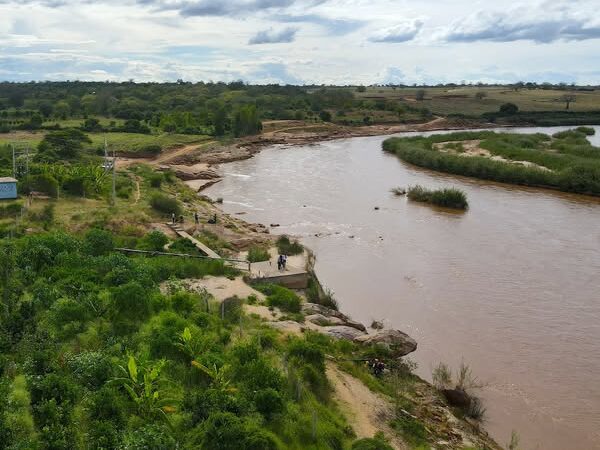
The Tana and Athi Rivers Development Authority (TARDA) has intensified water-quality monitoring across the Athi River Basin as concerns grow over pollution from industrial discharge, domestic waste and degradation of riverbanks.
The exercise seeks to establish the extent of pollution affecting River Athi and its tributaries, including the Sabaki and Mbagathi rivers, which support communities, ecosystems and various economic activities along the basin.
The monitoring programme covers several water sources, beginning at Ondiri Swamp and extending through the Nairobi River system, Machakos, Makueni, Tsavo, Galana and Sabaki. The wide geographical coverage is intended to provide a clearer understanding of how pollution moves through the interconnected river system and affects water quality downstream.
During the exercise, water samples are being collected for laboratory assessment of physical, chemical and biological parameters. These include E. coli, total coliforms, phosphates and heavy metals, which can help establish the presence of harmful contaminants and assess the suitability of water for different uses.
The assessment is expected to provide scientific information on the condition of the rivers, identify pollution hotspots and guide interventions aimed at improving water quality across the basin.
TARDA Managing Director Liban Roba Duba said the findings would provide an important basis for determining areas requiring urgent attention and developing targeted pollution-control measures.
He emphasised the need for consistent water-quality assessments, particularly in areas experiencing rapid urbanisation and industrial expansion, where increased human activity can place additional pressure on water resources.
The monitoring exercise comes amid growing concerns over the impact of untreated industrial effluent, domestic wastewater and poor waste disposal practices on rivers and their surrounding ecosystems. Encroachment along riparian areas has also contributed to the degradation of river environments, increasing the vulnerability of water sources to pollution.
Industrial discharge and untreated sewage can introduce harmful substances and disease-causing microorganisms into rivers, threatening aquatic life and exposing downstream communities to health risks where contaminated water is used without adequate treatment.
The situation is particularly concerning in the Athi River Basin because pollution originating in upstream settlements and industrial centres can travel downstream, affecting other communities and water users far beyond the original discharge points.
TARDA is therefore adopting a basin-wide monitoring approach rather than concentrating on isolated sections of the river. The strategy is intended to improve the understanding of pollution patterns, strengthen early identification of emerging threats and support coordinated catchment protection measures.
Regular monitoring is also expected to help establish changes in water quality across different seasons. This is important during rainy periods when surface runoff can carry waste, sediments, agricultural chemicals and other pollutants from settlements, farms and industrial areas into rivers.
The findings could help relevant authorities prioritise pollution-control activities, strengthen environmental protection measures and identify areas where additional interventions are required.
Protecting the Athi River system also requires cooperation among government agencies, industries, county administrations, communities and other stakeholders whose activities affect water resources.
Industries need to ensure that wastewater is properly treated before discharge, while communities and local authorities have a role in improving waste management and protecting riparian zones. Effective enforcement of environmental regulations will also be necessary to prevent further degradation of the river system.
The monitoring programme highlights the importance of reliable water-quality information in managing shared water resources and protecting the communities and ecosystems that depend on them.
As pressure on rivers increases from urban growth, industrialisation and changing weather patterns, sustained monitoring and coordinated interventions will be essential in securing the long-term health of the Athi River Basin.